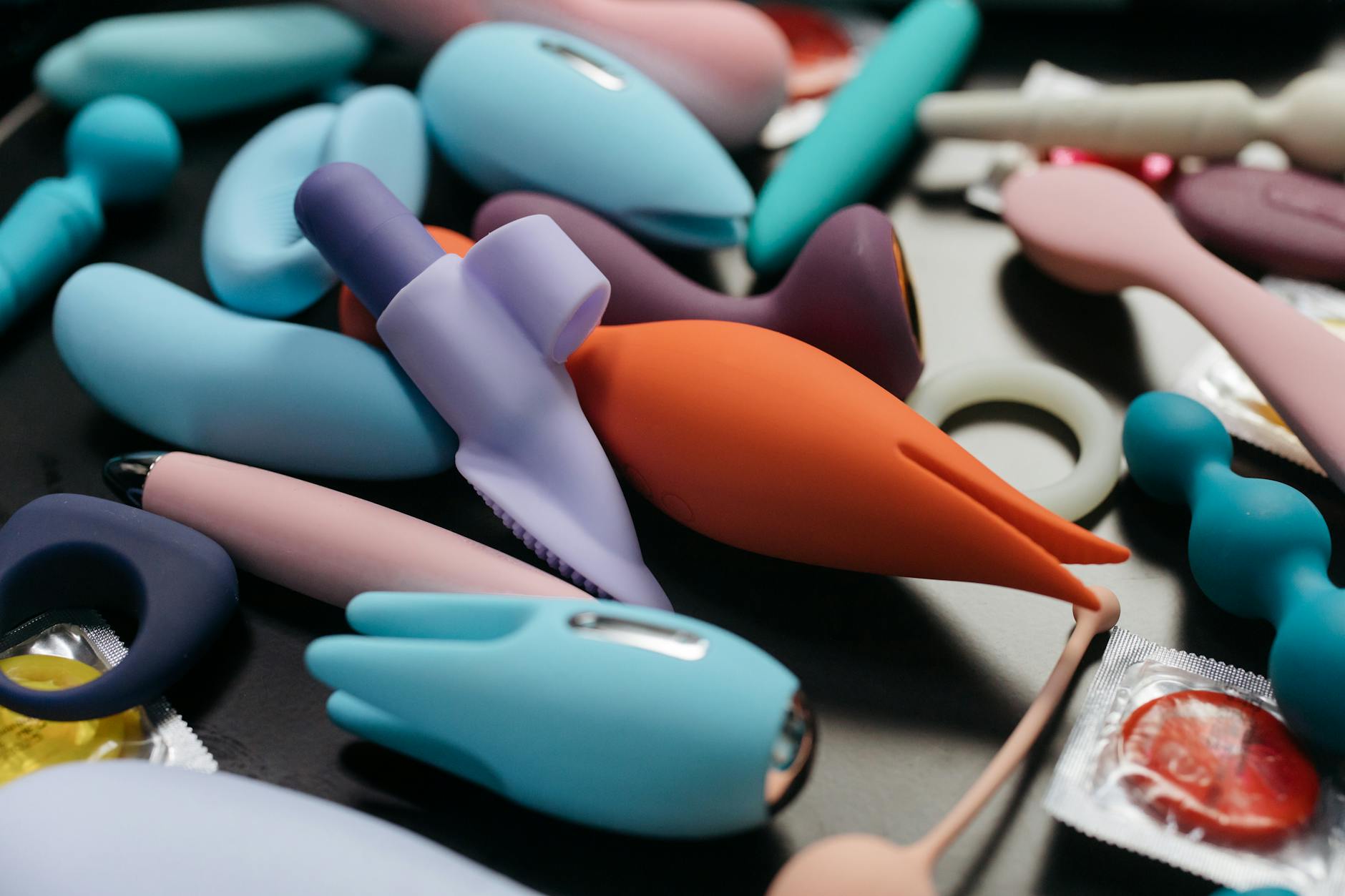
The thing nobody talks about is how libido just stops sometimes
Let's be real. You wake up one day and realize you haven't wanted sex in months. Not months like "we've been busy." Months like the thought of it produces nothing inside you. No flutter. No curiosity. Just static.
Your partner touches you and your body doesn't recognize the signal. Your own fantasies feel boring, like rewatching a show you never liked. You start wondering if you're broken.
You're not. This is one of the most common intimacy crises I see in my practice, and almost nobody addresses it directly because the conversation feels too big. It sits under everything else in the relationship until it becomes the whole room.
Why desire actually disappears (and it's rarely what you think)
When libido flatlines, people assume the problem lives in one of three places: hormones, health, or the relationship itself. Sometimes it does. But here's what I've learned: desire doesn't vanish because of one broken thing. It vanishes because the nervous system has learned that pleasure isn't available right now.
This happens through accumulated friction, not one big injury. A partner who makes sex feel rushed. Years of orgasms that didn't quite work. Anxiety about how your body looks. Stress that never fully releases. The nervous system gets smart. It learns that opening up is inefficient. So it doesn't.
What you're experiencing isn't dead desire. It's protective numbness. Your body is being efficient in the way it knows how.
How lemon vibrators interrupt the numbness cycle
This is where the mechanics matter in a specific way. A lemon vibrator, particularly one that uses suction rather than pure vibration, works because it speaks a different language to your nervous system than penetrative sex or a partner's hand does.
Here's why: suction stimulation activates the clitoral nerve endings without the psychological weight that often comes with partnered sex. There's no performance element. No body consciousness. No timing that depends on someone else's rhythm. It's just sensation, isolated and clean.
When you're in desire recovery, this isolation is the whole point. Your nervous system doesn't have to negotiate between pleasure and anxiety. It gets to focus on sensation alone. Many people find that using a lemon clitoral vibrator restarts the arousal response in weeks when nothing else has worked in years.
The specific pattern that works when nothing else does
I recommend this sequence to nearly every client who's experienced desire collapse:
Week one: sensation only. Use a lemon vibrator on low settings, five to ten minutes, with zero expectation of orgasm. The goal is to remind your body what stimulation feels like. Most people in desire recovery haven't let themselves simply feel in years. This is about permission, not performance.
Week two to three: add anticipation. Build a small ritual. Light something, change the room, set a phone timer for fifteen minutes. Your nervous system responds to predictability. When your body knows "this is the time pleasure is available," it starts to prepare for it.
Week three to four: experiment with settings. Lemon vibrators offer multiple intensity levels. Try different patterns. Spend time learning what your body responds to now, at this age, with this history. Desire doesn't return looking exactly like it did before. It often feels deeper because you've earned it back.
Month two onward: introduce partnership intentionally. Once you can access pleasure alone, you can begin inviting a partner back in. This looks like sharing what you've learned. "This setting works for me. I want twenty minutes. I want you here but not touching me initially." Specificity is desire language.
Why watching someone else's pleasure can restart yours
This one surprises people, but it's neurologically sound. When desire is flatlined, sometimes the fastest reset is visual. You sit beside a partner while they use a lemon sucker vibrator. You're not performing. You're observing.
Your brain gets to engage with pleasure as a concept again. No pressure on your body. No expectation of reciprocation. Just the memory that people you love can feel good, and that feeling good is possible in your shared space.
Many couples I work with find that this single session restarts something that months of conventional sex couldn't touch. It rewires the association between intimacy and ease.
The emotional reset that happens alongside the physical one
Here's what people don't expect: when your body starts responding again to a lemon clitoral vibrator, your emotional relationship to pleasure shifts too. You stop seeing sex as something you should want and start experiencing it as something you actually do want.
This distinction matters more than it sounds. Shame evaporates. Obligation dissolves. You're not trying to want it anymore. You're wanting it.
With that shift comes a subtle but real change in how you show up with a partner. You're more present because you're not performing. You're more generous because you're not depleted. You're more honest because the stakes feel smaller again.
I've watched couples come back from desire death because one partner committed to this process. Not because the relationship suddenly became perfect. But because pleasure became possible again, and pleasure is connective tissue in ways that almost nothing else is.
The timeline that actually matches reality
Let me be direct: this takes longer than you want it to. Most people expect four weeks. It usually takes eight to twelve weeks before desire feels truly rekindled, not just mechanically responsive.
But here's what's interesting: people usually start noticing shifts much earlier. Week two or three, they mention that the anticipation of using the lemon vibrator feels different. Lighter. Week four, they notice they're thinking about pleasure at random moments again. Week six, they're touching themselves between sessions, which almost never happens in desire recovery without intervention.
By week eight or ten, most people tell me that sex with a partner has transformed not because the partner changed, but because the nervous system has learned that pleasure is safe again.
What to tell a partner if you're doing this alone
If you're recovering desire while partnered, the conversation matters as much as the tool. Honesty isn't optional here.
Try: "My body has learned that pleasure isn't really available right now. I'm going to spend some time with a lemon vibrator to remind myself what sensation feels like. This isn't about you not being enough. It's about me needing to reset my nervous system. Would you be willing to give me some protected time for this?"
A partner worth keeping will understand that this is investment in shared pleasure, not an escape from it.
When to bring in other support
If desire doesn't begin shifting after twelve weeks of consistent practice, or if the flatness includes persistent numbness in other areas of life (mood, energy, motivation), talk to a doctor. Desire collapse can signal depression, thyroid dysfunction, medication side effects, or hormonal change. A lemon vibrator can't address all of it alone.
But in cases where desire has simply learned to hide because pleasure hasn't felt safe, a good lemon clitoral vibrator often does what therapy, communication, and will alone cannot: it gives your body permission to feel good again.
FAQ
Can a lemon vibrator actually fix desire if my relationship isn't healthy?
No. If the relationship itself is the problem, a vibrator is a bandage. But most desire collapse doesn't happen because relationships are broken. It happens because bodies become cautious. If your relationship has basic safety and care, a lemon vibrator can absolutely restart sensation. If your relationship consistently feels dangerous, hostile, or disrespectful, start there first.
How is a lemon suction vibrator different from a regular vibrator when you're dealing with low desire?
Suction doesn't require the same direct pressure as traditional vibrators, so it can feel less intense and more manageable when you're nervous. It also creates a different sensory experience. Many people who thought they were done with pleasure respond to suction when regular vibration has stopped working. The novelty itself can restart interest.
Should I use a lemon vibrator alone or with a partner during desire recovery?
Alone first. Always. You need to establish a relationship with your own pleasure before inviting someone else into it. Once you can access arousal independently, partnership becomes easier and more genuine. The skills transfer.
What if using a vibrator makes me feel worse about my low desire?
This is worth examining. Sometimes discomfort with toys connects to shame or anxiety about pleasure itself. Consider talking to a therapist before pushing forward. That said, many people who feel initially uncomfortable find that their resistance softens after the second or third use, once the novelty wears off and sensation becomes the focus.
How do I introduce this to my partner without making it weird?
Don't make it a proposition. Make it a conversation. "I've been noticing my desire has flatlined, and I want to address it. I'm going to try using a vibrator regularly to remind my body what pleasure feels like. I wanted to tell you directly rather than have you wonder what's happening." Then actually do it. Transparency before the fact prevents suspicion.
Can lemon vibrators help if my low desire is connected to medication side effects?
They can help you continue experiencing pleasure while you're on the medication, but they won't solve the underlying issue. If you suspect medications are affecting desire, talk to your prescriber about alternatives or dosage adjustments. A lemon vibrator can work alongside that conversation, not instead of it.
The truth about desire returning
Libido doesn't come back like a switch. It comes back like a memory you didn't know you'd forgotten. First as a whisper, then as something you can actually feel. A lemon clitoral vibrator often becomes the first reliable way to hear that whisper again after months of silence.
The recovery is possible. Your body hasn't forgotten how to want. It's just been protecting itself. And protection, when it's served its purpose, can be gently released. That's what these tools do. They don't fix desire. They create the conditions where desire feels safe enough to return.