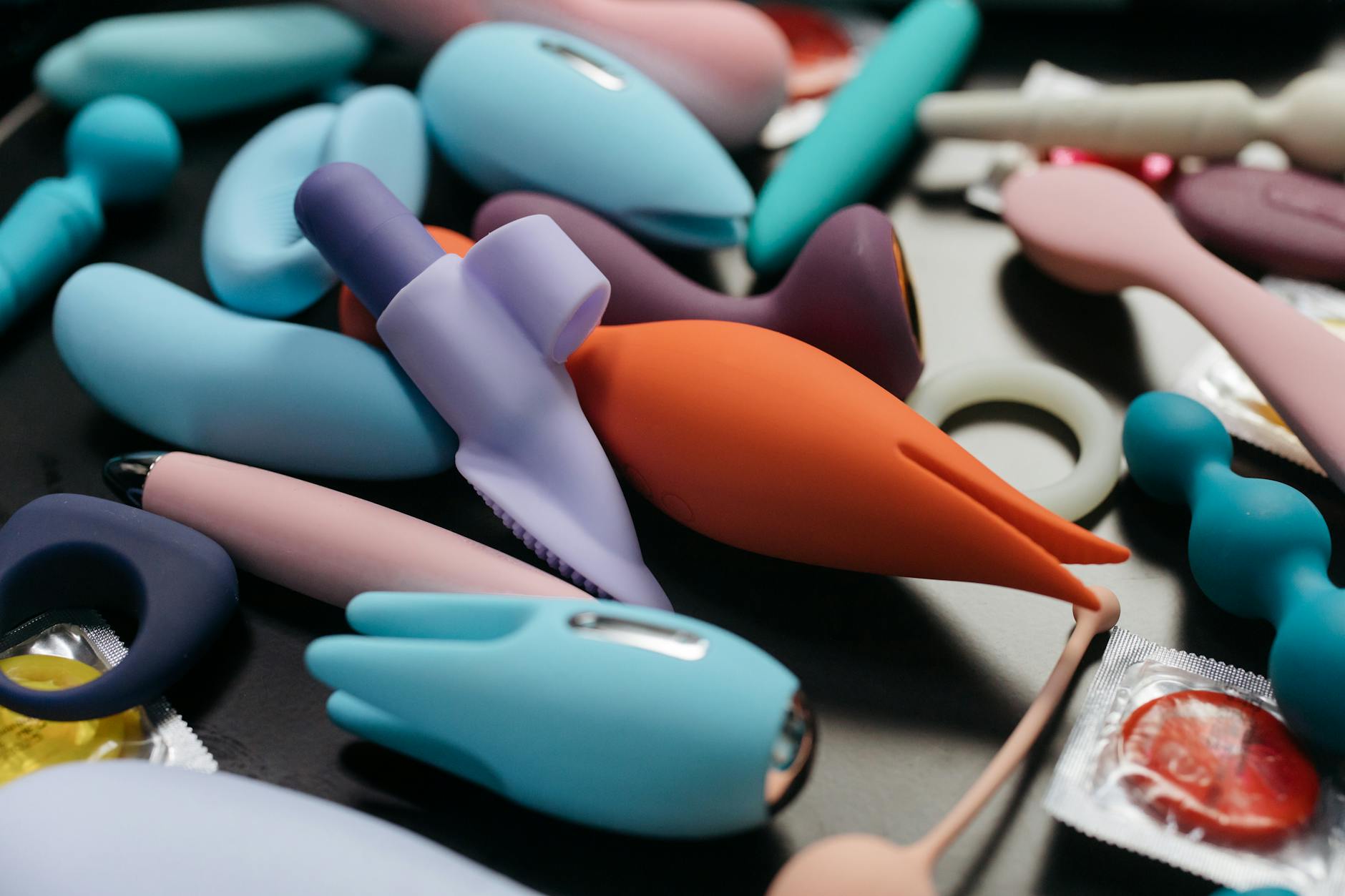
Let's start with what grief actually does to your body
Grief isn't just an emotional state. It's a full-body state that literally rewires how your nervous system prioritizes arousal. When you're processing loss, your brain redirects energy toward survival and emotional regulation. Pleasure gets categorized as a luxury your system can't afford right now. That's not a personal failing. That's biology protecting you.
What makes it confusing is that the loss of desire often mirrors hormonal issues or relationship problems, so people blame themselves for something that's actually a normal grief response. Your arousal hasn't disappeared. It's hibernating.
Why arousal takes longer after loss
Three neurological things happen when you're grieving.
First, your vagus nerve (the major highway between your brain and body) shifts into a protective mode. This nerve normally helps you feel pleasure and relaxation. During grief, it narrows its job to keep you emotionally stable. Arousal requires a certain kind of nervous system openness that grief actively suppresses.
Second, your brain floods with cortisol and adrenaline as part of the trauma response. These stress hormones literally compete with the neurochemicals that trigger desire. Your body is in fight-or-flight mode, not rest-and-pleasure mode. You can't force those two to overlap by willpower alone.
Third, grief creates what I call "emotional weight." Even when your partner is present, your attention is fractured. You're partly here, partly somewhere else. That divided attention kills arousal faster than anything else. Pleasure requires presence, and grief pulls you inward.
The physical differences after loss
When arousal does start to return, it often feels mechanically different. Some people describe sensation as muted or distant. Others find that their usual patterns don't trigger the same response. You might need more time to warm up. Your body might not respond as quickly to touch.
This isn't permanent. It's your nervous system recalibrating. But it means the shortcuts that used to work don't work anymore. Foreplay that took five minutes now takes twenty. That's not frustrating if you stop expecting instant arousal. It's just your new baseline while you're in grief.
Here's the useful part: lemon clitoral vibrators bypass a lot of that slow buildup. They don't require your body to generate arousal on its own. Instead, they introduce a stimulus that your nervous system can actually respond to even when you're feeling emotionally flat. The suction mechanism works differently than vibration. It stimulates nerve endings directly without requiring the cascade of hormones that normal arousal depends on.
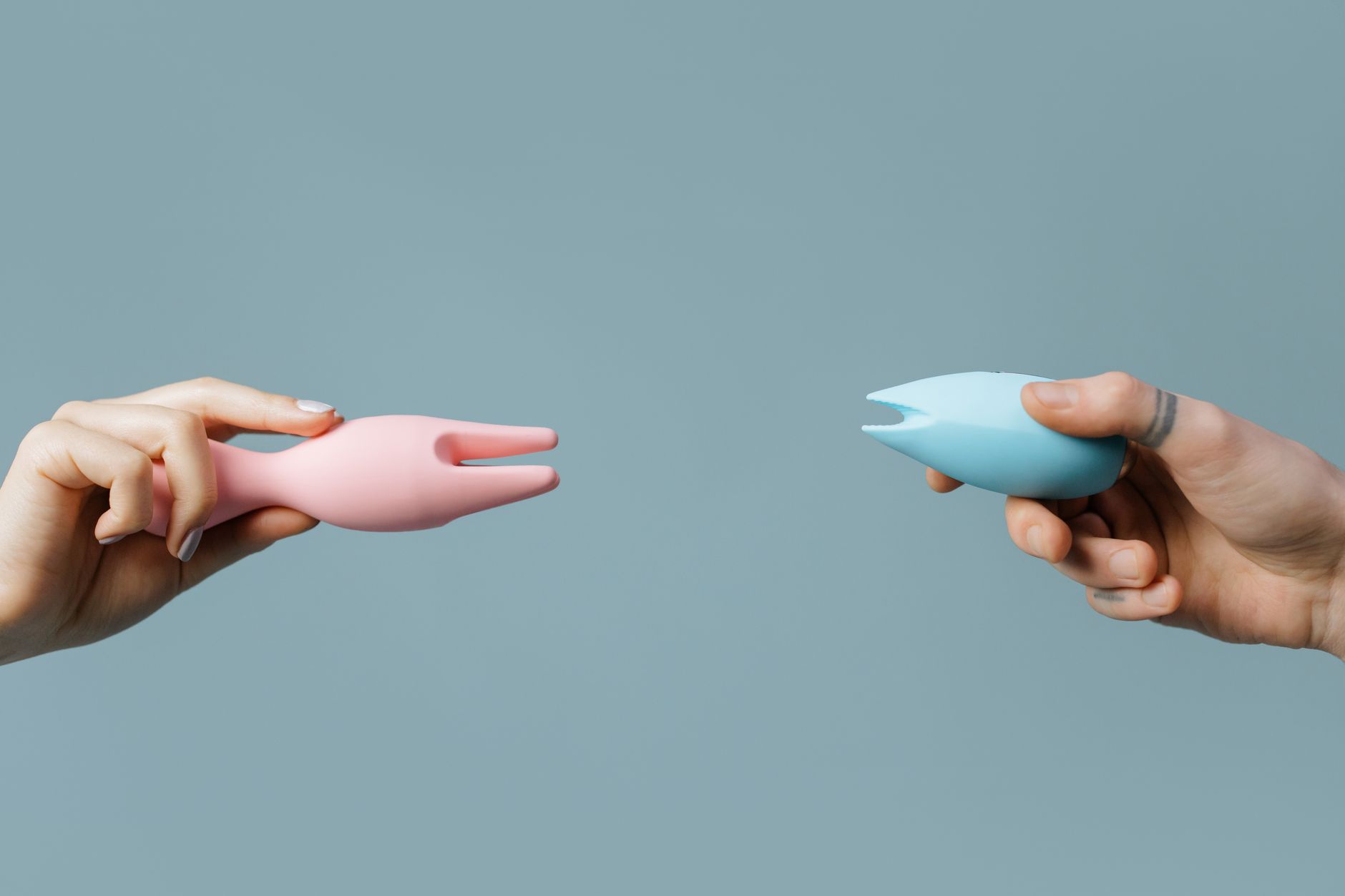
Photo by cottonbro studio on Pexels
Why pressure makes everything worse
One of the cruelest parts of grief is the guilt that often follows it. You feel like you should be able to have sex, that your partner deserves physical intimacy, that something is wrong with you. That guilt creates more pressure. Pressure kills what little arousal is left.
I work with couples regularly where one partner is grieving and the other is trying to be supportive but silently frustrated. The grieving partner feels that frustration (even when it's not spoken), and the nervous system slams shut even harder. It becomes a loop: grief dampens desire, which creates guilt and pressure, which dampens desire further.
Lemon vibrators help break that loop because they remove the performance aspect. Solo exploration with a toy doesn't carry the weight of "I need to do this for my partner." It's purely about your own nervous system finding its way back. And often, rediscovering pleasure alone makes it easier to eventually invite a partner back in.
How to introduce a lemon vibrator into grief
Start small. You're not trying to have a earth-shattering orgasm. You're trying to wake up sensation in a body that's gone quiet.
Pick a time when you're alone and when there's zero expectation of anything else happening that day. Not when you're about to shower or between other tasks. Give yourself at least thirty minutes with no agenda.
Start at the lowest setting. Spend five minutes just feeling the sensation without trying to build to anything. This might feel weird or disconnected at first. That's normal. Your nervous system is relearning that it's safe to feel pleasure.
The reason lemon clitoral vibrators work so well here is the suction sensation itself. It feels distinct from regular vibration, which can help your brain register "this is different, this is safe, this is just for me." The focused intensity also means you don't have to do much. You're not managing a partner's pace or your own performance. The toy handles the work.
Talking to your partner about this
If you're in a relationship, you'll eventually need to have this conversation. Here's how to start it without the conversation becoming about the relationship itself.
"I'm grieving, and it's affecting my arousal. I'm not pulling away from you. My body is just protecting itself right now. I'm going to spend some time exploring solo pleasure because I think it'll help me come back to us more fully. I need you to know this has nothing to do with how I feel about you."
That boundary does two things. It protects you from pressure, and it reassures your partner that you're not losing attraction to them. Many partners of grieving people need that reassurance. Without it, they internalize the dropped desire as rejection.
Some partners will want to join you eventually. Some will appreciate the space. Both are fine. The key is that you're not pretending arousal has returned before it actually has.
When to check in with a professional
If grief has been your companion for more than six months and you haven't felt even a glimmer of arousal returning, or if the pressure around sex has created real tension in your relationship, talking to a grief-informed therapist is worth it. Sometimes grief gets locked in our bodies and needs a different kind of help to move through.
There's also a real distinction between grief (which is time-based and gradually softens) and depression (which can look like grief but doesn't naturally resolve). If you're also experiencing numbness in other areas, persistent fatigue, or a sense that nothing will ever feel good again, that's more depression territory. A professional can help you sort out which is which and what you need.
The long view
Grief doesn't have a deadline. But arousal usually does eventually return, even if it comes back different than before. Sometimes it comes back better. Some people who experience deep grief say their pleasure feels more intentional afterward, more connected to what actually matters to them.
Lemon vibrators aren't magic. But they're useful during the in-between time when your arousal is slow to build and you need a tool that works with your nervous system rather than asking you to create something your body isn't ready to make yet. They're a way of staying connected to your own pleasure without pressure. And that matters.
People also ask
How long after a major loss do people typically feel arousal returning?
There's no standard timeline, but most people start feeling arousal return within three to six months after a significant loss. The key word is "return." It often comes back gradually, not suddenly. You might notice a small shift in response during one week, then nothing for another month. That inconsistency is normal. Your nervous system is recalibrating in fits and starts. If arousal hasn't returned at all after a year, and you're not dealing with depression, it's worth checking in with a grief specialist or therapist.
Can I use a lemon vibrator if I'm not sure I want to have sex at all right now?
Absolutely. A clitoral vibrator doesn't obligate you to anything. You can explore sensation without being trying to reach an orgasm or any specific outcome. Some people in grief use toys just to feel something other than sadness for fifteen minutes. That's a valid use. There's no rule that pleasure exploration has to lead to sex or even feel sexy. Sometimes it's just about remembering your body can feel good in small ways.
Does grief-related arousal change affect men differently than people with vulvas?
The nervous system response to grief is similar across genders, but the way it shows up physically differs. People with vulvas often experience sensation as muted. People with penises often experience difficulty maintaining erections or reduced sensation. Both are grief responses, not sexual dysfunction. Both respond well to patience and tools (like vibrators) that provide external stimulus rather than relying on internally-generated arousal. The pressure dynamic, though, hits everyone similarly: partners trying to be supportive but secretly frustrated, the grieving person feeling that frustration and shutting down further.
Should I try to have sex with my partner to show them I still love them?
No. I know the impulse is kind, but it backfires every time. Sex performed out of obligation while you're grieving becomes something your nervous system associates with pressure and inauthenticity. It can actually slow down the return of real desire. Your partner probably doesn't want sex like that anyway. What most partners actually want is reassurance that the relationship will come back, that this isn't forever. You can offer that through words and other forms of connection without pushing your body into sex it's not ready for.
Can lemon vibrators help if my partner is grieving and their desire has dropped?
Only if your partner wants to explore solo pleasure. You can't fix someone else's grief response with a toy. But if they're willing to reconnect with their own body, a lemon vibrator (or any good clitoral vibrator) can help them do that in a pressure-free way. If you're the partner who's not grieving and you're struggling with the dropped intimacy, that's real too. Consider individual therapy to process your own feelings so your partner isn't managing both their grief and your frustration about the intimacy shift.
Is it normal to feel guilty about wanting pleasure while grieving?
Yes, and it's one of the most common things I hear. People often feel like pleasure is disloyal to the person or life they've lost. But pleasure and grief aren't opposites. You can hold both. Many people who've processed grief deeply say they eventually understood that reclaiming pleasure was actually honoring the life they lost, not betraying it. Taking care of your own pleasure is part of taking care of yourself while you're in one of life's hardest phases.
Moving forward
Grief rewires your arousal, but it doesn't erase it. When your nervous system is ready to feel pleasure again, tools like lemon clitoral vibrators can help you reconnect without the pressure of partnered sex. That reconnection matters not just for your relationship but for you. Your pleasure is part of your resilience. If you're ready to explore, we're here to help. Reach out at /contact with any questions about finding the right lemon vibrator for where you are right now.