Let's talk about what actually changed
Something shifted around 40. Not your desire, exactly. Not your capacity for pleasure. Your arousal timeline got slower. What used to take five minutes now takes 20. What used to be a natural escalation now feels like you need to hit pause, breathe, and restart. It's frustrating, it feels broken, and I want to tell you straight: it's not.
This is not a personal failure. It's a documented physiological change that happens to most people with vulvas in their forties and beyond. And here's the useful part: once you understand what's happening, clitoral vibrators like the Lemon vibrator become less of a workaround and more of a complete redesign of what pleasure actually feels like for your body right now.
Why arousal gets slower after 40
Three things happen simultaneously. First, blood flow takes longer to concentrate in the genitals. In your twenties, arousal was fast partly because your cardiovascular system responded instantly. At 40 plus, that response is still powerful, just slower. Second, vaginal lubrication production decreases slightly, even if you're not in menopause yet. Your tissues are still responsive, but the self-lubrication pathway is less automated. Third, your nervous system's arousal sensitivity shifts. You still have all the nerve endings, but the threshold for activation changes. You need sustained, consistent stimulation rather than quick escalation.
The brain piece matters too. At 40, you're less likely to be living in a perpetual state of low-grade anticipation. You're juggling work stress, family logistics, maybe relationship shifts. Your brain doesn't warm up the arousal system as early in the day as it once did. You have to ask for what you need instead of assuming it will happen automatically.
None of this means you're less sexual. It means your arousal has become a more conscious process.
What Lemon vibrators do differently for slower arousal
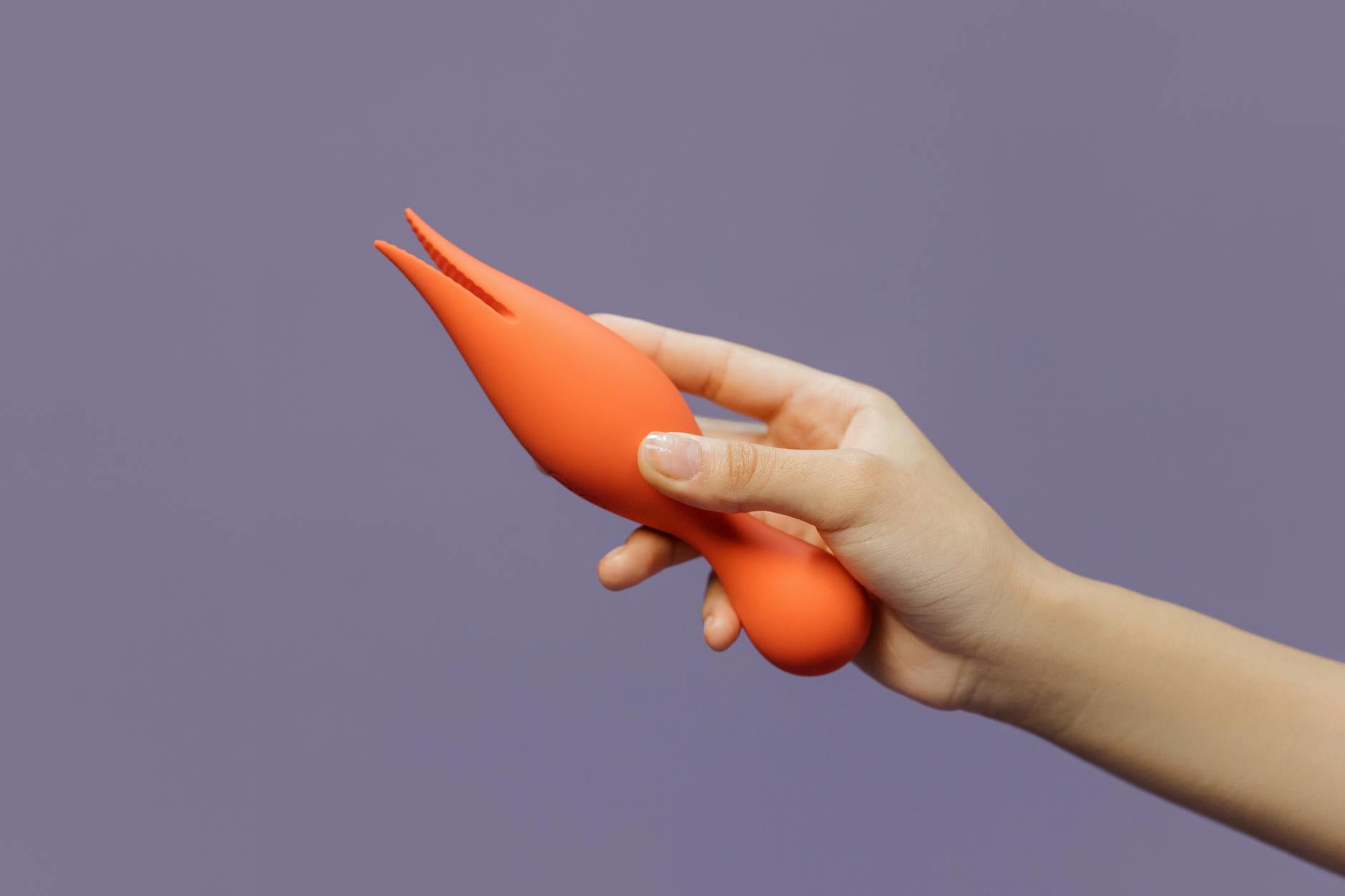
Here's where clitoral vibrators change the game. The Lemon vibrator uses gentle air-suction stimulation rather than traditional vibration. This matters because your tissues respond better to consistent, layered sensation than to high-frequency buzzing. Air-suction creates a gentle seal around the clitoris and stimulates the surrounding tissue without requiring you to already be at a certain baseline of arousal to feel good.
Translation: you don't have to wait for arousal to build to a certain threshold before a clitoral vibrator feels effective. With the Lemon, you can start at low intensity and the sensation itself helps pull your nervous system into arousal, rather than waiting for your nervous system to pull the sensation into focus.
This is the exact opposite of what most people expect vibrators to do. They think they need to be already turned on for a vibrator to work. Wrong. A good lemon sucker or clitoral vibrator like the Lem can be the catalyst that starts the process. Which is exactly what you need when arousal takes longer to build.
The rhythm reset
Most people in their forties are still operating on a model of foreplay that worked in their twenties: escalate quickly, stay high, finish. When arousal slows down, that model collapses. You can either feel frustrated that it's not working anymore, or you can redesign your understanding of what pleasure looks like now.
With a Lemon clitoral vibrator, you get to extend the pleasure phase. Instead of a 5-minute warm-up followed by 15 minutes of sex, you have 20 minutes of varied, layered stimulation. The pattern becomes: gentle exploration, building sensation, sustained pleasure, then orgasm. Or multiple orgasms, because sustained clitoral stimulation after 40 often leads to sequential or blended responses that feel completely different from what you experienced younger.
Your partner can be involved in this redesign or not. That's not the point. The point is that your body isn't demanding speed anymore. It's asking for consistency. Lemon vibrators deliver that.
How to actually use a clitoral vibrator for slower arousal
Four practical shifts that matter. First, start earlier in the day mentally. If you know arousal takes 20 minutes now, don't try to compress it into five. Budget the time like you would budget time for exercise or a meal. Second, use the vibrator from the beginning, not as a last resort. Many people treat vibrators as a fix for something going wrong. Use it as the main event, especially when you're rebuilding rhythm after 40. Third, experiment with patterns rather than intensities. The Lem vibrator has multiple settings. Lower intensity with pattern variation often works better than maximum power when you're retraining your nervous system for slower arousal. Fourth, lubrication is your friend. Water-based lube makes everything feel richer and helps sensation travel through the tissue more clearly.
Start at pattern one or two. Spend five minutes exploring sensation at low intensity. Let your nervous system catch up. Then shift patterns if you want more intensity, or stay with what feels good. There's no rushing this anymore, and that's actually the pleasure of it.
The permission piece
I want to name something that often gets overlooked. Slower arousal after 40 can feel like failure because it deviates from the template you've been following for two decades. That template didn't belong to you anyway. It belonged to younger physiology and often to partners who were operating on their own timelines. Now you get to ask: what does pleasure actually want from my body right now. And the answer might be: fewer surprises, more intention, deeper sensation, more time.
Using a Lemon vibrator or any clitoral vibrator is not a compromise. It's an upgrade. It's your body telling you that pleasure works better when you're driving it consciously rather than letting it happen to you. That shift from passive to active, from hoping it works to knowing what works, is exactly what makes pleasure better in your forties than it was in your twenties.
When to see someone
If slowness is accompanied by pain, numbness, or loss of sensation entirely, see your doctor. Those are different conversations than "my arousal timeline shifted." Genitourinary syndrome, nerve compression, medication side effects, or hormonal issues might need clinical attention. A good GP or gynecologist can rule those out in 15 minutes and offer real solutions.
If slowness is purely timeline.based, that's normal, that's fixable with tools like clitoral vibrators, and that's worth celebrating. Your body knows what it needs. Lemon vibrators help you deliver it.
FAQ: Your questions about arousal changes and vibrators
Does arousal always get slower after 40?
Most people notice some shift in the 40 to 55 range. It varies wildly depending on stress, medication, relationship status, and individual neurology. Some people sail through with no change. Most notice something. A few experience dramatic shifts. There's no "should" here.
Will a vibrator make my natural arousal even slower?
Opposite, usually. Using a clitoral vibrator trains your nervous system to recognize and respond to sensation more quickly over time. Think of it like stretching before exercise. It preps the system, makes it more responsive, not less. The Lemon vibrator's air-suction design is particularly good for this because it creates gentle, consistent stimulus that your nervous system learns to recognize.
How long should arousal take after 40?
There's no universal timeline, but 15 to 30 minutes is normal. If it's taking 45 minutes or longer, or if it stops happening altogether, that's worth investigating with a healthcare provider. But 20 minutes of buildup followed by sustained pleasure is genuinely standard. You're not slow. You're different.
Can my partner help speed up arousal?
Partners can help create conditions for arousal to build (time, privacy, focused attention), but they can't create arousal faster than your nervous system allows. The most helpful thing a partner can do is treat your slower arousal as information ("I need different timing now") rather than as a problem to fix. And a clitoral vibrator like the Lem can be something you both use together.
Is slower arousal connected to menopause or hormone changes?
Sometimes. Estrogen and testosterone both influence arousal speed. But slower arousal in your 40s often happens independent of hormone levels. Stress, cardiovascular fitness, relationship dynamics, medication, and neurological factors all play roles. Get your hormone levels checked if you want data, but slowness alone doesn't indicate a hormone problem.
How do I talk to my partner about needing more time for arousal?
Frame it as information, not blame. "My body needs about 20 minutes to warm up now, and I want us both to enjoy that instead of feeling rushed." Then propose the solution: more foreplay, using a vibrator like the Lem together, extending your time together in ways that feel good for both of you. Most partners are relieved to know what works instead of guessing.
You're not behind. You're just different.
Your body at 40 plus is not a downgraded version of your body at 25. It's a different system with different needs and honestly, deeper capacity for pleasure once you stop fighting the timeline. Clitoral vibrators like the Lemon vibrator help you work with your actual arousal pattern instead of against it. That alignment is where real pleasure lives. You've earned this version of your sexuality. Use it.
If you want to explore how your pleasure works right now, or if you have questions about what tools might help, reach out. We're here to help you rebuild pleasure on your actual terms.