
Let's be real about couples and vibrators
Most couples don't introduce a vibrator into their sex life because they want to fix something broken. They do it because someone read an article, felt curious, and admitted it out loud. And then, weirdly, everything shifts.
I've worked with hundreds of couples over the years, and the ones who've introduced lemon vibrators together report something consistent: they had better conversations about pleasure, less performance anxiety, and more actual desire. Not because the vibrator itself is magic, but because it forces a conversation that most couples have been avoiding for years.
Why lemon vibrators change the dynamic
Here's what makes a lemon clitoral vibrator different from the other tools couples might try. Traditional vibrators are loud, they're obvious, and they're often presented as a solution to a "problem." Lemon vibrators, including devices like the Lem, are designed differently. They're discrete, they focus on sensation over sensation overload, and they're designed to enhance rather than replace what's already happening between two people.
When someone brings a lemon vibrator into partnered sex, the subtext shifts. It's not "you're not enough." It's "I want more of this with you."
That distinction changes everything.
The conversation you need to have first
Introducing any new tool into your sex life requires honesty that a lot of couples skip straight past. You need to say what you actually want, not what you think you should want.
This is harder than it sounds. Most of us have been socialized to believe that admitting sexual desire is unsexy, that good partners just know what to do, and that needing anything beyond basic touch is a personal failing. None of that is true, and it's also not how desire actually works.
Start the conversation outside the bedroom. Over coffee, in the car, somewhere neutral. Say something like: "I read that some couples use vibrators together and really like it. Would you be open to trying that?" Then stop talking. Let them respond.
Their first answer might be no. That's okay. The door is open now.
If they're curious, talk about what appeals to you. Is it the sensation? The permission to focus on your own pleasure without guilt? The novelty? The fact that it might feel good? Be specific. Specificity is trust.
How it actually works in the bedroom
There's no single right way to use a lemon vibrator with a partner, and that's the point. But here are the most common scenarios I hear from couples.
Partnered penetration with external stimulation. If you have a partner with a penis or a strap, clitoral vibration during penetration changes the experience for both people. The sensation is more intense, which often means orgasm arrives faster, which means your partner feels more sensation too. Start at a lower intensity and work up.
Mutual masturbation. This one sounds awkward in theory and feels vulnerable in practice. Both of you touching yourselves while watching each other is genuinely exposing. It's also one of the most connecting things couples report. The Lem is designed for solo pleasure, but there's something deeply intimate about using it together.
Solo use while they watch. For people with partners who aren't interested in direct participation, this can be a compromise that actually deepens things. You're comfortable with your own pleasure. They're present for it. No performance, no pressure.
Long-distance play. If you're geographically apart, this is where lemon adult toys shift the entire dynamic. Some couples do video calls while they use toys separately. Others use app-connected devices. The specifics matter less than the intention: you're choosing presence and desire even when you can't touch.
The conversation inside the experience
Once you're actually using a vibrator together, the communication changes. You can say things like "slower," "more pressure," "just the tip," without it being an edit to your partner. The vibrator is the thing being adjusted, not their performance.
This is genuinely valuable. A lot of couples never develop a language for touch feedback because it feels like criticism. A vibrator short-circuits that. You're both learning what works together.
When lemon vibrators rebuild stuck desire
I see this most often in couples who've been together five, ten, fifteen years. Sex has become routine. Not bad, just automatic. Someone finds an article about lemon suction vibrators, or they remember that they used to want sex and now they don't, and they want to change that.
Introducing a vibrator can feel like permission to want sex again. Permission that they thought they'd lost.
This isn't about the vibrator making things physically better, though it often does. It's about the conscious choice to do something different. Novelty rebuilds desire. Talking about what you want rebuilds desire. A partner paying attention to your pleasure rebuilds desire. A lemon clitoral vibrator does all three at once.
The logistics that actually matter
Three things that help this work smoothly.
First, keep it somewhere accessible but private. Not hidden like contraband, but not on the nightstand where visiting relatives find it either. A drawer in your side of the bed, a shelf in the closet, somewhere you both know.
Second, establish cleanup and storage as a non-issue. Water-based lubricant. Toy cleaner afterward. A soft cloth. These aren't romantic details, but they remove the friction from regular use.
Third, talk about frequency without expectation. "We use this twice a week" is different from "We might use this sometime." The second leaves room for resentment. The first is a shared commitment.
Why couples avoid this longer than they should
Shame. Fear that your partner will judge you. Fear that they'll feel replaced. Fear that if you ask for this, they'll know you're not actually satisfied.
All of those fears are rooted in disconnection that's usually already there. The vibrator doesn't create the disconnection; it just makes it visible enough to fix.
The couples I've seen move through this successfully were the ones who said the scary thing anyway. "I want more pleasure." "I want to feel desired." "I've been faking it." "I'm bored." Those conversations hurt in the moment and then they build something real.
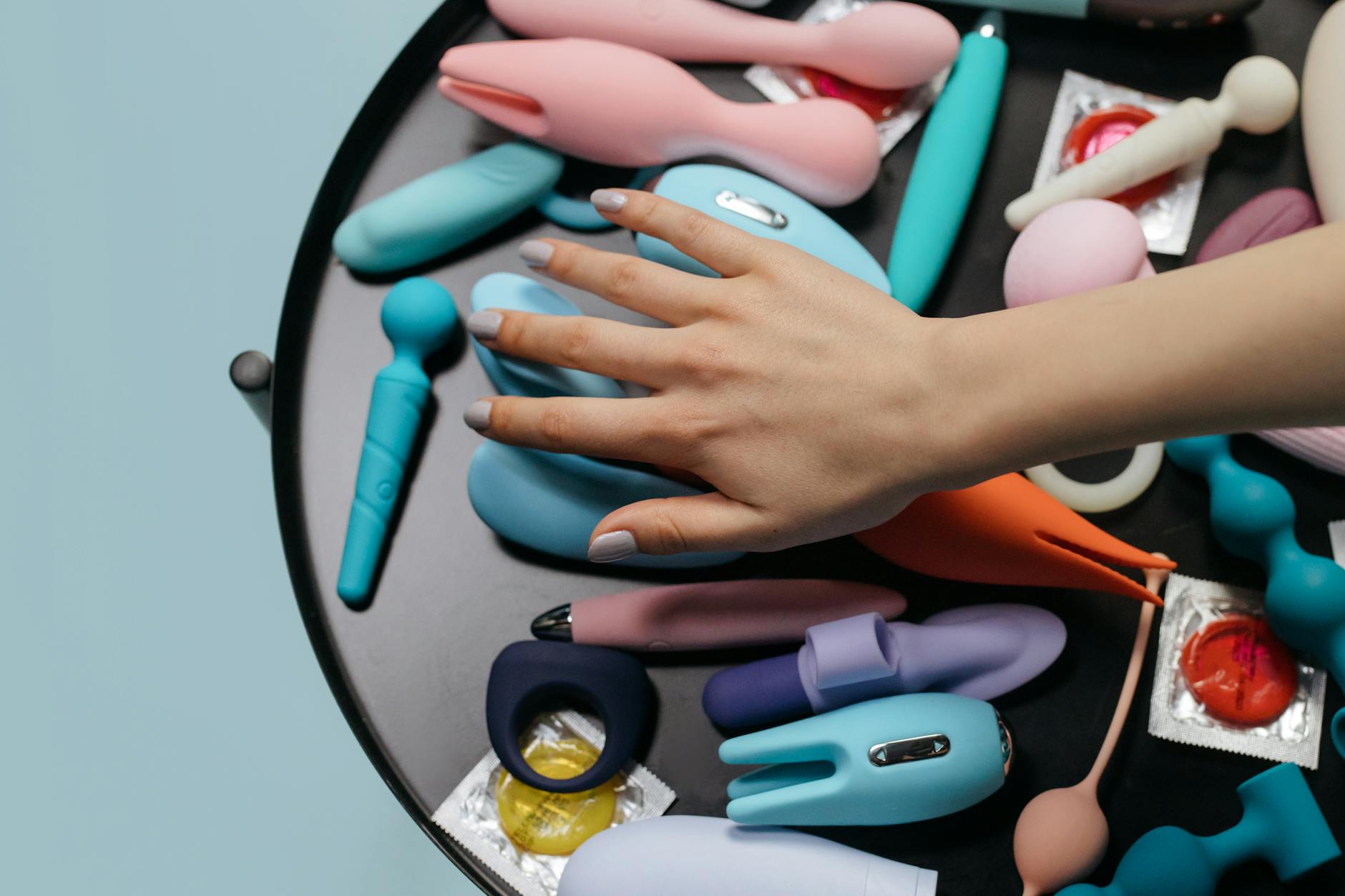
Photo by cottonbro studio on Pexels
Long-distance and the lemon vibrator advantage
When couples are apart, vibrators serve a completely different function. They're not a replacement for physical presence. They're a way to maintain sexual connection when physical touch isn't possible.
App-connected lemon sexual toys let partners control each other remotely. Some couples find that intensely intimate. Others find the logistics annoying. Both are valid.
The simpler approach: you both use your own devices during a video call. It's honest. It's present. It keeps desire alive during the months apart.
I've worked with military couples, couples navigating job separations, long-distance relationships waiting for the other person to move. The ones who maintained sexual connection through technology and intentional presence had an easier transition when they reunited. The ones who deprioritized sex during the separation had to rebuild intimacy from nothing.
The research actually supports this
Couples who communicate about sex have more sex. Couples who introduce novelty maintain higher desire. Couples who experience pleasure together have lower divorce rates. These aren't surprising findings, but they're usually not why people bring a vibrator into their relationship.
People do it because they want to feel alive with their partner again. The research just confirms that it works.
What happens after the first time
Most couples use a vibrator once and then don't again for months. That's normal. Some couples integrate it into regular sex within a few weeks. That's also normal. The key is that you've crossed a threshold together. You know it's possible. You know what the other person wants. You can build from there.
If you're thinking about introducing a lemon clitoral vibrator to your relationship, the barrier isn't the vibrator. It's the conversation. Start there. Everything else follows.
People also ask
Is it normal for couples to use vibrators together?
Absolutely. Studies on couples and vibrators show that between 40 and 50 percent of couples have used a vibrator together at some point. In long-term relationships, that number is higher. It's one of the most common ways couples introduce novelty into their sex life. The only unusual part is how long couples wait to try it, not the fact that they do.
Will using a vibrator make my partner feel like I don't want them?
Not if you frame it correctly. The difference between "I need this instead of you" and "I want this with you" is enormous. If you present a vibrator as something that enhances what you do together, most partners respond positively. If it comes out as criticism, that's a different conversation. Start with curiosity and honesty, and you'll avoid that trap.
How do I bring this up without making things weird?
Start outside the bedroom. Tell them you read something interesting and ask if they'd be open to trying it. Don't ambush them with a vibrator already in hand. Give them time to think about it. Some partners need a few days to sit with the idea. That's fine. Forcing it creates the exact weirdness you're trying to avoid.
Can lemon vibrators help couples dealing with desire mismatch?
Sometimes. If one partner wants more sex and the other doesn't, a vibrator can't fix that fundamental incompatibility. But if both partners want the same sexual frequency and desire has just faded, introducing novelty and having honest conversations about pleasure can rebuild things. The vibrator is the catalyst, not the cure.
What about long-distance relationships?
Long-distance couples benefit enormously from having a tool that keeps sexual connection alive. Video calls with mutual vibrator use, app-controlled devices, or even just knowing your partner is pleasuring themselves while thinking of you. It's a way to say "distance doesn't mean disconnection." When couples reunite, that ongoing sexual connection makes physical reunion easier and hotter.
How often should couples use vibrators?
There's no right frequency. Some couples use them every time they have sex. Others use them occasionally, when they want something different. The point is intentionality. If you've both agreed you're using a vibrator, it's part of your shared pleasure. If you're using one out of habit or obligation, that's when it stops working. Check in with your partner regularly. Ask what's working. Be willing to take breaks and come back to it.
The real payoff
Honestly, the vibrator itself is secondary. What couples get from introducing lemon sexual toys is permission. Permission to want pleasure. Permission to ask for what they need. Permission to be sexual beings together, not just partners managing logistics and stress.
That's the real intimacy rebuild. The vibrator is just the conversation starter.
If you're considering this step with your partner, know that you're not broken for wanting it. Desire isn't supposed to stay the same across twenty years or twenty months. It evolves. Sometimes it needs a nudge. A lemon clitoral vibrator, communication, and intention can be that nudge.
Start with the conversation. The rest will follow.