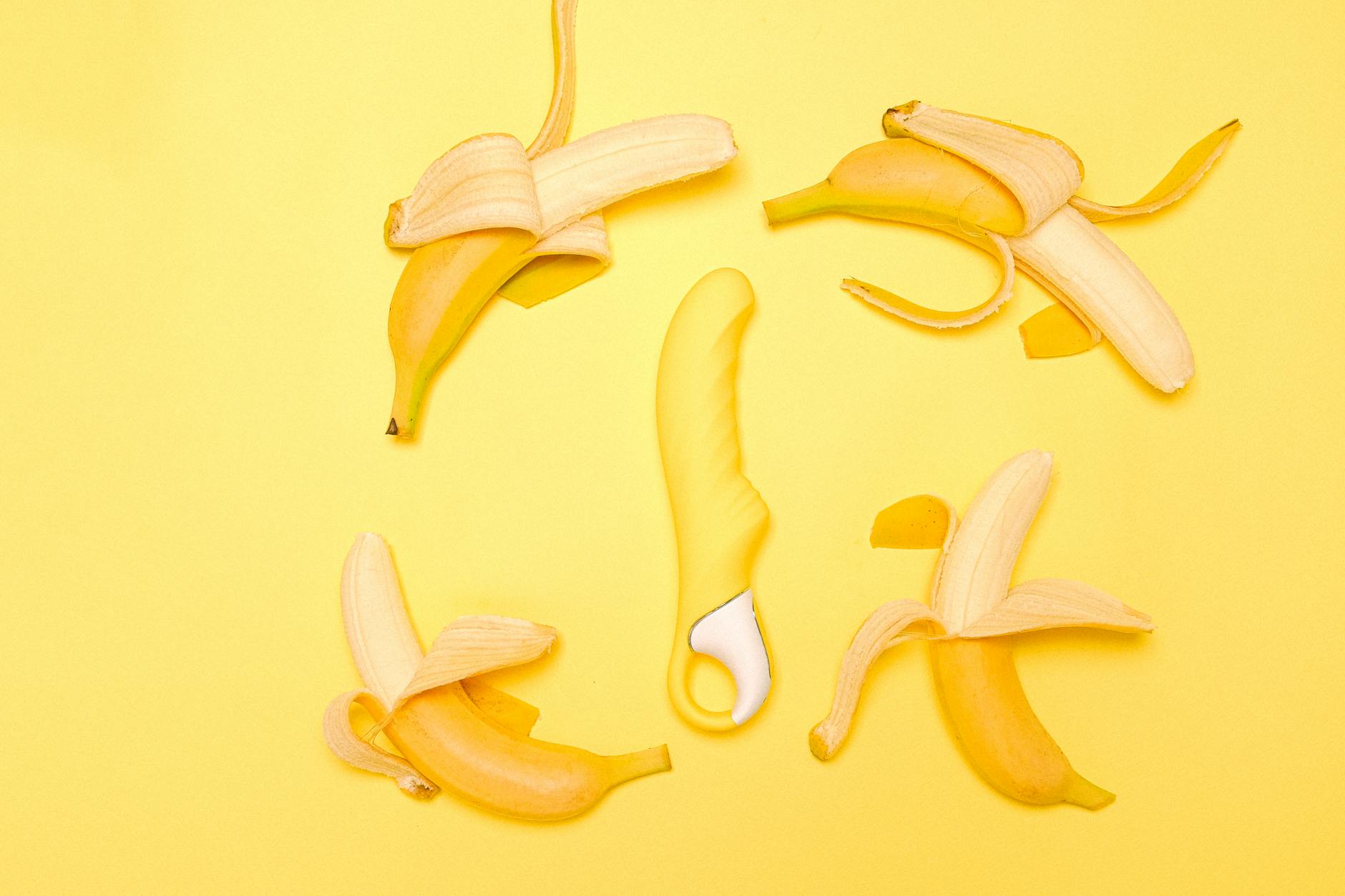
How Lemon Vibrators Improve Orgasm Quality When Sensation Feels Less Intense
Let's be real. You remember what an orgasm used to feel like. The peak used to arrive hard and fast. Your body used to light up at barely any touch. And now? It's like you're reaching for something just out of your fingertips. The sensation is there, but it feels muted. Distant. Like you're experiencing your own pleasure through a pane of glass.
You're not broken. And you're definitely not alone.
Reduced clitoral sensation is one of the most underreported side effects of midlife transitions, chronic stress, certain medications, and even years of the same stimulation pattern. Your nervous system gets used to what you've always done, and over time, it stops firing as intensely. The result is orgasms that feel technically complete but emotionally hollow. The intensity that used to send you over the edge now barely makes a dent.
Here's the good news: this is fixable. And lemon vibrators are one of the most effective tools for getting sensation back where it matters.
Why sensation dulls over time
Your clitoris has about 8,000 nerve endings. But nerves are smart. They adapt. If you've been using the same vibration pattern, the same pressure, or the same timing for years, your nerve endings basically say, "I've seen this movie before," and they stop responding as aggressively.
This is called sensory adaptation, and it's a normal nervous system response. It's also why some people find that their favorite toy suddenly doesn't hit the same way it used to. The pleasure didn't disappear. Your body just got accustomed to that exact stimulus.
There are other reasons sensation can feel flat. Hormonal shifts, blood pressure medication, antidepressants, exhaustion, disconnection in your relationship, stress, and even pelvic floor tension can all muffle what should feel electric. Some of these are neurological. Some are psychological. Most are both at once.
What matters right now is that you're not imagining it. The sensation really has changed. And there's a straightforward path to getting it back.
How clitoral vibrators restore intensity
When sensation feels numb, going harder with the same tool doesn't work. Your nervous system doesn't wake up because you've applied more of the same anesthetic. You need something different. A new pattern. A new frequency. A new pressure point.
Lemon clitoral vibrators are engineered specifically for this problem. Here's what makes them work.
First, they use suction technology alongside vibration. This dual-action approach hits your nerve endings in two different ways simultaneously. Vibration stimulates through pressure and rhythmic motion. Suction stimulates through gentle pulling and release patterns. Your nervous system experiences both at once, which wakes it up faster than either pattern alone would.
Second, they're designed with precision. The opening of a lemon vibrator is anatomically shaped to create consistent contact at exactly the right angle. This means every pulse lands where it's supposed to, without scattered pressure or dead zones. When your sensation has dulled, you need concentrated, purposeful stimulus. Not broad, diffuse vibration.
Third, they offer intensity control. The Lemon Clitoral Vibrator comes with multiple power settings, so you can dial in exactly the pressure your nervous system needs right now. You start low. Your body wakes up. You adjust up. The gradual ramping lets your sensation build naturally instead of jumping from zero to overwhelming.
What happens when you switch to a different tool
One of the most reliable ways to restore sensation is novelty. Not because the new toy is magical, but because your nervous system doesn't have an adaptation file for it yet.
When someone tells me, "I switched to a lemon vibrator and suddenly I could orgasm again," what actually happened is they changed variables. The sensation surprise reactivated nerves that had gone quiet. The new frequency, the new pressure pattern, the new texture all registered as unfamiliar. Your body responds harder to unfamiliar stimulus.
This is why people sometimes find they need to rotate toys. Not because one is better than another, but because variety keeps your nervous system engaged. A lemon vibrator gives you several intensity levels, multiple vibration patterns, and suction technology that your old tools might not have had. That novelty alone often brings sensation roaring back.
Rebuilding sensitivity through pacing and pause
Using a different vibrator is half the equation. The other half is how you use it.
If sensation has dulled, your instinct is usually to jump straight to higher intensities. Resist that. Instead, start at the lowest setting. Use it for 30 seconds. Stop. Breathe. Wait 15 to 20 seconds. Use it again. This pause-and-restart pattern is called "edging," and it's one of the fastest ways to rebuild nerve sensitivity.
What happens during the pause is that your nerve endings reset. They stop adapting to the constant stimulus. When you resume, you're essentially starting over. Your nervous system responds more aggressively because it experienced a break. Over multiple sessions, this pattern retrains your body to respond at lower intensities, which means the sensation feels more intense overall.
Give this approach three to five sessions before deciding whether it's working. Most people feel a noticeable shift in sensitivity within one to two weeks of regular practice.
When reduced sensation signals something else
Sometimes flat sensation is purely physical adaptation. Sometimes it's pointing to something deeper.
If you're currently experiencing depression, high stress, relationship disconnection, or you're in a cycle of just going through the motions sexually, your nervous system will reflect that numbness. Your body isn't broken. It's telling you something. Pleasure usually returns when you address the underlying emotional or relational issue, sometimes with professional support. A vibrator helps, but it's not the whole answer.
If reduced sensation appeared suddenly and is accompanied by other nerve symptoms (tingling, weakness, sharp pain), talk to a doctor. Certain conditions affect nerve function across your whole body, not just pleasure. That's different from gradual adaptation.
But if sensation has slowly faded over months or years, especially after menopause, after stress, or after years of the same routine, a change of stimulation tool combined with intentional pacing is almost always the solution.
The role of arousal in sensation recovery
Here's something almost nobody talks about: you cannot restore sensation if you're not actually aroused.
Flat sensation often lives alongside low arousal. You're not excited. You're going through a routine. Your nervous system reflects that lack of genuine interest. A Lemon vibrator isn't going to override that psychological baseline.
Start by creating actual interest. This might mean partnered foreplay before you even touch a toy. It might mean reading something that genuinely turns you on. It might mean taking more time warming up than you think you need. Give your body 15 to 20 minutes to shift into genuine arousal before you introduce a toy.
Once you're actually turned on, your nerve sensitivity naturally heightens. A clitoral vibrator then amplifies what's already building. That's the recipe: real arousal first, then the right tool.
Building sensation back together
Reduced sensation usually develops gradually, and it usually recovers gradually too. You probably won't jump from numb to explosive in one session. But you will notice shifts week to week.
Start with a tool designed for intensity and precision, like a lemon clitoral vibrator. Use it at low settings. Build in pauses. Stay actually aroused. Give it two weeks of regular practice. Most people find their sensitivity has shifted noticeably by then. The orgasms feel sharper. The peak feels higher. The whole experience feels less like watching yourself have pleasure and more like actually having it.
Your nervous system didn't break. It just got comfortable. And comfortable nerves can learn to wake back up.
People also ask
Why do clitoral vibrators feel more intense when sensation has been dull?
Clitoral vibrators, especially those with suction technology like lemon vibrators, stimulate multiple nerve pathways simultaneously through both vibration and gentle suction. When your sensation has adapted to one type of stimulus, a new pattern wakes up nerve endings that had become habituated. The combination of novelty and multi-directional stimulation creates intensity that single-motion tools can't match.
Can I restore sensation without buying a new toy?
Yes, partially. Changing your technique, taking longer pauses between stimulation, and allowing more arousal time can all help. But changing tools specifically works faster because your nervous system hasn't adapted to the new pattern yet. If you want to stick with what you have, the key is using it differently: lower intensity, more breaks, longer foreplay first.
How long does it take for sensation to come back?
Most people notice shifts within one to two weeks of consistent practice with a new stimulation pattern or tool. Full recovery of pre-adaptation sensation can take four to six weeks. Some people experience immediate improvement simply from trying a new tool because the novelty itself is restimulating. Patience matters more than pressure.
Is reduced sensation a sign of something medical?
Often it's just adaptation. But if sensation loss is sudden, comes with pain, or is accompanied by other nerve symptoms (tingling, numbness elsewhere on your body), see a doctor. Certain medications, hormonal shifts, and conditions affect nerve function broadly. If it's gradual, isolated to sexual sensation, and you've used the same tools for years, it's almost certainly adaptation.
Do lemon vibrators work better than other clitoral vibrators for dull sensation?
Lemon vibrators combine suction and vibration, which means they hit your nerve endings in two different ways. For people with dulled sensation, this dual-action approach often works faster than vibration-only tools. That said, what matters most is finding something different from what you've been using. The novelty itself often restores sensation as much as the tool's specific design does.
Can I use a vibrator while my sensation is rebuilding?
Absolutely. In fact, that's the whole point. Use a vibrator deliberately during your recovery. Start low. Take pauses. Stay aroused. The vibrator isn't replacing your body's natural response. It's training your nervous system to wake back up. After a few weeks of this, many people find their sensation improves during partnered sex and solo pleasure both.
Getting back to feeling everything
Flat sensation doesn't mean your capacity for pleasure is gone. It means your nervous system got comfortable. And comfortable systems can learn to be interested again.
Give yourself permission to try something different. A new lemon clitoral vibrator, a new technique, more time, more arousal. Let your body remember what intensity feels like. The orgasms that used to leave you breathless? They're still available to you. Sometimes you just need to reintroduce your nervous system to the experience.
If you're struggling to find your way back to pleasure or your partner, that's exactly what I'm here to help with. Reach out, and let's talk through what you're experiencing.