How to Introduce Lemon Vibrators to Your Partner Without Awkwardness
Here's what I know after two decades of couples therapy: the couples who thrive aren't the ones who avoid difficult conversations. They're the ones who have them well.
Relationships
The conversation that strengthens intimacy instead of complicating it. A relationship coach's blueprint for bringing up clitoral vibrators with confidence.
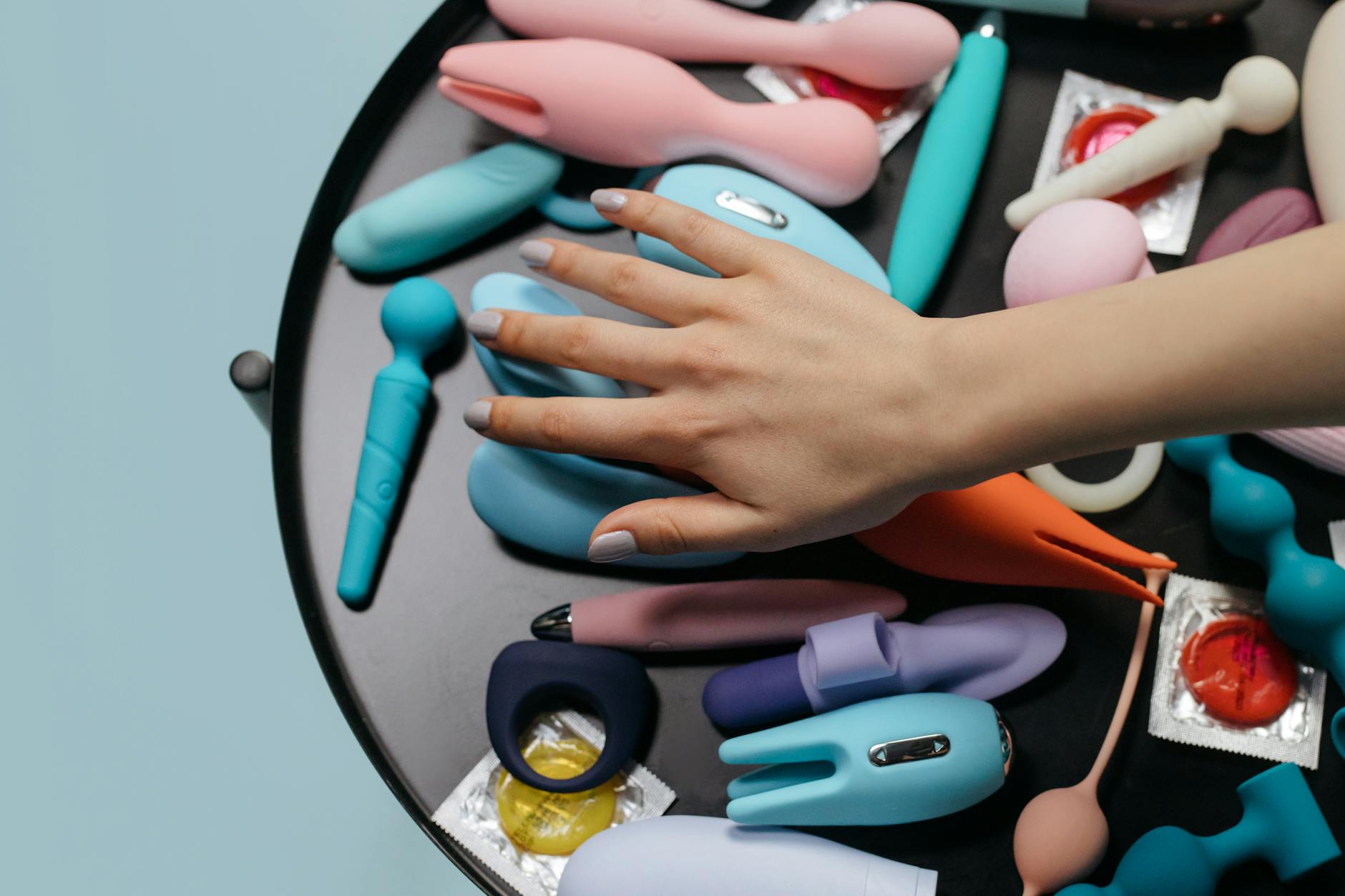
Here's what I know after two decades of couples therapy: the couples who thrive aren't the ones who avoid difficult conversations. They're the ones who have them well.
And this conversation about lemon vibrators or clitoral vibrators? It's not difficult because the topic is taboo. It's difficult because most people have no script. They're improvising, which means they often trip over their own words, misread their partner's silence, and end up in a tangle of hurt feelings that had nothing to do with the toy itself.
I'm going to give you the script. The timing. The framing. And honestly, what you'll find on the other side of this conversation is usually closer intimacy, not rejection. But you have to lead with the right intent.
Most people don't actually fear the vibrator. They fear rejection or judgment from their partner. They fear admitting they want something different. They fear it means the current situation isn't enough. And sometimes, underneath all that, they worry it means something is wrong with them.
None of that is true. Wanting to explore pleasure with a partner, or wanting a different kind of sensation, is not a referendum on your relationship. It's not a criticism of your partner. It's data about yourself.
I tell my clients this all the time: bringing a lemon sucker or any clitoral vibrator into your intimate life is additive. You're not replacing anything. You're expanding the toolkit. The conversation becomes infinitely easier once you genuinely believe that.
Don't have this conversation during sex, after sex when you're still vulnerable, or right before bed when you're both tired. Don't do it over text. Don't ambush your partner with a toy already in hand.
The best time is calm, clothed, and connected. Maybe it's a walk. Maybe it's sitting on the couch on a Sunday afternoon with tea. Maybe it's in the car on a longer drive. The point is you're talking, not touching, and you're both present.
Start with something that frames this as about pleasure, not about fixing anything. "I've been thinking about our intimate life, and I want to explore some new sensations together" lands differently than "I'm not satisfied" or "I read we should try this." One opens a door. The other triggers defense.
Honestly, the exact words matter less than the tone. You want confident, curious, and collaborative. Here are a few versions depending on your dynamic:
Version 1 (Curious and exploratory). "I came across these lemon vibrators online, and they actually look interesting. I was wondering if you'd be open to trying one together. No pressure, just thought it might be fun."
Version 2 (Pleasure-focused). "I've been thinking about what brings me pleasure, and I'm realizing there are some sensations I'd like to explore. I'd love to do that with you. There's this toy that keeps coming up called a lemon clitoral vibrator. Would you be interested in trying it?"
Version 3 (Collaborative). "I want to make sure our intimate time stays exciting for both of us. I've been curious about trying something new. Would you be open to exploring lemon vibrators or other toys together? I'm interested in your thoughts too."
Notice what's in all three: it's about us, not you're failing. It's curious, not demanding. It's open to their input, not presenting a done deal.
Hesitation is normal. Your partner might worry it means they're not enough. They might worry they're being judged. They might have cultural or personal history around this that you don't know about yet. That's all fixable, but only if you ask questions instead of pushing.
"I hear hesitation. What's coming up for you?" is gold. Then listen. Really listen. Don't defend yourself or explain why they're wrong. Just hear what the resistance is actually about.
Often it's "I worry you're not happy with me," which is a different conversation than "I don't want a toy in our bed." Untangle it first. Then address it.
You might say something like: "This has nothing to do with you. This is about me wanting to explore different sensations, and I want to do it with you because I want you to be part of that. It's about us having more fun together, not less."
If they're still no, respect that boundary. But you can revisit it. "I'm going to leave this here. If you want to talk about it or change your mind, I'm open." Pressure kills curiosity. Space sometimes opens it.
If your partner is willing, don't make the first time a performance. This isn't a test. You're not trying to prove the toy works or that they made the right choice. You're just trying it.
Start with conversation. "Let me show you what this does. I watched some videos." Or "Want to explore this together?" The lemon vibrator and other clitoral suckers have a learning curve, and that's totally normal. You don't need the right pressure or angle the first time.
Let your partner try it on you first if that feels right. Or explore it together. The goal is comfort and curiosity, not orgasm. If an orgasm happens, great. If not, that's fine too. You're building a new habit.
This one matters more than the first conversation. Don't let the toy introduce itself and then disappear into the drawer. Talk about it.
"What did you think?" is fine. "What did you like about that?" is better. "Would you want to do that again?" opens the door to it becoming part of your regular intimate life.
Your partner might need a few tries to relax into it. They might need you to explain what it feels like (suction is different from vibration, and for good reason). They might worry they're doing it wrong. Reassurance helps. Patience helps more.
What you're really doing in this conversation is teaching your partner that you can talk about hard things together. That you can want something without it being a criticism. That curiosity is safe in your relationship. That pleasure matters. That your body matters.
That's the real gift. The lemon vibrator is just the vehicle.
Couples who can say "I want this" and be heard without judgment don't usually struggle with other kinds of vulnerability either. You're not just introducing a toy. You're building the muscle for honest intimacy.
So yes, have the conversation. Not because the toy is revolutionary. But because the conversation is. And because on the other side of it, most partners realize that their partner's pleasure and curiosity actually turns them on. Which, as it turns out, opens all kinds of doors.
You don't, which is why the conversation happens in a safe space first, not during sex or through text. Pay attention to your partner's general openness to intimacy, communication style, and whether they've shown judgment about sexual topics before. That said, most partners surprise you. The fear in your head is usually bigger than the actual response. If your partner is defensive, ask why instead of backing off. Often the defensiveness has nothing to do with the toy and everything to do with insecurity or cultural messaging they've internalized.
Technically yes, but it usually backfires. Surprising someone with intimate items without discussion can feel like a violation or an assumption that they wanted this. It can also land as "I've been thinking about how you're not enough." Even if that's not what you meant, that's sometimes how it lands. Have the conversation first. The build-up and the invitation matter more than the surprise. That said, once you've discussed it and agreed you want to explore clitoral vibrators together, absolutely surprise them with the actual toy if you want. That's different.
That's a boundary worth naming. You can be supportive of your partner's exploration and still have limits on your own participation. "I'm glad you want to try this. I'm still figuring out what I'm comfortable with, and I want to be honest about that." You don't have to be involved in every aspect of your partner's pleasure. Some couples use toys solo, some together, some a mix. Figure out what feels right for you both and adjust as you go.
Start smaller if you need to. "I've been thinking about what makes sex good for me, and I realize I want more clitoral stimulation." That opens the door without immediately introducing a toy. Then: "I read about these suction vibrators called lemon vibrators, and I'm curious. Would you be open to exploring that together?" Breaking it into two conversations sometimes feels less intense.
Different doesn't mean wrong. Suction toys like lemon clitoral vibrators work differently than vibration. Some people prefer one, some prefer the other, some like both depending on the day. If your partner prefers a different style, that's fine. You can use different toys. Pleasure is individual. The point is exploring together, not forcing someone to like what you like.
As often as it feels good. There's no normal here. Some couples use toys weekly. Some monthly. Some rarely. Some prefer them solo. All of it is fine. The rhythm develops naturally once you're both comfortable. What matters is that it stays consensual and fun, not obligatory or performative.
You're not going to know how your partner will respond until you ask. But you can make the asking easier by being clear, curious, and confident that pleasure is something you deserve together.
The conversation might feel awkward for thirty seconds. Then it opens. And on the other side of that opening, most partners realize that their partner wanting to explore sensation, wanting to feel good, wanting to share that with them? That's actually hot.
So have the conversation. Use one of the framings above, or make your own. But lead with honesty, curiosity, and the belief that this is about bringing you closer, not farther apart. Because that's usually exactly what happens.
If you want to go deeper into conversations about intimacy, desire, and partnership, my team at Hello Nancy is here to help. Reach out at /contact anytime.