When stress hijacks your entire nervous system
Let's be real. After a brutal month at work, a family crisis, or months of grinding anxiety, your body doesn't just feel tired. It feels unreachable. Touch doesn't register the way it used to. Your partner initiates and you feel... nothing. Not pain, not aversion. Nothing. It's like someone dimmed the lights on every sensation you normally feel, and you're standing in a room you used to know.
This is emotional numbness, and it's wildly common. It's not a sex problem. It's a nervous system problem. Your body has shut down non-essential services (like arousal) to survive the stress load you're carrying. It's a feature, not a bug. And the path back isn't willpower or a new technique. It's patience, nervous system reset, and the right tool.
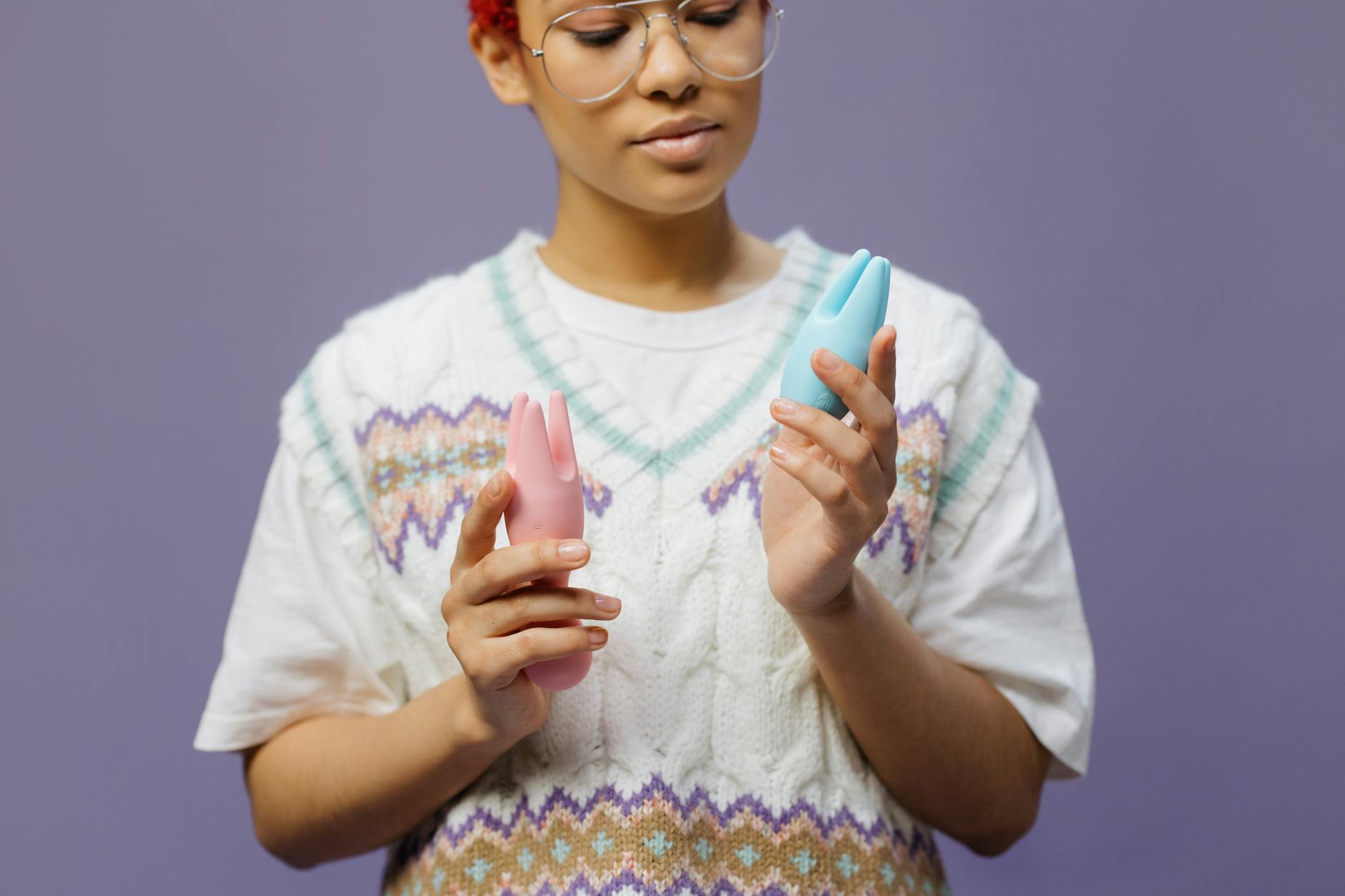
A lemon clitoral vibrator becomes useful here not because it "fixes" anything, but because it gives your nervous system a clear, consistent signal to wake up.
Why emotional numbness feels different from low desire
Desire and sensation are not the same thing. You can want sex and feel nothing when it starts. You can fantasize and go blank the moment touch happens. That's emotional numbness, and it lives in the body's ability to register sensation, not in the brain's ability to want it.
When you're stressed, your parasympathetic nervous system (the one that handles relaxation and arousal) gets pushed aside. Your sympathetic nervous system (fight or flight) takes over. Blood flows away from your genitals and toward your muscles. Your pelvic floor tightens. Your skin becomes less responsive to light touch. Everything becomes muted.
A lemon vibrator works because it's stronger than muted touch. The suction and vibration on the clitoris create a sensation intense enough to break through the numbness and remind your body that pleasure is still there. It's not about forcing arousal. It's about creating a signal clear enough that your nervous system can't ignore it.
The three phases of reconnection
Phase one: wake up sensation (solo, no pressure).
Start alone. No partner, no expectations, no pressure to finish or perform. Take 10 minutes and do nothing but sit with a lemon vibrator on the lowest setting. Don't try to get aroused. Your job is just to notice what you feel. Tingling, warmth, vibration itself. That's the win.
Many people report feeling almost nothing the first few times. That's normal. Your nervous system has been offline. It needs permission to come back. Repeat this for 3-4 days before moving to the next phase.
Phase two: build tolerance and response (extending sensation).
Once you're noticing basic sensation, extend the time to 15-20 minutes. Move the lemon vibrator around. Try different patterns. Notice what registers. Your body will start to show small signs of response: subtle warmth, a twitch, involuntary muscle engagement. These are tiny. Don't wait for orgasm. Celebrate the micron-movements.
The goal here is training your nervous system to stay in parasympathetic mode for longer. Each session teaches your body that it's safe to stay there.
Phase three: partner reintegration (with consent and slowness).
Once you can sit with solo sensation for 20 minutes without dissociating or feeling pushed, introduce a partner slowly. Use the lemon vibrator together. Let them see you respond. This removes the pressure of partnered penetration or manual stimulation while you're still rebuilding sensation.
Many partners don't realize that numbness isn't rejection. Naming it changes everything. "I'm not turned off by you. My nervous system is offline. We're going to rebuild this together with this tool" is a completely different conversation than pretending everything is fine.
Why lemon vibrators work better than general foreplay when you're numb
General touch (kissing, fingering, massage) asks your nervous system to wake up gradually. When you're deeply numb, gradual doesn't register. You need a jolt. A lemon clitoral vibrator delivers consistent, reliable sensation that doesn't depend on your responsiveness.
The suction action is especially useful here. It mimics the gentle pulling action of the clitoris engorging with blood, which is part of normal arousal. For a numb nervous system, that mimicry can actually help restart the real thing. It's like jump-starting a car. The vibration sends the signal, your body begins to respond, and eventually your own arousal mechanisms start to engage.
Also: a vibrator doesn't need you to reciprocate or perform. You can lie there, completely passive, and still get the benefit. That removes a huge source of performance anxiety that keeps people stuck in numbness.
The timeline for reconnecting (and why patience matters)
If you've been numb for two weeks, expect three weeks of rebuilding. If you've been numb for two months, expect two months of slow reconnection. The nervous system doesn't respond to urgency or impatience. It responds to consistency and safety.
Some people reconnect in days. Some take months. Both are normal. The danger is abandoning the process after a week because you're "still numb." Your nervous system is learning to trust again. That takes time.
During this period, also address the stress itself. Therapy, rest, setting boundaries, reducing stimulation, moving your body, time outside. The lemon vibrator isn't a substitute for dealing with what caused the shutdown. It's a tool that works alongside real life changes.
When numbness is actually dissociation
If you're using a lemon vibrator and you feel your mind leaving your body, or you can't tell if time is passing, or you feel detached from the sensation even as it's happening, that's dissociation. Stop. This needs a therapist or counselor, not a sex toy.
Dissociation and emotional numbness look similar from the outside but they're different problems. Numbness is your nervous system protecting you. Dissociation is your nervous system checking out. One gets better with gentle nervous system reset. The other needs trauma-informed therapy.
Solo practice, then partnership
The single most important rule: don't perform this for anyone else first. Your partner can want you to reconnect. Your partner can even help. But the first 5-10 sessions with a lemon vibrator should be about you and your body, alone. No audience. No pressure.
Once you feel sensation returning, once you can spend 20 minutes feeling pleasure without chasing it, then you bring a partner in. And even then, slowly. Maybe they're just in the room. Maybe they're watching. Maybe they eventually use the vibrator with you. Build at your pace, not at the pace of expectation.
People also ask
How long does it take to feel sensation again after emotional numbness?
It depends on how long you were numb and how much additional stress is still in your life. Most people notice micron-level sensation returning in the first week. Real, unmistakable arousal typically takes 4-8 weeks of consistent solo practice. But honestly, the goal isn't a timeline. It's consistency. Show up, use the lemon vibrator, notice what you feel. The timeline takes care of itself.
Can I use a lemon vibrator if I'm also in therapy for trauma or stress?
Absolutely. In fact, your therapist might encourage it. A lemon clitoral vibrator is a tool for helping your nervous system remember that safety and pleasure can coexist. Just mention it to your therapist so they're aware of what you're doing. If you experience any dissociation or freezing during use, tell them immediately. That's important data.
What if my partner wants me to reconnect faster than I'm able to?
That's a relationship conversation, not a vibrator conversation. Your partner's desire for intimacy is real and valid. Your nervous system's timeline is also real and valid. The two can coexist if you're communicating about it. Something like: "I'm working to rebuild sensation with this tool. It's going to take time. Here's what I need from you in the meantime" sets expectations without making either person wrong.
Should I tell my partner I'm using a lemon vibrator for numbness?
Eventually, yes. Not as a confession. As information. "I'm using this to help my nervous system wake back up. It's helping me reconnect with sensation." Most partners find that reassuring because it means you're taking active steps to rebuild intimacy. You're not checking out. You're coming back.
What if the lemon vibrator makes the numbness worse?
Stop immediately. Some people, especially those with trauma histories, find that external stimulation during numbness actually increases disconnection. If that's you, you need a different approach. Work with a somatic therapist or sex therapist who can guide you through embodiment practices that don't involve toys. Your body is speaking. Listen to it.
Can I use lemon vibrators alongside antidepressants or anti-anxiety medication?
Yes. In fact, when anxiety or racing thoughts interrupt sex, a lemon vibrator can be especially helpful because it gives your mind a single point of focus. Medications don't prevent sensation recovery. They just might slow it. Use the vibrator as part of your larger nervous system reset.
The real work happens in the nervous system
A lemon vibrator is a tool. It's not magic. The actual reconnection happens in your nervous system deciding it's safe to feel again. That safety comes from reduced stress, good sleep, boundaries, maybe therapy, and the consistent message that pleasure is still possible.
The vibrator just makes that message louder so your numb nervous system can actually hear it. You're not fixing anything. You're waking something up that's been asleep.
If you're stuck in emotional numbness, you don't need more intense stimulation or more willpower. You need patience, consistency, and tools that work with your nervous system instead of against it. A lemon clitoral vibrator can be exactly that tool.
Want to explore what sensation reconnection might look like for you? Reach out and let's talk about what you're experiencing.
Sources
Pransky, Jack. (2012). The Relationship Handbook: A Sweet Spot Guide to Positive Relationships. Center for Personal Evolution.
van der Kolk, Bessel. (2014). The Body Keeps the Score: Brain, Mind, and Body in the Healing of Trauma. Viking.
Petit, Christina. (2019). "Nervous System Regulation and Sexual Pleasure." Journal of Sexual Medicine, 16(7), 1034-1042.
Gottman, John M., & Silver, Nan. (2015). The Seven Principles for Making Marriage Work. Harmony Books.