Here's the truth about vaginismus and pleasure
Vaginismus is a muscular response. Your pelvic floor tightens involuntarily when penetration is attempted, making sex painful or impossible. But here's what gets missed: vaginismus doesn't touch the clitoris. Your clitoral sensitivity, your capacity for pleasure, your nerve endings, your orgasm—all of that stays intact.
Most conversations about vaginismus focus on what you can't do. I'm going to focus on what you absolutely can.
Why lemon clitoral vibrators work differently for pelvic tension
Vaginismus often comes with anticipatory anxiety. Your brain learns to brace. You tense before anything even happens. Penetration becomes a threat your nervous system prepares to defend against.
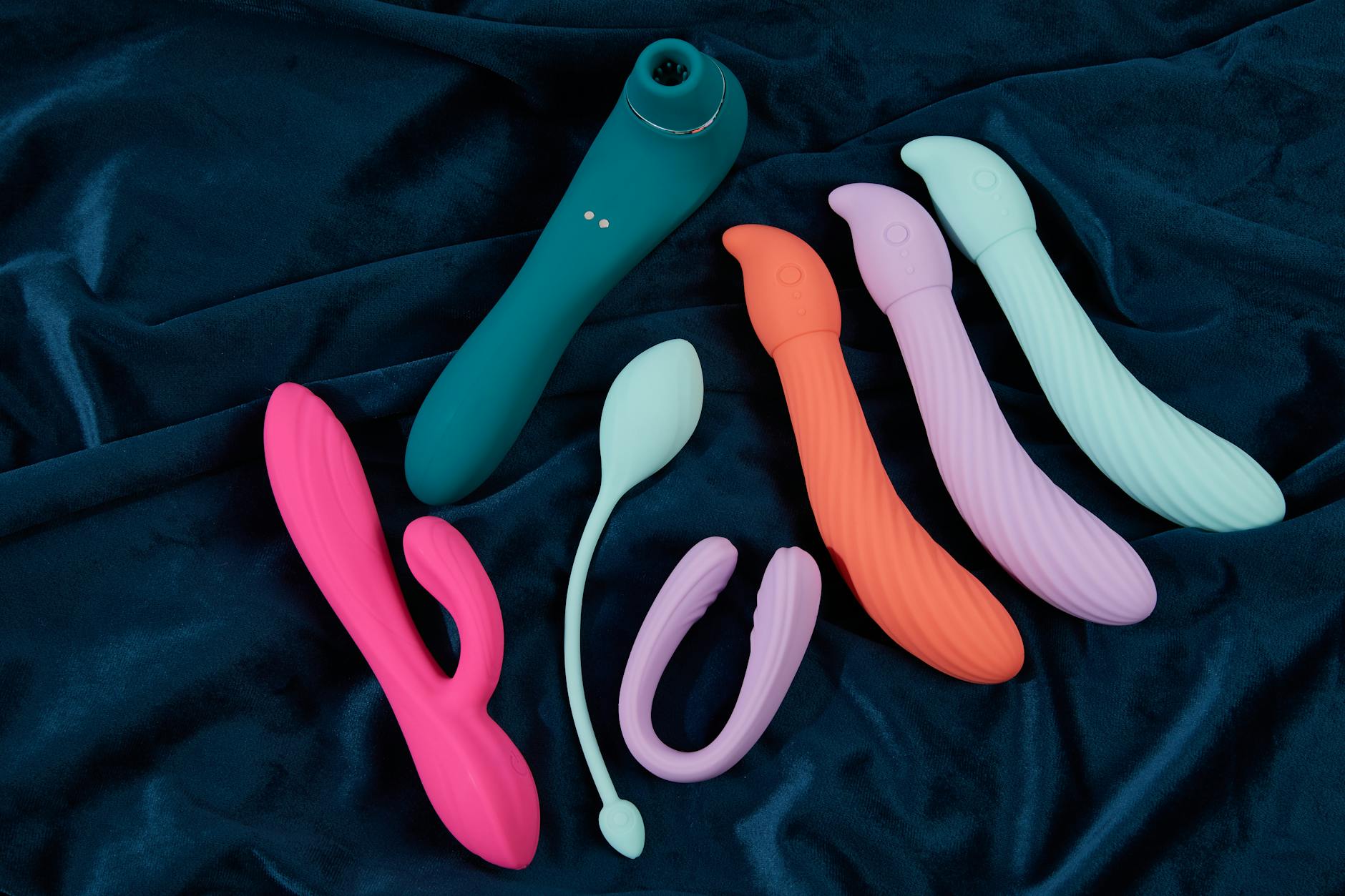
Lemon vibrators—particularly clitoral suction devices like the Lem—sidestep this entire pattern. Why? Because they don't mimic penetration. They don't ask anything of your pelvic floor. They work externally, which means your body doesn't trigger the same protective response.
For people with vaginismus, this distinction is life-changing. You get pleasure without the neuromuscular panic. You rebuild your sense of sexual capacity without retraumatizing your pelvic floor. And over time, this can actually help ease the vaginismus itself by breaking the pain-tension-fear cycle.
The physiology of pelvic floor relaxation
Your pelvic floor is controlled by both voluntary and involuntary muscle fibers. With vaginismus, the involuntary part has been trained to clamp. You can't think your way out of it. But pleasure—real, embodied pleasure—can actually reprogram that response.
When you experience consistent, safe clitoral pleasure without triggering pain, your nervous system starts to update its threat assessment. The pelvic floor gradually relaxes because the brain stops signaling danger. A lemon vibrator accelerates this rewiring because it delivers reliable, predictable sensation that your body learns to trust.
This is why therapists often recommend external clitoral play as a first step in vaginismus recovery. It's not a workaround. It's part of the healing protocol.
Starting with the right settings and approach
If you have vaginismus, intensity matters more than usual. Start on the gentlest setting. I'm not being cautious here. I mean the absolute lowest pulse—something that feels like a hum rather than a vibration. Your nervous system is primed for threat detection, and a sudden strong sensation can actually trigger the same bracing response you're trying to unwind.
With a lemon vibrator, begin with 10–15 minutes of low-intensity play, alone, in a space where you feel completely safe. No pressure to orgasm. No goal except sensation.
Position matters too. Many people with vaginismus find that lying on their back with legs slightly apart feels less threatening than other positions. Some prefer lying on their side. Experiment until you find what feels genuinely relaxed, not just tolerable.
The role of breathing and mental presence
Vaginismus lives at the intersection of body and mind. Your pelvic floor responds to threat cues in your environment and in your thoughts. If you're worried about pain appearing, your muscles tense in anticipation. If you're thinking about your partner's expectations, your nervous system braces.
When using a lemon clitoral vibrator, breathing is not optional. Slow, deep breaths tell your parasympathetic nervous system that you're safe. In through the nose for four counts, out through the mouth for six. Do this for two minutes before you start, and continue throughout.
Mental presence works similarly. Notice sensations without judgment. If your mind wanders to anxiety, gently return to the sensation of the vibration and your breath. This is grounding practice, not meditation. You're training your nervous system to stay present with pleasure instead of scanning for pain.
Building tolerance and rebuilding confidence
Vaginismus often comes with sexual shame or a sense of your body being broken. It's not. But healing requires gradual, repeated experiences of safety and pleasure. Think of this as nervous system rehabilitation, not just pleasure seeking.
Week one: 10–15 minutes, lowest setting, alone, focus on sensation and breathing.
Week two and three: Same pattern, but notice if you can gradually spend longer with the vibrator without tensing. You're not chasing orgasm. You're teaching your pelvic floor that sensation is safe.
Week four onwards: If you feel ready, add slightly higher settings. If you don't, stay where you are. There's no timeline. Your pelvic floor heals on its schedule, not on anyone else's.
Some people find that external clitoral stimulation with a lemon vibrator eventually leads to orgasm. Others find that the relief and pleasure come without orgasm, and that's equally valid. Your goal is safety and sensation, not a particular endpoint.
When to include a partner (and how)
If you're in a relationship, your partner's involvement can either help or hinder healing. It depends entirely on how it's framed.
Start by using the lemon vibrator alone until you feel comfortable with it. Then, if you want to, let your partner be present while you use it. Not watching to monitor you. Not helping. Just present in the room, respecting your autonomy and your pace.
If you eventually want your partner involved directly, that conversation needs to happen outside the bedroom. Talk about what you need: low pressure, verbal reassurance, no penetration attempts, clear boundaries. Many couples find that this actually deepens intimacy because it requires genuine communication instead of assumption.
A lemon clitoral vibrator can be part of partnered play, but only when you've already established safety with it alone. That solo foundation matters more than you might think.
Physical symptoms to watch for
Most people with vaginismus can use external vibrators comfortably. But if you experience pain, unexpected tensing, or any sense of threat during clitoral play, pause. This doesn't mean something's wrong with you. It means you need a slower approach or professional support.
A pelvic floor physical therapist can teach you specific relaxation techniques that make vibrator use more comfortable. Some therapists use biofeedback—you can literally see your pelvic floor muscle activity on a monitor and learn to relax on command. Others use manual techniques to release tension. This is medical-grade support, not shame. It works.
If you're also experiencing pain during penetration attempts, are you working with a pelvic floor PT? That's the first step. A lemon vibrator is an excellent tool, but it's not a replacement for professional assessment.
The bigger picture: What pleasure rebuilds
Vaginismus often creates a story: sex is dangerous, my body is broken, pleasure isn't for me. A lemon clitoral vibrator tells a different story. It shows you that your body is capable of sensation, that pleasure is accessible to you, that you're not fundamentally damaged.
Over time, this shifts something deeper. You stop being afraid of your own arousal. You rebuild trust in your body's responses. You start to see yourself as someone whose pleasure matters, not someone whose dysfunction defines her.
That's not just nice. That's the foundation of healing.
People also ask
Can using a lemon vibrator make vaginismus worse?
No, not if you approach it correctly. The key is starting with low intensity and focusing on sensation without pressure. A lemon vibrator doesn't involve penetration, so it doesn't trigger the same muscular response that causes vaginismus. If anything, it can help rewire your nervous system to associate sexual touch with safety instead of pain. That said, if you experience pain or unexpected tensing during use, check in with a pelvic floor physical therapist.
How long does it take for vaginismus to improve with a clitoral vibrator?
There's no standard timeline. Some people notice their pelvic floor feels less tense after a few weeks of consistent use. Others take months. Vaginismus is partly physical (muscle tension) and partly neurological (threat response), so healing involves both. What matters is consistency and patience, not speed. Many people find that after 8-12 weeks of regular, safe clitoral pleasure, they feel a noticeable shift in their baseline pelvic floor tension.
Is it okay to use a lemon vibrator if I have never orgasmed?
Completely. In fact, it's often the gentlest entry point. A lemon clitoral vibrator can help you learn your body's response without the pressure of partnered sex or the complexity of penetration. Focus on sensation and exploration rather than outcome. Many people who've never orgasmed find that the predictable, reliable stimulation of a vibrator helps them eventually reach orgasm. But if you don't, that's also fine. The point is pleasure and safety, not a particular result.
Should I tell my partner about using a lemon vibrator for vaginismus?
That depends on your relationship and your comfort level. If you're in a supportive partnership, transparency usually helps. Your partner may feel less rejected if they understand that vaginismus isn't about them, and that you're actively working on healing. That said, you don't owe anyone details about your solo pleasure. Use a vibrator because it helps you, and share whatever feels right in your relationship.
Can lemon vibrators help with pelvic floor tension from anxiety or stress?
Yes. Pelvic floor tension often accompanies generalized anxiety because your nervous system holds stress there. A lemon clitoral vibrator can help because the combination of sensation, breathing, and pleasure activates your parasympathetic nervous system. Over time, this can reduce baseline pelvic floor tension even outside sexual contexts. Pair vibrator use with breathing practices or pelvic floor physical therapy for best results.
Is it normal to feel nothing during clitoral vibration if I have vaginismus?
Yes, especially at first. Vaginismus often includes reduced clitoral sensation because your nervous system is in defensive mode. Numbness or reduced feeling is a common protective response. This usually improves with time and consistent, low-pressure stimulation. Start with longer sessions (15-20 minutes) on the lowest setting. Your nerves will wake up. If numbness persists after several weeks, mention it to your pelvic floor PT.
Moving forward
Vaginismus isn't a life sentence. It's a response your body learned because it needed protection at some point. With patience, safety, and the right tools, your nervous system can learn something different. A lemon clitoral vibrator is one part of that healing. Professional support, breathing practices, and self-compassion are the rest.
Your pleasure matters. Your body matters. You deserve sensation and safety, not one or the other.
If you're ready to explore external pleasure at your own pace, reach out to us. We're here to answer questions about Hello Nancy products or to help you think through what might work best for your body.
Resources and further reading
For vaginismus support, the International Society for Sexual Medicine (ISSM) maintains a directory of pelvic floor physical therapists. The Vaginismus Institute also offers evidence-based guidance. If you're working with a partner, consider couples therapy focused on sexual health—a Gottman-trained therapist or sex therapist can help you both navigate this transition together.