
Getting back to pleasure after pelvic floor surgery
Let's be real. Nobody talks about what happens to your sex life after pelvic floor surgery. Your surgeon gives you clearance on a post-op call. You nod. You don't ask the questions that actually matter. How long do you wait? What does it feel like? Can you use your lemon vibrator yet? When is it safe to explore pleasure again?
These aren't frivolous questions. They're about reclaiming something essential. And the answer depends entirely on what you had done, how your body heals, and what "cleared for penetrative sex" actually means for your nervous system.
Why pelvic floor surgery changes everything (temporarily)
Pelvic floor procedures are genuinely common now. Whether you had bladder sling surgery, pelvic floor reconstruction, vaginal mesh removal, or hysterectomy, the surgical site needs time to heal. That's not just tissue knitting back together. Your pelvic floor is where arousal literally lives. It's where sensation originates. When you operate on it, you're operating on pleasure itself.
Here's what happens in the weeks after surgery. Swelling peaks around day 3 to 5. Bruising settles down by week 3. Full internal scar tissue remodeling takes 6 to 12 weeks. And your nervous system? It's been through trauma. Even minor surgery registers as trauma neurologically. Your body needs permission to trust pleasure again.
Most surgeons clear people for penetrative sex at 6 weeks. Some say 8. A few cautious ones say 12. But clearance doesn't mean "you'll feel good." It means tissue integrity is restored. Your nervous system might need longer.
The timeline that actually makes sense
Weeks 1 to 2: Don't touch anything. Seriously. Your body is inflamed. Even light external touch can feel sharp or weird. Focus on gentle walks, rest, and pelvic floor relaxation breathing. If you're in a relationship, this is when emotional intimacy and non-genital touch matter most.
Weeks 3 to 6: Swelling is mostly down. This is when some people start to feel curious. If you're getting urges to self-explore, that's actually your nervous system starting to wake up. Gentle external touch, no penetration, no toys yet. Your vulva is still healing. Using a lemon vibrator now could feel sharp or overstimulating because the tissue is tender.
Week 6 onward (with surgical clearance): You're cleared for penetration, technically. But here's the thing. Clearance and readiness are different. A lemon clitoral vibrator at this stage? Maybe. But start small. We're talking 3 to 5 minutes, lowest intensity, external stimulation only.
Week 8 to 12: Most people feel genuinely ready to engage with pleasure again. Swelling has resolved. Scar tissue is remodeling. Your pelvic floor is re-learning how to contract and relax. This is when a lemon vibrator becomes genuinely useful.
How to reintroduce your lemon vibrator safely
First: make sure your surgeon has given you explicit clearance. Not "you're healed," but "it's safe to use vibration on the surgical area." Some procedures have different timelines than others.
When you're cleared, here's the approach.
Start external only. Position the Lem against your outer labia, away from the surgical site if you can identify it. Use setting 1. Yes, the lowest. Your tissue is hypersensitive right now. What felt fine before surgery will feel intense now.
Expect strange sensations. Numbness is common. So is a sensation like sharp pins or electricity. This isn't damage. It's your nerves waking up and sending mixed signals. It usually resolves within weeks as scar tissue matures.
Keep sessions short. Five to ten minutes. Your pelvic floor is still learning how to respond. Overstimulation now can create tension that sets back your recovery.
Use lubricant. Even if you never needed it before. Post-surgical tissue is often drier because of inflammation and medication. Water-based lube helps glide without friction.
Stop if you feel sharp pain. Pressure, fullness, or mild discomfort is normal. Sharp, shooting pain is not. If it happens, pause and check in with your surgeon. You might not be ready yet, or there might be an adhesion forming.
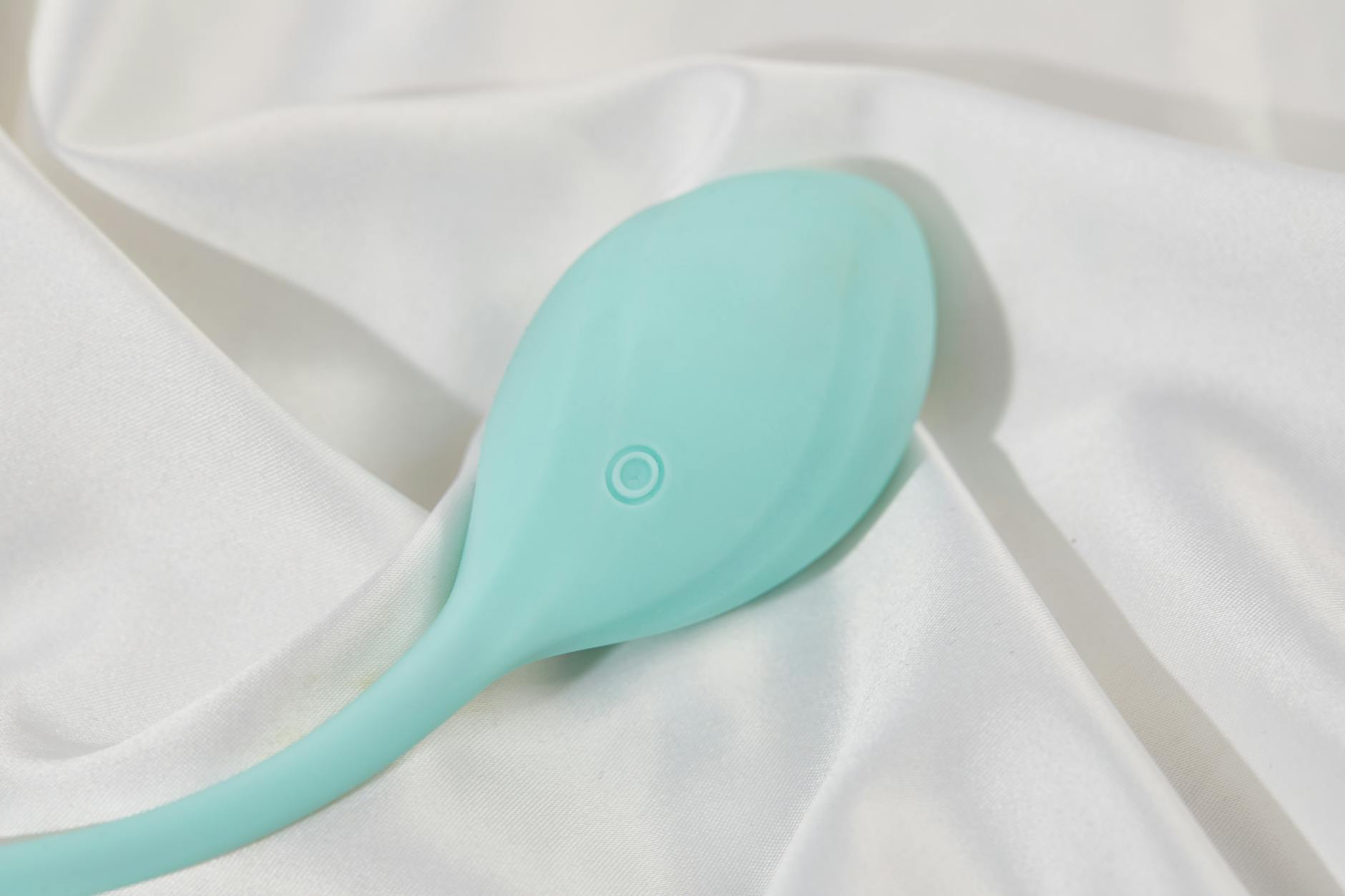
Photo by IFONNX Toys on Pexels
What makes a lemon vibrator ideal for post-surgery recovery
If you're wondering why I'm recommending a lemon clitoral vibrator specifically over other options: suction-based stimulation works differently than vibration, and post-surgery bodies often respond better to it.
Traditional vibrators use rapid oscillation. They're great for a lot of reasons, but after surgery, all that movement can feel jarring. Your tissue is still swollen. Your nerves are confused. The intensity peaks fast.
A lemon sucker uses gentle suction instead. It pulls tissue into a soft cup of air. That means less direct pressure on sensitive surgical sites, and a sensation that tends to feel more controlled and less shocking to a healing nervous system. You can also pause easily. With vibration, you're either on or off. With suction, you can adjust the rhythm and intensity separately.
That control matters when you're relearning pleasure after surgery.
The pelvic floor piece nobody mentions
Here's the thing about pelvic floor surgery that most recovery guides skip. You had surgery on the muscle itself. Now your pelvic floor is probably tight, guarded, or some combination of both. Why Your Lemon Vibrator Isn't Working if You Have Pelvic Floor Tension goes deep on this, but the short version: tension blocks pleasure.
After surgery, pelvic floor tension is almost guaranteed. Your body braced during the procedure. Your nervous system is protective. You might not be able to orgasm yet not because your anatomy is broken, but because your pelvic floor is locked.
Before you use your lemon vibrator, spend time on pelvic floor relaxation. Deep breathing. Gentle yoga. Releasing the pelvic floor intentionally, not just Kegels (Kegels actually tighten things further when you're already tense). Once your pelvic floor learns to relax again, using a vibrator becomes infinitely more effective.
Managing sensation and psychological readiness
Here's something surgeons don't train in: post-operative bodies often develop anxiety around the surgical area. Even if healing is fine, your nervous system might send protective signals. You might feel afraid to touch, or freezing might happen automatically when you try.
That's completely normal. Your nervous system experienced trauma. Reclaiming pleasure means gently reassuring your nervous system that touch is safe again.
Start with non-sexual touch. Your partner placing a hand there. You gently exploring with your hands, no toys. Let sensation return gradually. Then introduce your lemon vibrator as part of that gradual return.
If you have a history of trauma, or if this surgery has triggered past wounds, consider working with a somatic therapist alongside your surgeon's care. They can help your nervous system reset safely.
When to reach out to your surgeon
Several things warrant a follow-up call:
If pain worsens with use, not improves over time. If you're 12 weeks post-op and still experiencing sharp pain during any stimulation. If numbness isn't improving by month 3. If you develop new swelling, bruising, or discharge when you start using a toy. If anxiety around touch is blocking you from even trying.
Your surgeon isn't going to judge. They want you healed and happy. Bring your questions.
The pleasure-is-possible part
Let me be direct. Using your lemon clitoral vibrator after pelvic floor surgery is absolutely possible. Pleasure after surgery is absolutely possible. It might take longer than you'd like. It might feel different. But your body isn't broken, and your capacity for sensation didn't go anywhere.
Start slow, listen to your body, and trust the timeline. Pleasure is worth the patience.
People Also Ask
How long after pelvic floor surgery can I use a vibrator?
Most surgeons clear vibrator use around 8 weeks post-op, though some allow it as early as 6 weeks with external-only use. Every procedure is different. Check with your surgeon specifically about your surgery type. Even if cleared medically, give your nervous system time to settle. External use at the lowest intensity is safer than jumping straight to internal or high settings.
Will using a lemon vibrator after surgery make my pelvic floor worse?
No, if you're gentle and your surgeon has cleared you. In fact, controlled stimulation can help your pelvic floor re-learn how to contract and relax properly. The key is starting low-intensity and short-duration. Aggressive use too early can create tension, which delays healing. Think of it like physical therapy for pleasure, not a sprint.
Is it normal to feel numb after pelvic floor surgery?
Completely normal. Surgical trauma can cause temporary nerve irritation or numbness in and around the surgical site. This usually resolves within 8 to 12 weeks as scar tissue matures and nerves settle. If numbness persists beyond 3 months, mention it to your surgeon. Intermittent burning or tingling is also normal as nerves wake up.
Can I have an orgasm after pelvic floor surgery?
Yes. Orgasms might feel different initially, or take longer to build, but your capacity for orgasm is still there. What often blocks orgasm post-surgery is pelvic floor tension from protection and anxiety. Focus on relaxation, not performance, and pleasure usually returns. If you're 12 weeks post-op and still struggling, working with a pelvic floor physical therapist can help.
What if stimulation feels sharp or painful even weeks after surgery?
Stop immediately and contact your surgeon. While some sensations like numbness or tingling are expected, sharp pain isn't. It could indicate hypersensitivity that needs time, an adhesion forming, or a suture issue. Your surgeon might recommend waiting longer, using numbing cream prescribed, or seeing a pelvic floor therapist. Don't push through pain; let healing guide the pace.
Does internal pelvic floor surgery mean I can't use my lemon vibrator externally?
Not necessarily. External use is often safer earlier than internal. A lemon clitoral vibrator on your outer vulva, away from the surgical site if possible, is usually fine once swelling is down (around 3 to 4 weeks). Just ask your surgeon to clarify whether external stimulation is safe specifically for your procedure.