The numbness you're feeling is not permanent
You've been using the same vibrator regularly, and somewhere along the way, you stopped feeling much of anything. The stimulation that used to deliver intense sensation now feels like background noise. You're not broken. This is vibrator desensitization, and it's way more common than you'd think. The good news: it's completely reversible.
What's happening is straightforward neurology. Nerves adapt to repeated, intense stimulation by raising their threshold. You need more stimulation to feel the same effect. Keep pushing harder, and the threshold keeps rising. It's the same mechanism behind phone scrolling addiction or why spicy food stops burning after a while. Your nervous system is smart but also tired.
Why traditional vibrators make desensitization worse
Most vibrators work through rapid oscillation. They buzz at high frequencies (often 80 to 200 times per second) and rely on direct, consistent contact with the clitoris. When you're already numb, the instinct is to reach for the highest setting, press harder, and keep going longer. That's exactly what makes desensitization worse.
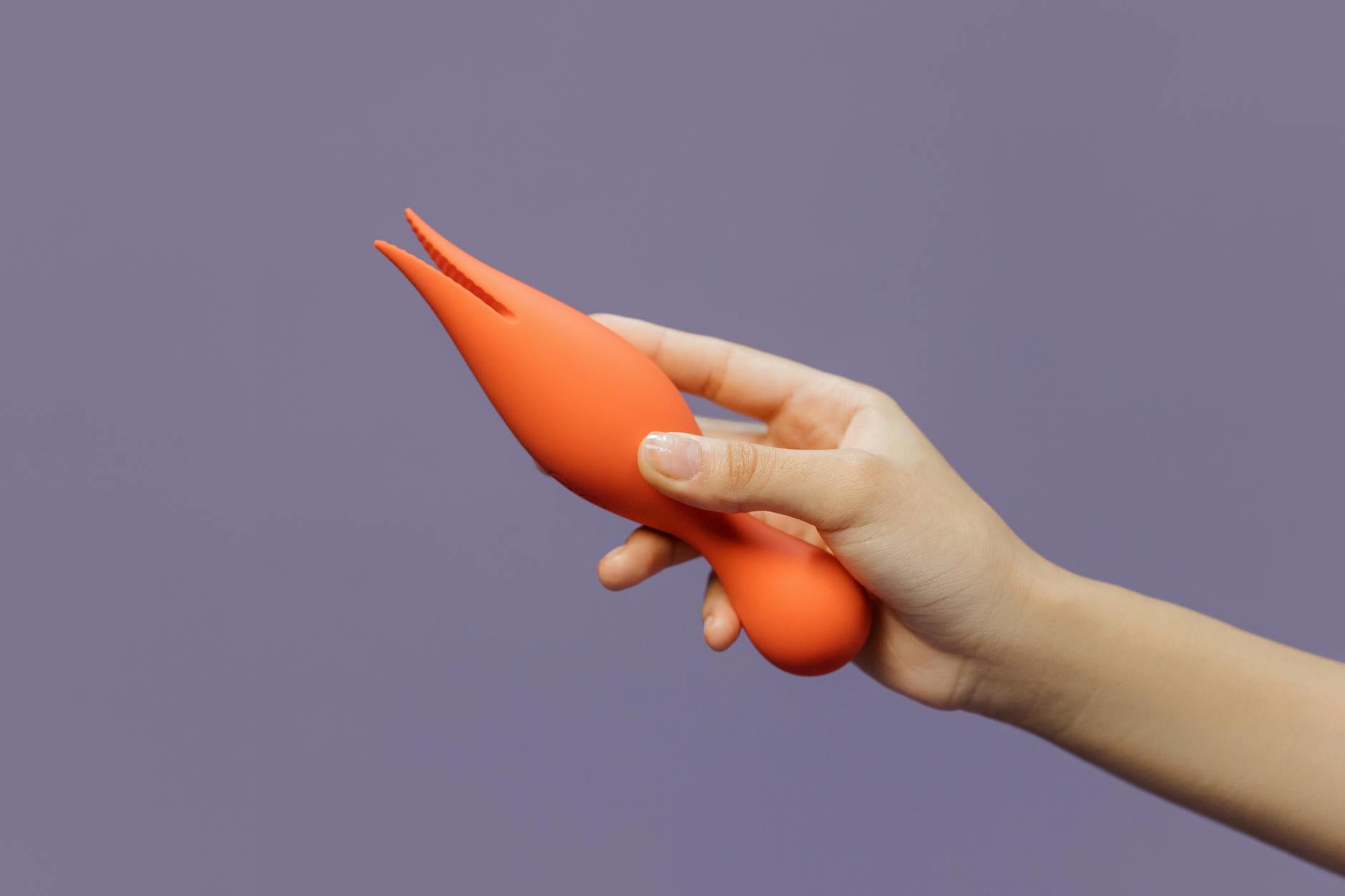
A lemon vibrator works differently. Instead of buzzing, it uses gentle air-suction stimulation. The Lem (Hello Nancy's clitoral vibrator) and similar suction devices create rhythmic pressure changes rather than vibration. This stimulates the clitoris through a different nerve pathway.
Why does this matter? Because if your clitoris has adapted to high-frequency buzzing, switching to suction temporarily "resets" the sensory input. Your nerves don't recognize the pattern, so they fire more readily. You get sensation back faster because you're not asking the same tired nerve endings to work harder. You're asking different nerve endings to wake up.
The reset protocol: three phases
Phase One: The Break (3 to 7 days)
No vibrators at all. No buzzing, no suction, no vibration. This is the hardest part because you're used to that pathway delivering results. But it's essential. Your clitoral nerves need to quiet down and remember what baseline sensitivity feels like. Use your hands only. Slow, exploratory touch. If orgasm happens, fine. If it doesn't, that's actually the point. You're not chasing climax; you're resetting.
During this break, notice what manual touch feels like. How much pressure? How much time? Where exactly does sensation concentrate? This information becomes your map for Phase Two.
Phase Two: The Reintroduction (1 to 2 weeks)
This is where the lemon vibrator comes in. Start with the lowest suction setting. I mean the lowest. You should barely feel it. The temptation will be to crank it up because you're used to intensity. Don't. Spend 3 to 5 minutes at setting 1 or 2. Your goal isn't orgasm; it's sensation recognition.
What you're doing here is showing your nervous system that this new input pattern exists. You're rebuilding the dialogue between your clitoris and your brain. Some days you might feel a lot. Some days very little. Both are normal. The feeling will return faster than you expect.
Frequency matters. Use the lemon vibrator every other day, not daily. This gives your nerves recovery time between sessions. If you go back to daily use too soon, you risk re-sensitizing and heading back to square one.
Phase Three: The Integration (ongoing)
Once sensation is returning (usually 2 to 3 weeks in), you can start mixing suction with manual touch, varying speeds, and experimenting with intensity. The key difference now is you're staying aware of your sensation level. If you notice numbness creeping back, you know to dial back intensity and spacing.
The lemon vibrator isn't your only tool anymore. It's a tool you rotate with touch, with lower-intensity vibration maybe once or twice a week, with breaks built in. The pattern prevents re-desensitization.
Why suction works better than buzzing during reset
Think of your clitoral nerves like a phone that's been ringing constantly. Traditional vibrators are another loud ringer. The phone stops responding because it's overloaded. Suction is a completely different notification sound. The phone perks up because it's novel stimulus.
From a technical standpoint, suction activates pressure-sensitive nerve endings (Pacinian and Meissner's corpuscles) differently than vibration does. Your clitoris has multiple types of sensory neurons. If one group has adapted to buzzing, another group might still respond to suction. By switching tools, you're recruiting fresh sensory pathways.
This is also why the lemon vibrator is gentler on sensitive tissue. It doesn't rely on direct contact friction. The air-suction creates a seal and pressure waves rather than grinding. For someone who's been using high-intensity vibrators, that gentler approach actually retrains your tissue to enjoy sensation at lower volumes. You're learning to feel pleasure without needing maximum force.
Practical setup for success
Before you start the protocol, get clear on your baseline. How often have you been using vibrators? How long per session? What intensity level were you defaulting to? Write this down. It helps you recognize when you're sliding back into old patterns.
Gather your tools for Phase One: your hands, a comfortable place, and patience. No vibrators in sight. Remove the temptation.
For Phase Two, you'll need the lemon vibrator (or another suction device) and a water-based lubricant. Suction works best with a light layer of lube because it helps create the seal. Don't use too much, though. You want contact, not a slippery mess.
Set a timer. Three to five minutes at low intensity. When the timer goes off, you're done. This prevents the "just a little longer" spiral that usually leads back to desensitization.
What to expect emotionally
Many people find the reset phase frustrating. You're used to reliable orgasms on demand, and suddenly you're not getting them. Or you're getting them but they feel muted. This is temporary, and it's part of the process.
Some people also experience guilt. "I've damaged myself. I should have known better." You haven't damaged yourself. You've just adapted to a stimulus, like your body is designed to do. That's not a failure. It's how nervous systems work. The fact that you've figured out what's happening and you're fixing it is exactly what you should be doing.
If you have a partner, let them know what you're doing. The reset protocol usually means lower sexual frequency for a while, and that matters to your relationship. A simple conversation ("My body's been asking for more than I think is healthy, so I'm taking a break and retraining my sensitivity") heads off confusion and creates opportunity for other kinds of intimacy.
When to seek professional help
If you've followed the protocol for four weeks and you're still not feeling sensation returning, check in with a pelvic health physical therapist or a menopause-trained gynecologist. Sometimes numbness isn't purely desensitization. It can be hormonal (especially if you're perimenopausal), related to medication, or tied to pelvic floor tension. A professional can rule those out.
Also seek help if the reset phase triggers anxiety or trauma responses. Numbness can sometimes be connected to dissociation or past sexual stress. A therapist familiar with sexual health can help you work through that layer.
The long game: using vibrators without losing sensation
Once you're back to normal sensitivity, the goal is to stay there. That means varying your stimulation. Use the lemon vibrator some sessions, use your hands others. Vary the speed and duration. Leave breaks between days of vibrator use. This rotation keeps your nervous system engaged without flattening it.
Think of vibrator use like exercise. If you did the same weightlifting routine every single day, your muscles would adapt and stop responding. You change the exercises, the rep ranges, the tempo. Pleasure works the same way. Variety is what keeps sensation sharp.
The lemon vibrator is perfect for this approach because it delivers different sensory input than traditional buzzing vibrators. You can use it as your primary tool some weeks, rotate it in once weekly other weeks, or pair it with other stimulation. That variation is actually protective against re-desensitization.
FAQ
How long does it take to get feeling back?
For most people, noticeable sensation returns within 1 to 3 weeks of following the reset protocol. Full return usually takes 4 to 6 weeks. Individual timelines vary based on how long you were desensitized and how intense your previous use was.
Can I have sex with my partner during the reset?
Yes, but with intention. Manual and oral stimulation are fine. If you're using a lemon clitoral vibrator with a partner during Phase Two and beyond, treat it as foreplay, not as a replacement for everything else. The goal is retraining sensation, not just achieving orgasm.
Will the numbness come back if I use vibrators again?
Not if you use them strategically. The key is variety and spacing. If you go back to using the same high-intensity vibrator every day for 30 minutes, yes, desensitization will likely return. If you rotate between suction, manual touch, and lower-intensity vibration with rest days built in, you'll maintain sensitivity.
What if I can't orgasm during the reset?
That's normal and temporary. Your body is recalibrating its sensitivity thresholds. Orgasm usually returns once sensation does. In the meantime, the goal isn't climax; it's reconnecting with pleasurable sensation. That shift in focus actually accelerates recovery.
**Is a lemon suction vibrator better than other vibrators for this?
For reset purposes, yes. Because it uses a different stimulation mechanism than traditional buzzing vibrators, it activates different nerve pathways. Your clitoris gets "surprised" by new input, which wakes up sensation faster. Once you're recovered, using different tools in rotation is what keeps sensitivity sharp.
Can desensitization be a sign of something else?
Sometimes. If numbness appeared suddenly without a pattern of heavy vibrator use, or if it's accompanied by pain, numbness in other body areas, or significant mood changes, check with a doctor. Usually it's simple desensitization. But sometimes it points to hormonal shifts, medication side effects, or neurological factors that deserve professional attention.
You're not starting from zero
The fact that you recognized desensitization means you're paying attention to your body. That awareness is the superpower here. You caught the pattern, and you're taking steps to fix it. Sensitivity doesn't disappear. It resets. And the lemon vibrator, with its gentler suction-based approach, is one of the smartest tools for getting there. Your pleasure is worth the few weeks it takes to reclaim it.