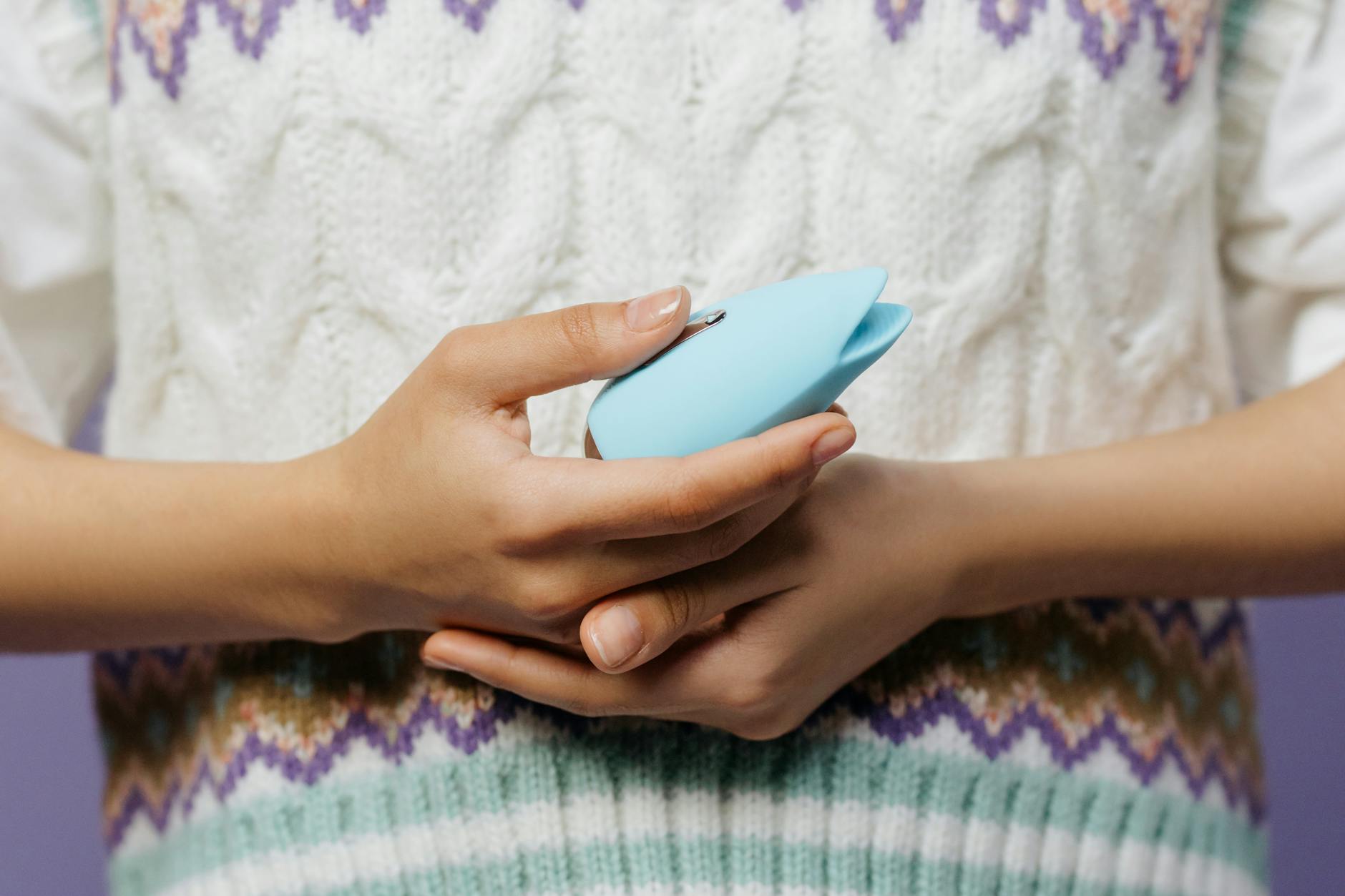
Let's start with what nobody warns you about
Breast surgery changes sensation. Not always in ways you expect, and not always permanently. But the nerve disruption is real, the numbness can linger for months (or longer), and the emotional weight of that numbness often matters more than the physical part.
Most people focus on surgical recovery. Drains, swelling, scar tissue, returning to exercise. What gets buried is this: many people lose the ability to feel pleasure in their chest and nipples after surgery. That's a grief. And it affects sexual confidence in ways that ripple way beyond the surgical site itself.
What happens to sensation after breast surgery
Breast surgery (whether reconstruction, reduction, augmentation, or mastectomy) involves cutting through nerves. The intercostal and thoracodorsal nerves run through breast tissue, and depending on the surgical approach, they may be stretched, damaged, or completely severed.
Here's the timeline you should know: most acute numbness improves within 6 to 12 months as nerves regenerate. But some sensation loss can be permanent, and for some people, regenerating nerves create hypersensitivity or phantom sensation instead. That's also disorienting.
The psychological layer complicates everything. You might be cleared for sex weeks after surgery, but mentally you're still grieving the body that existed before. That's not weakness. That's a legitimate loss.
Why sensation changes affect arousal (and why it matters)
Your brain doesn't separate your breasts from your sexual response. Nipple sensation feeds into the arousal chain in ways that bypass conscious decision. When that pathway goes numb, many people report that the entire arousal sequence feels broken.
This creates a feedback loop: numbness leads to less pleasure, less pleasure erodes confidence, lower confidence makes it harder to focus on sensation elsewhere. It snowballs.
Here's what I tell my clients: you haven't lost the capacity for pleasure. You've lost access to one specific input. That sucks. But pleasure has other routes. And rebuilding those routes often means using tools like a lemon vibrator in very intentional ways.
The clitoral focus approach for recovery
After breast surgery, shifting attention deliberately to areas with intact sensation is not avoidance. It's smart healing.
The clitoris has roughly 8,000 nerve endings concentrated in a space the size of a pea. That density is unaffected by breast surgery. A lemon vibrator targets that area with suction and stimulation that doesn't rely on pain tolerance or body image confidence.
Start with the Lem or another dedicated clitoral vibrator at low intensity (pattern 1 or 2). The suction mechanism is gentler than direct vibration and creates a more diffuse sensation, which means you don't need hypersensitivity to feel it. That's the opposite of what you might assume.
Budget 20 to 30 minutes for this. Your nervous system is still processing trauma. Rushing the process signals to your body that pleasure isn't safe yet.
Timing matters. A lot.
Don't start using a lemon vibrator until you're fully healed from surgery. That typically means:
- Incisions are sealed (no weeping or oozing)
- You've been cleared by your surgeon for sexual activity (not just general activity)
- You're off prescription pain medication
- You're sleeping through the night without significant discomfort
For most people, that's 4 to 8 weeks post-surgery. Pushing it earlier doesn't accelerate healing. It just creates anxiety and potentially damages tissue that's still binding together.
Once you're cleared, start solo. No performance pressure, no partner expectations. That context matters because post-surgery body image is fragile, and adding someone else's gaze or touch can flip the focus away from your own sensation and back onto insecurity.
Rebuilding numbness into sensation
This is the part that takes patience. Numbness doesn't flip back to normal sensation overnight. Instead, you're working with your nervous system to reestablish connection.
Three things to do:
Slow down initiation. After surgery, the body's threat detection system is turned way up. You may need 15 to 25 minutes of non-genital touch (arms, neck, inner thighs) before your nervous system is ready for direct clitoral stimulation. That's not a problem. It's recalibration.
Use water-based lubricant. Post-surgery tissue is often more fragile and slower to self-lubricate. A quality lube isn't optional here. It's protective.
Layer sensation. If your breasts are numb but your thighs, neck, or inner arms still feel good, weave that in. Use a partner's hands or your own to stimulate those areas while you use a lemon vibrator clitorally. This creates a fuller sensory picture and reminds your brain that pleasure exists across multiple channels.
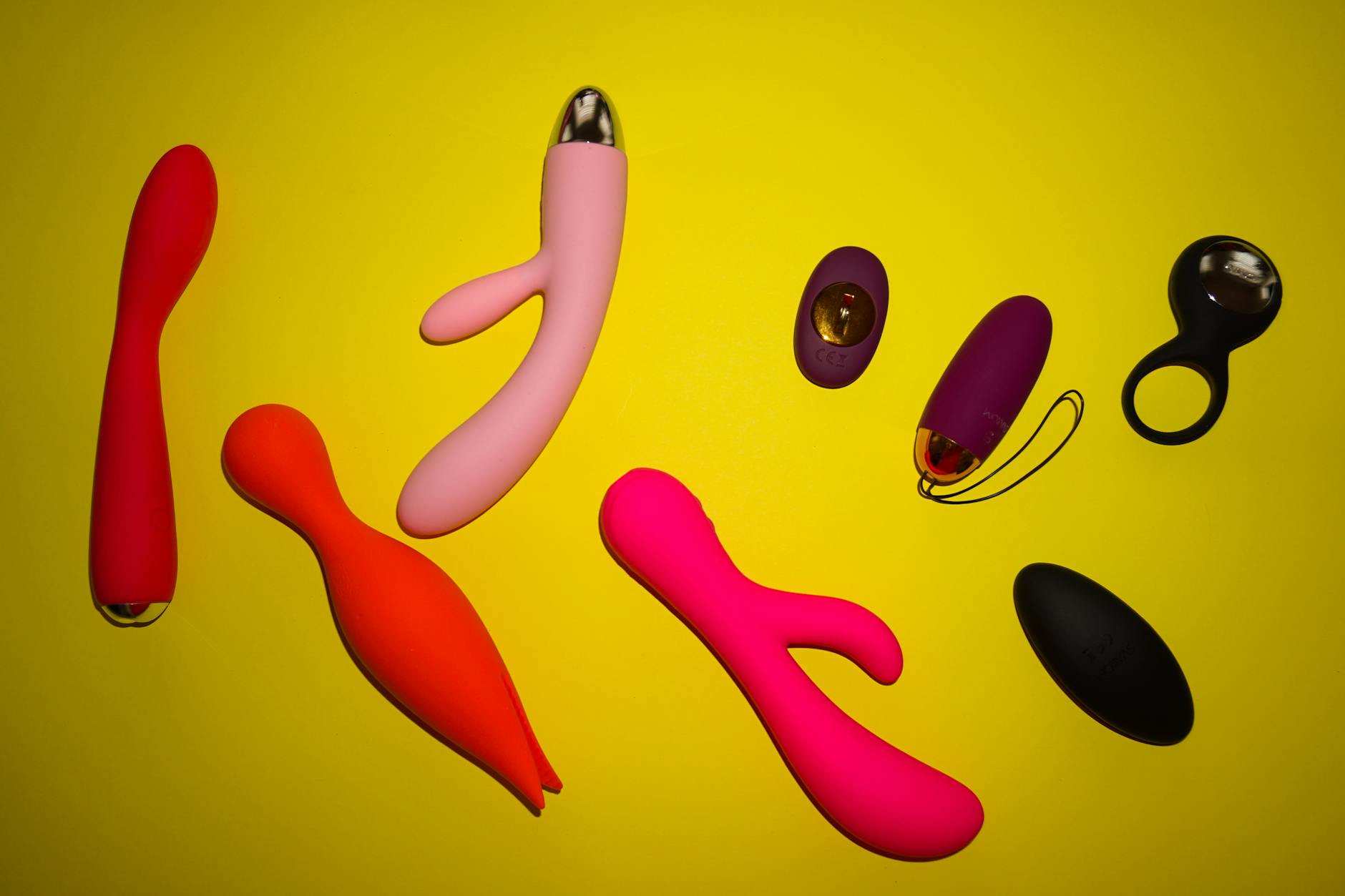
Photo by FounderTips on Pexels
When sensation comes back (and how to protect it)
Some people recover full sensation. Some recover partial. Some remain numb indefinitely. All of these are normal.
If sensation does return, it can feel hypersensitive or even painful at first. That's because regenerating nerves are hyperthreshold. If that happens, take a step back. You don't need to immediately return to the stimulation you used before surgery. The return of sensation is already happening. Pushing harder won't speed it up.
Protecting returning sensation means respecting it. That might sound obvious, but what I see clinically is that once people get sensation back, they panic that it'll disappear again and overuse it. You can't rush recovery by being more aggressive. You only risk retraumatizing the tissue.
The relationship piece (if there is one)
If you have a partner, you need to separate two conversations. One is about your body's healing. The other is about your relationship's intimacy. Mashing them together turns both into problems.
A partner might feel rejected if you're not interested in chest touch. A partner might worry that you're not attracted to them anymore. Neither of those things is actually about what's happening in your body. They're about fear and miscommunication.
Before reintroducing partnered sex, have the conversation sober and clothed. Say something like: "My body is healing. Clitoral pleasure is accessible to me right now. Chest sensation might come back, and it might not. I need us to focus on that first route for now. That's not about you. It's about where I can actually feel good."
Your partner's job is to listen. Not to fix, not to reassure themselves, just to listen. Once they do, the path forward gets a lot clearer.
When to see a specialist
If numbness hasn't improved at all after a year, or if sensation that returns feels painful rather than pleasurable, talk to your surgeon or a pelvic floor physical therapist. Persistent nerve pain after surgery (neuropathic pain) is treatable. So is hypersensitivity.
If the emotional grief around the surgery is blocking your ability to feel pleasure even in areas that have full sensation, that's a sign to talk to a therapist who understands post-surgical body image. I've worked with many people who physically could feel pleasure again but emotionally couldn't give themselves permission to pursue it. That's a different kind of healing, and it matters just as much.
The bottom line
Breast surgery changes your body's sensation map temporarily or permanently. That doesn't end your pleasure. It redirects it. A lemon vibrator, used thoughtfully and patiently, is a tool for that redirection. Combined with time, with your body's own healing capacity, and with honesty about what you're grieving, it becomes a bridge back to a version of pleasure that fits the body you have now.
People also ask
How long after breast surgery can I use a vibrator?
Wait for full surgical clearance. Most surgeons approve sexual activity 4 to 8 weeks post-op, but ask your specific surgeon. You should be off pain medication, healed over, and sleeping without significant discomfort. Starting too early doesn't speed healing. It just creates anxiety.
Will sensation come back to my breasts after surgery?
For most people, yes, at least partially. Recovery takes 6 to 12 months or longer. Some sensation may remain numb permanently, and some people experience hypersensitivity or phantom sensation instead. Recovery is individual. There's no single timeline.
Can I use a lemon vibrator if I have implants or reconstruction?
Yes, absolutely. The surgical site is separate from the clitoris, and clitoral vibrators don't touch breast tissue. Once you're healed from surgery, a lemon vibrator is safe and often helpful for rebuilding sexual confidence.
Should I tell my partner I'm using a vibrator during recovery?
That's your call. But I recommend it. Not for permission, but for clarity. If your partner understands you're rebuilding sensation clitorally while your chest heals, they stop taking it personally. Transparency reduces resentment and confusion.
What if sensation never fully returns?
Your clitoris, labia, and inner thighs are all intact. Pleasure doesn't require full chest sensation. Many people discover their most intense orgasms come from clitoral focus, regardless of chest numbness. Your body's pleasure capacity isn't measured by symmetry of sensation.
Can I use a partner's hands instead of a vibrator?
You can. But many people find that a lemon vibrator removes performance pressure and allows them to focus entirely on sensation without worrying about their partner's experience. Solo use first often builds confidence faster. Partner touch can come later, once you've restablished your own pleasure map.
References
Sanford, M. T., et al. (2018). Breast Sensory Changes and Sexuality After Breast Cancer Surgery. Journal of Surgical Oncology, 118(4), 659-667.
Meyer, A. C., et al. (2019). Nerve Regeneration and Neuropathic Pain After Breast Surgery. Plastic and Reconstructive Surgery, 144(6), 1319-1326.
Vrancken, A. M., et al. (2021). Neuropathic pain following breast cancer treatment. European Journal of Cancer, 149, 142-151.