The disconnect is real (and more common than you think)
You can bring yourself to orgasm in five minutes alone. But the moment your partner is in the room, watching, waiting, your body locks up. Your mind won't settle. The orgasm that felt inevitable becomes impossible. This isn't a reflection of how much you want them or how attracted you are. This is a pattern most couples encounter at some point, and it has nothing to do with your body's capacity.
What's actually happening is a collision between two nervous systems. Your arousal system needs safety, focus, and zero performance pressure. Partner sex, especially when orgasm becomes the goal, can flip your nervous system into alert mode instead. You're thinking about whether you're taking too long, whether they're getting tired, whether you're doing it right. That mental noise is louder than any physical sensation.
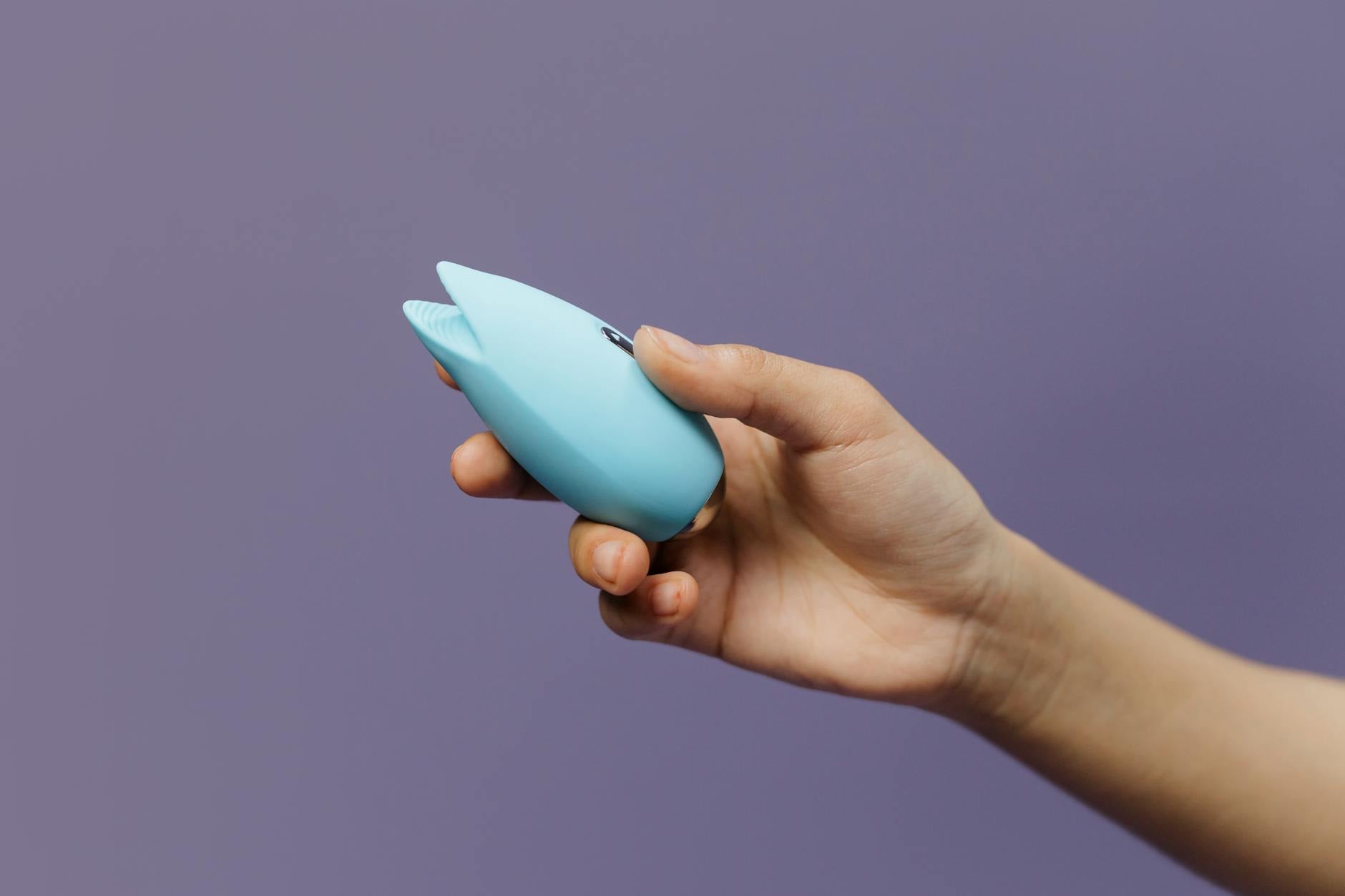
The good news: a lemon clitoral vibrator can interrupt this pattern without requiring you to "fix" anything about yourself.
Why orgasm disappears when someone else is present
There's a clinical name for this: climacturia anxiety, or more broadly, performance pressure during partnered sex. It's not about dysfunction. It's about context. Your body knows the difference between solo exploration and partnered performance, and it responds differently.
Three things happen simultaneously:
1. Your nervous system shifts into observer mode. When you're alone, your brain is entirely in your body. With a partner, part of your attention is always scanning their reactions, their pleasure, their timing. That split focus is subtle but profound. It's like trying to read while someone watches you read.
2. The pressure to orgasm becomes visible. Alone, orgasm is optional. It's a bonus. With a partner, it often becomes the metric of good sex. You start performing instead of experiencing. Your body senses this and tightens up further.
3. Arousal pathway changes. Solo arousal often builds through direct, consistent clitoral stimulation. Partner sex rarely offers that exact rhythm and intensity. When your partner tries to replicate what you do to yourself, it's often too light, or the angle is slightly wrong, or the timing is off. Then you feel bad for not coming, they feel bad for not getting you there, and the whole system collapses.
None of this means you're broken. It means you need a bridge.
How a lemon vibrator shifts the dynamic
A lemon clitoral vibrator (or any suction-style vibrator) works differently than a partner's fingers. It's consistent. It doesn't tire. It doesn't require communication or adjustment in the moment. That consistency is often exactly what nervous system needs to relax enough to let arousal build.
When you introduce a vibrator during partnered sex, several things change at once:
You regain control of your own pleasure. Instead of hoping your partner gets the angle right, you're directing the intensity and rhythm. That agency alone shifts you out of performance anxiety mode and back into sensation mode.
The goal becomes mutual, not one-way. It's no longer "partner gets you to orgasm." It becomes "you and your partner create an environment where you both feel good." That reframing takes enormous pressure off both of you.
Physical sensation comes back online. With the steady stimulation a lemon vibrator provides, your nervous system relaxes enough to feel. Many people report that once they actually relax into sensation with a vibrator, their body remembers how to respond.
The vulnerability becomes shared. When you use a vibrator with a partner, you're showing them what you need. That's different from the silent pressure of trying to come for them. It's a collaboration.
Practical setup: introducing a lemon vibrator to partnered sex
If you're thinking about trying this but feel awkward about it, that awkwardness is valid. Here's how to make it natural.
Have the conversation first. Not in the moment, not mid-sex. Pick a neutral time (not right before bed, not during conflict) and say something like: "I've noticed it's harder for me to come when we're together, and I think a vibrator might help both of us relax. I want to try it." That's it. Most partners respond with relief because they've also noticed, and now there's a solution that doesn't feel like criticism.
Start small. Use the vibrator during foreplay before any partnered penetration happens. Let your body settle into it. This isn't about reaching orgasm quickly. It's about proving to your nervous system that pleasure can happen in their presence.
Let them participate without directing. Your partner might want to hold the vibrator, or use it on you, or just be present. Some people prefer their partner to stay engaged elsewhere (kissing, touching, talking) while they handle the vibrator themselves. There's no right answer. Do what lets you feel less alone without feeling watched.
Set a low bar for success. The goal isn't orgasm. The goal is feeling more relaxed and more sensation than you did yesterday. Orgasm might come later, or after multiple sessions, or never during partnered sex (and that's still a win if you're feeling more pleasure overall).
The role of your partner during this transition
Your partner's job right now is to be present without performing. That's harder than it sounds, because partners often feel like they should be doing something to make you come. They shouldn't. Not yet.
What helps most: your partner stays connected to you (through touch, eye contact, presence) while you take the lead on stimulation. Some partners find it helpful to focus on other kinds of touch: kissing your neck, touching your body, using their hands on parts of you that aren't directly involved in building toward orgasm.
If your partner has performance anxiety about this ("Why isn't my touch enough?"), that's a conversation worth having. It's not about their adequacy. It's about creating conditions where your nervous system can relax. A lemon vibrator isn't replacing them. It's helping you both get to a place where connection feels better.
What to expect in the first few weeks
Don't expect instant results. Your nervous system has learned that partner sex means pressure and tension. Unlearning that takes repetition and patience.
Week one might feel awkward. You're introducing a new tool, there's novelty and self-consciousness. That's normal. It usually fades by week two or three.
Week two or three, many people notice their body starts to respond differently. Not necessarily orgasm yet. Just more arousal, more sensation, less tension. That's progress.
Some people reach orgasm with their partner for the first time in years during this phase. Others take longer. Some find that they're more comfortable with partnered pleasure in general, even without reaching orgasm. All of those are wins.
When things still feel stuck
If after four or five sessions you're still feeling no shift, it might be worth exploring what's underneath the performance pressure. Sometimes orgasm difficulty during partnered sex points to relationship issues (trust, resentment, communication breakdown) that a vibrator alone can't fix. That's not a failure of the vibrator or you. That's useful information.
Consider talking with a relationship therapist or sex-positive couples coach. A professional can help you and your partner untangle whether this is a nervous system response, a relational issue, or a mix of both.
FAQ: Orgasm difficulty and lemon vibrators
Can a lemon vibrator actually help me come with my partner if I've never been able to?
Yes, often. The vibrator isn't magic, but it does two concrete things: it provides consistent stimulation your nervous system trusts, and it shifts you from a passive role (waiting for partner to get it right) to an active one (directing your own pleasure). That shift alone helps many people relax enough to respond. Results vary, but it's worth trying.
What if using a vibrator during sex feels weird or makes me feel less sexy?
That feeling usually fades after a few sessions, once you see that your partner is into it and your own pleasure matters. If it persists, ask yourself: am I uncomfortable with the tool itself, or am I uncomfortable prioritizing my pleasure? Those have different solutions. A therapist can help you explore this.
Should my partner use the vibrator on me, or should I use it myself?
Start with yourself. You know exactly what pressure and rhythm work for you. Once you've relaxed into it and feel more confident, you can experiment with your partner handling it. Some people always prefer self-directed stimulation during partnered sex. That's completely fine.
How long before I should expect to orgasm with a partner and a vibrator?
There's no timeline. Some people feel the shift in week one. Others take several weeks. Some find that they come eventually, but more importantly, they feel less pressure and more pleasure overall. Focus on sensation rather than outcome.
Does using a vibrator during sex mean my partner isn't enough for me?
No. It means you've identified what helps your nervous system relax during partnered sex. That's information, not criticism. Many partners actually feel relief when they learn you can come with support, because it takes the pressure off them to single-handedly create your orgasm.
Is there a lemon vibrator designed specifically for couples use?
A lemon clitoral vibrator works beautifully during partnered sex because it's small, easy to control, and delivers consistent stimulation. Look for one with variable patterns if you like options. The key is choosing something that feels good in your hand and lets you stay connected to your partner at the same time.
The bigger picture: redefining partnered pleasure
Here's what I see most often: once a couple introduces a lemon vibrator into their sex life for this reason, they stop seeing it as a workaround. They start seeing it as a tool that lets both of them relax. The partner feels less pressure. You feel more pleasure. Everyone wins.
Your difficulty orgasming during partnered sex isn't a personal failing or a relationship red flag. It's your nervous system asking for specific conditions. A lemon clitoral vibrator helps create those conditions. The rest is just showing up together and being patient with the process.
Ready to explore how this might work for you both? Start the conversation without the vibrator first. Then, once you've both agreed it's worth trying, introduce the tool and give yourself at least three to five sessions before deciding if it's helping. Most couples notice a shift by then.
If you have questions about which lemon vibrator might work best for couples use, or if you want to talk through any of this without judgment, we're here. Reach out anytime.