One of you wants sex twice a week. The other wants it twice a month. You're not broken. Your relationship isn't failing. You're just living in one of the most common friction points in modern partnerships, and pretending it doesn't exist only makes it worse.
The standard advice is to "communicate more" or "find a middle ground." Both sound good. Both usually backfire because they don't address the real problem: when one partner initiates from a place of need and the other receives it as pressure, nobody gets what they actually want. You get tension, resentment, or worse, a dead bedroom.
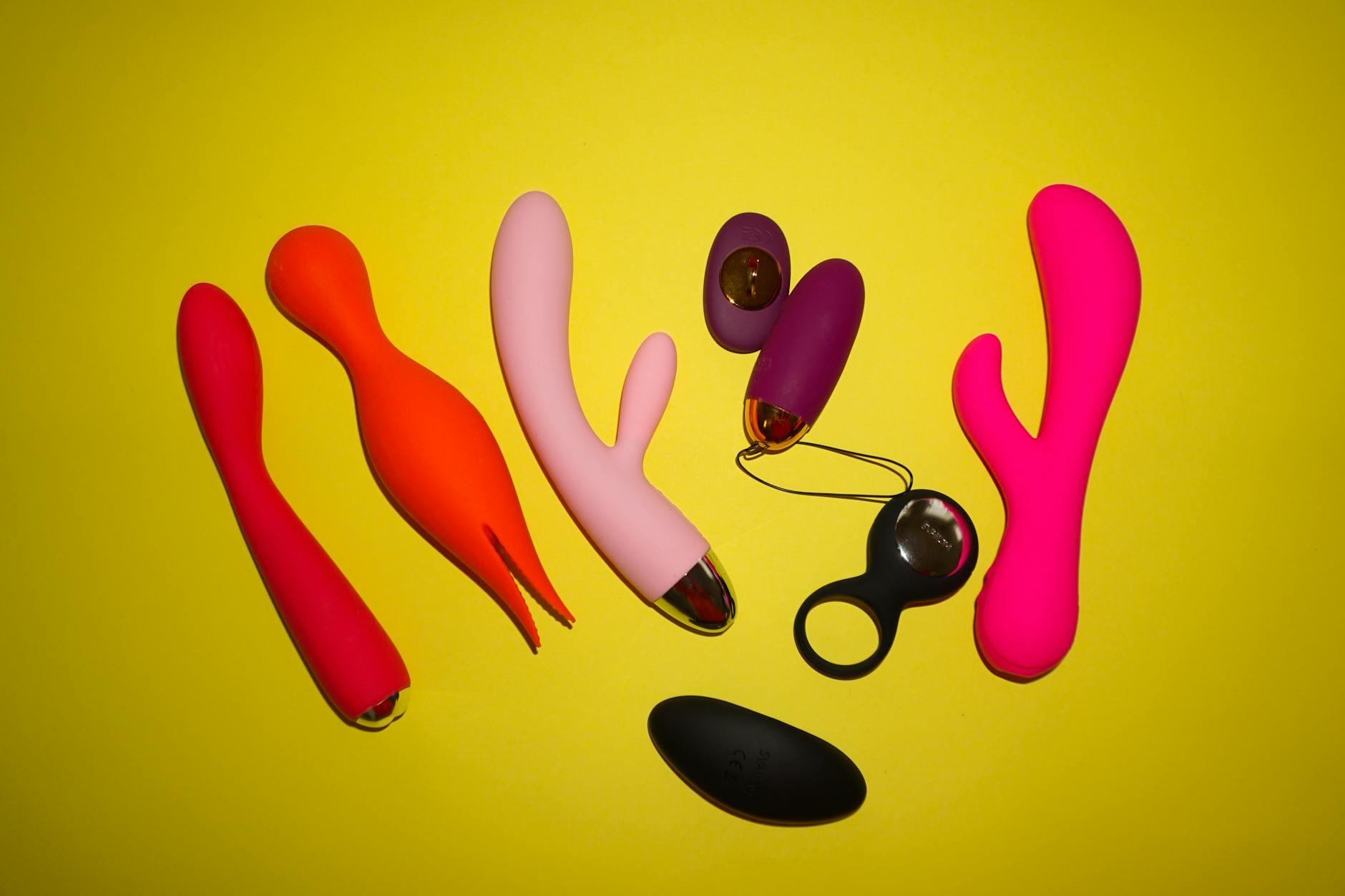
That's where a tool like a lemon vibrator changes the equation.
Research from the Kinsey Institute shows that libido mismatch affects about 60% of couples at some point. It's not about attraction. It's not about being "broken." It's usually about stress, exhaustion, medication, hormones, or simply how your nervous systems are wired.
But here's the trap: when one partner's needs go unmet for months, resentment builds quietly. The higher-desire partner feels rejected. The lower-desire partner feels pressured. Eventually, sex becomes another thing you're both failing at instead of something that connects you.
A clitoral vibrator like the Lemon solves this in a specific way. It gives the higher-desire partner a way to meet their own needs without burdening their lower-desire partner with guilt or obligation. It also, counterintuitively, often makes the lower-desire partner want more sex. Let me explain why.
When your partner stops asking you for sex all the time, something shifts. The dread lifts. The negotiation energy dissolves. Suddenly, sex doesn't feel like a chore or a debt. It feels like something you might actually want.
This isn't theory. I've watched this cycle break in my practice dozens of times. The higher-desire partner uses a lemon vibrator solo, takes the pressure off the relationship, and within weeks, the lower-desire partner is initiating.
Why? Three reasons.
One: You're no longer spending mental energy avoiding sex. You can relax. And when you relax, your body remembers it likes pleasure.
Two: Knowing your partner is taking care of themselves sexually is weirdly intimate. It removes the sense that you're failing them. That relief opens space for actual desire to return.
Three: Your partner is happier. They're less resentful. They're present with you in a completely different way. And happiness is attractive.
Don't start by saying "I'm going to use a vibrator because you don't want me enough." That's not the framing.
Try this instead:
"I've been thinking about how we've both been frustrated about sex frequency. I don't want you to feel pressured, and I don't want to feel rejected. So I want to be clearer about my own pleasure instead of making it your job. I'm thinking about using a lemon vibrator on my own, and I wanted to run it by you because I want us to be honest with each other about this."
The key elements: you're taking ownership of your pleasure, you're not blaming them, you're being direct, and you're including them in the decision.
Honestly? Most partners respond with relief. They say "that makes sense" or "I'm glad you're thinking about this" or even "can I learn how to use it with you?" The door opens instead of slamming.
Lemon clitoral vibrators use suction technology, which means they work through indirect stimulation. You don't need a partner's involvement to enjoy them fully. They're designed for your pleasure, alone or with someone else.
Here's what I recommend:
Set a realistic solo schedule. If you're having sex twice a month with your partner and you'd prefer it twice a week, aim to use your lemon vibrator alone two or three times a week. This takes the pressure off your partner and stabilizes your nervous system.
Don't hide it. I know this feels vulnerable, but secrecy around sexuality creates more distance, not less. If your partner knows you're handling your own needs, there's no suspicion or weird tension.
Stay present in partnered sex. When you do have sex with your partner, don't mentally compare it to solo sessions. They're different experiences. Your partner can't do what your lemon vibrator does, and that's okay. Your partner offers intimacy and connection that a toy never will. Both matter.
Consider using it together sometimes. Some couples find that incorporating a lemon vibrator into partnered sex actually increases desire on both sides. It's less about "replacing" anything and more about expanding what's possible. The lower-desire partner often becomes more interested when the pressure is off and the pleasure is higher.
Let me be clear: a vibrator is not a substitute for your partner. It's a tool that lets both of you feel less resentful, less pressured, and more like yourselves.
Mismatched desire is an intimacy problem dressed up as a sex problem. The real issue is usually "I don't feel wanted" or "I feel suffocated by need."
A lemon vibrator addresses the sex problem, but you still have to address the intimacy problem. That means talking about what's actually happening.
Is your partner stressed about work? Do they have a lower baseline libido and always have? Are they on medication that affects desire? Are they depressed? Dealing with body image issues? None of these are excuses to never have sex, but they're reasons to understand what's actually going on instead of interpreting it as rejection.
Honestly though, once you get the sex pressure off the table, these conversations become so much easier. You're not fighting about frequency anymore. You're actually listening.
If your relationship has deeper issues—infidelity, broken trust, total lack of emotional connection—a vibrator won't fix that. It's a tool for couples who love each other and are stuck on the logistics of sex, not couples who are stuck on the fundamentals of partnership.
If you notice that your partner is completely uninterested in any physical connection with you, even holding hands or kissing, that's a separate conversation with a couples therapist, not something to solve on your own.
But if you're in a basically solid relationship and you're just stuck on frequency? A lemon vibrator and an honest conversation can genuinely change everything.
Actually, the opposite usually happens. When you're not desperate and resentful, you're more interested in genuine connection. Solo pleasure and partnered sex use different parts of your brain. You can have both.
Frame it as taking ownership of your pleasure, not as criticism of them. "I want to feel good, and I want to take some pressure off you" is completely different from "you're not giving me enough sex."
That's a sign of a deeper insecurity worth discussing. A vibrator isn't competing with your partner. It's a tool like a pillow or a book. If they're genuinely threatened, couples therapy can help reframe what pleasure means in your relationship.
Absolutely. Sometimes taking the pressure off solo pleasure actually makes partnered sex more appealing because there's less desperation. You might find your partner is interested in incorporating it together even if they're not interested in traditional sex as often.
As often as you need to feel satisfied. There's no "right" number. If you find yourself using it multiple times a day as a way to avoid your partner, that's worth examining. But using it a few times a week to regulate your own pleasure? That's healthy.
Not at all. Incompatibility is when neither person is willing to work with the gap. Using a vibrator is you actively working with it. That's compatibility in action.
Mismatched desire feels like a fundamental incompatibility until you realize it's actually solvable. You just need permission to take your pleasure seriously instead of making it your partner's responsibility.
A lemon vibrator gives you that permission. Your honest conversation gives your partner permission to relax. And suddenly you're a team again instead of two people keeping score.
Your pleasure matters. Your partner's peace of mind matters. Both can be true at the same time. That's where this actually works.