Let's talk about the thing nobody mentions
Antidepressants save lives. They also change how pleasure works. Most people on SSRIs (selective serotonin reuptake inhibitors) like sertraline, paroxetine, or fluoxetine experience some shift in sexual response. It's not broken. It's not permanent. But it is real, and pretending it isn't changes nothing.
Here's what I see in my practice: people stop talking about it because they feel trapped between two medicines. Stop the medication, the depression returns. Keep taking it, the pleasure numbs. There's a third option. It just requires understanding what's actually happening in your nervous system.
What SSRIs actually do to sensation
SSRIs work by increasing available serotonin in your brain. This is excellent for mood, motivation, and emotional regulation. It's less excellent for the arousal system, which relies on a different chemical messenger called norepinephrine. When serotonin rises, norepinephrine sometimes dips. Genital sensation can feel muted, arousal takes longer to build, and orgasm becomes harder to reach.
The timeline varies wildly. Some people notice changes within days. Others don't feel it for weeks. A small percentage experience no sexual changes at all. The dose matters too. Higher doses amplify the effect.
Here's what doesn't change: your desire to want pleasure. Your body's capacity to have orgasms. The neural pathways that respond to stimulation. What changes is the volume dial and the speed at the start.
Why lemon vibrators work better on SSRIs
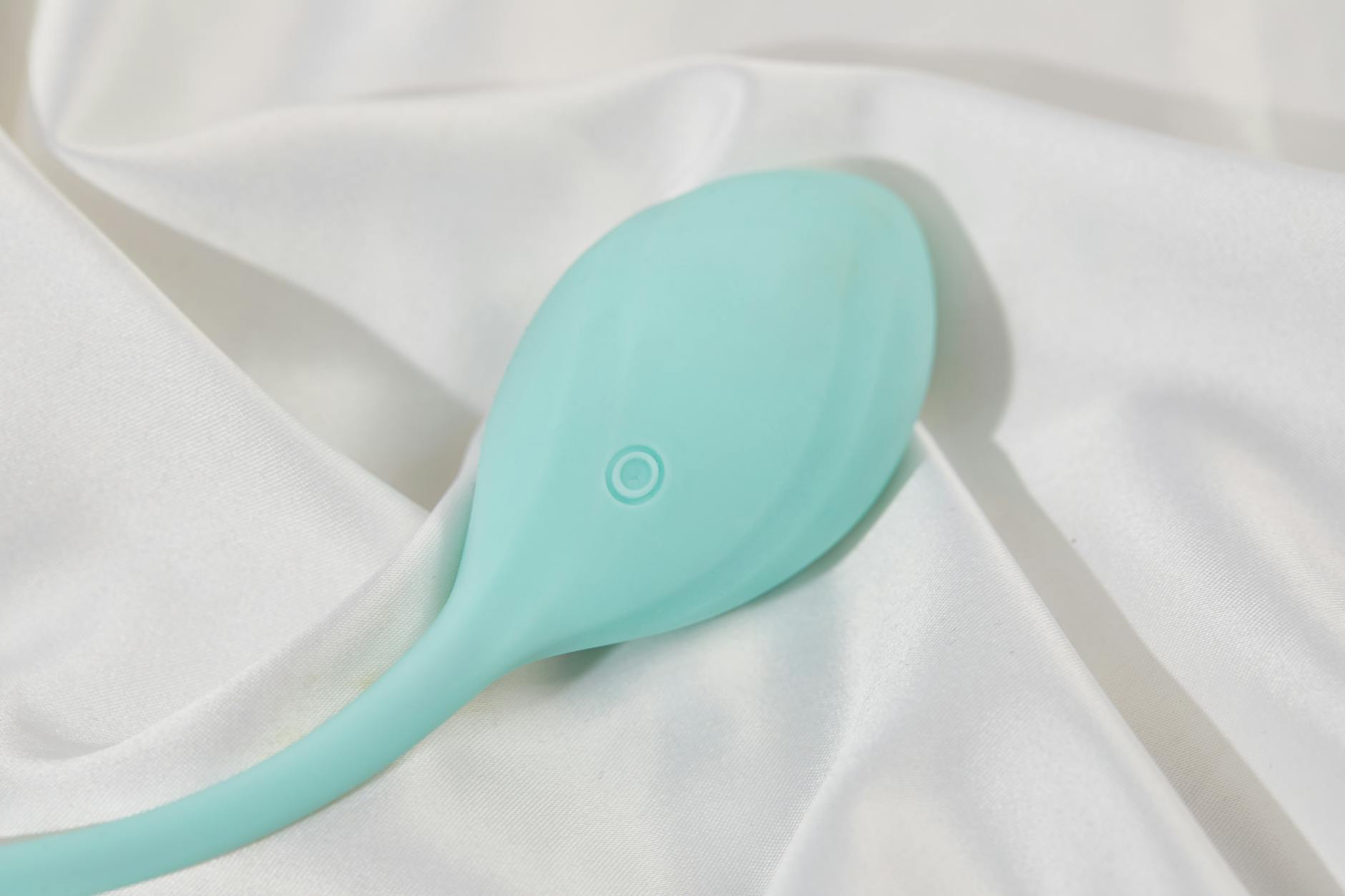
A lemon vibrator, or lem vibrator, uses air-suction technology rather than traditional vibration. Instead of relying on surface sensation, suction engages deeper nerve clusters around the clitoris. This matters enormously when your sensory input is dampened.
Think of it this way: if vibration is like tapping on a window, suction is like opening the door. When SSRIs turn down the volume on sensation, you need a tool that doesn't depend on subtle touch. You need something that creates measurable physical change in the tissue itself.
I've had clients report that lemon sexual toys were the first thing that worked after starting medication. Not because the toy is magic, but because the technology bypasses the sensory dampening in a way that traditional vibrators can't.
The adjustment period (it's longer now)
On SSRIs, your warm-up time doubles or triples. That's not a sign something's wrong. It's the new baseline. Budget 30 to 45 minutes instead of 10. Use that time differently. More exploration. Less pressure to arrive at a specific outcome.
Start with lower stimulation intensity. If you used a lemon vibrator before medication and started at medium strength, drop to level 1 or 2 now. Your body needs time to wake up. Rushing through the early stages means you'll hit a sensory ceiling and plateau.
Lubricant becomes essential, not optional. SSRIs don't usually change natural lubrication, but the extended warm-up means you might dry out if you're starting from dry. Reapply. This isn't failure. This is just the new rhythm.
Mental game shifts that actually matter
Here's where most advice about SSRIs and sex falls apart. People focus entirely on the physical and ignore the psychological. Your brain is making serotonin differently. That affects mood, but it also affects how you relate to pleasure.
Many people on SSRIs report feeling a slight emotional distance from sensation. It's not numbness exactly. It's more like watching your own pleasure from a small distance away. That detachment changes the experience. You can still orgasm. It just feels less earth-shattering.
The fix isn't medical. It's attentional. You have to actively choose to focus on sensation rather than waiting for it to grab you. If you normally get lost in the moment, SSRIs ask you to be more deliberate. That's exhausting at first. It becomes natural after a few weeks.
If you have a partner, this is crucial to communicate. Don't say "my body isn't working." Say "I need longer warm-up time and I need you to focus on X sensation." Specific, generous, action-oriented.
When to talk to your prescriber
If your medication is changing your sex life but your depression is stable, your doctor has options. Some people switch to medications with fewer sexual side effects (bupropion, mirtazapine, or vilazodone have gentler profiles). Some add a second medication that counters the side effect. Some adjust timing. Taking your SSRI 12 hours after sex rather than right before sometimes helps.
Don't stop taking your medication to fix this. Don't just accept it as the cost. Have the conversation. Good prescribers know this is real and have solutions.
The actual routine that works
Three practical changes I recommend to clients using lemon vibrators on SSRIs.
First: build anticipation across the day. You have less natural arousal momentum, so create some. Flirtation with yourself or a partner. Thinking about what you want. Reading something that lands. By the time you pick up a lem vibrator, you're already halfway aroused instead of starting from zero.
Second: use a lemon clitoral vibrator in the session. The air-suction technology delivers more targeted stimulation than a wand or traditional bullet would. Start at the lowest setting. Work up slowly over 20 minutes. Don't expect the snap-to-orgasm you might have experienced before.
Third: give yourself permission for different orgasms. They might be quieter. They might take 35 minutes instead of 8. They might feel less intense but still deeply satisfying. Orgasms on SSRIs are often more diffuse, more internal, less obviously physical. That doesn't make them wrong.
The timeline is real and it's reassuring
If you just started an SSRI, the sexual side effects usually peak around week 2 to 4, then stabilize or slightly improve over the next few months. Your body adapts. You adapt. The numbness lessens. Not always completely, but enough that pleasure returns to something recognizable.
I've had clients who couldn't orgasm at all in month two who have their best, deepest orgasms by month five or six. They're just different. That's not a sad compromise. That's just how it works.
FAQ: what actually helps
Will my sexual sensation come back completely when I stop the medication?
Mostly, yes. For most people, sexual sensation returns fully within 2 to 3 weeks of stopping an SSRI. Some people notice residual dampening for a bit longer. If you're considering stopping your medication to fix this, talk to your prescriber first. There are almost always middle-ground options that don't mean choosing between your mental health and your pleasure.
Can you take SSRIs and still have good orgasms?
Absolutely. It's just different. You need longer warm-up, more direct stimulation, and lower expectations about the timeline. Many people find that once they adjust their approach, their sex life becomes richer because they're more present and deliberate. The orgasms are sometimes quieter but also sometimes deeper.
Why does suction work better than vibration on SSRIs?
Suction creates physical change in the tissue and engages deeper nerve clusters. When surface sensation is dampened by medication, you need a tool that doesn't rely on subtle touch. A lemon vibrator engages the whole clitoral complex in a way that a traditional vibrator can't, making it easier to reach orgasm even when sensation is muted.
Should I increase the dose on my lemon vibrator?
Not necessarily. Going to max intensity might actually backfire. Most people on SSRIs need to start lower and build up more slowly than they did before medication. Level 2 or 3 for the first 15 minutes, then moving to 4 or 5 if you want to. It's less about power and more about sustained focus.
Does this happen with all antidepressants?
No. Bupropion, vilazodone, and mirtazapine have much gentler sexual side effect profiles. Some people experience none. If your current medication is creating real problems and there are alternatives available, that's worth exploring. SSRIs are excellent at treating depression, but they're not the only option.
How long does it take to adjust?
Most people adapt to the sexual changes of SSRIs within 4 to 8 weeks. Your nervous system learns the new baseline. You develop new patterns. The pleasure returns, different but real. If you're still experiencing numbness or anorgasmia after three months at a stable dose, that's worth raising with your prescriber.
What matters most
Your mental health is not negotiable. Your pleasure is also not negotiable. SSRIs change how sensation works, but they don't remove your right to feel good. Understanding that change, using tools designed for this specific situation (like lemon sexual toys), and giving yourself permission to slow down and adjust makes all the difference.
You don't have to choose between being well and feeling good. You just have to be intentional about both. Talk to your prescriber, give yourself time, and trust that your body knows how to experience pleasure even if the path to it looks different now.