Here's what nobody tells you about estrogen and pleasure
Your clitoris doesn't work the same way every single month. Estrogen fluctuates, tissue thickness changes, and the speed at which sensation builds shifts too. This isn't a problem to solve. It's a reality to work with.
When estrogen dips, clitoral sensitivity often becomes duller or the stimulation that used to feel amazing suddenly feels like too much. The lemon clitoral vibrator you loved at 30 might need a different approach at 35, 40, or after any significant hormonal shift. What changes is your technique, your settings, and your warm-up time. Not your capacity for pleasure.
Why estrogen matters for clitoral sensation
Estrogen does more than regulate your cycle. It directly affects blood flow to the clitoris, tissue elasticity, and nerve sensitivity. When estrogen is high (like right after ovulation), your clitoris is slightly engorged, more responsive, and easier to stimulate. When estrogen dips (like the week before your period, or during perimenopause), the tissue thins, blood flow decreases, and the same vibration intensity can feel either too strong on sensitive tissue or frustratingly muted.
This is why you might notice that the Lem vibrator settings you've used for months suddenly feel off. Your body didn't break. Estrogen just changed the equation.
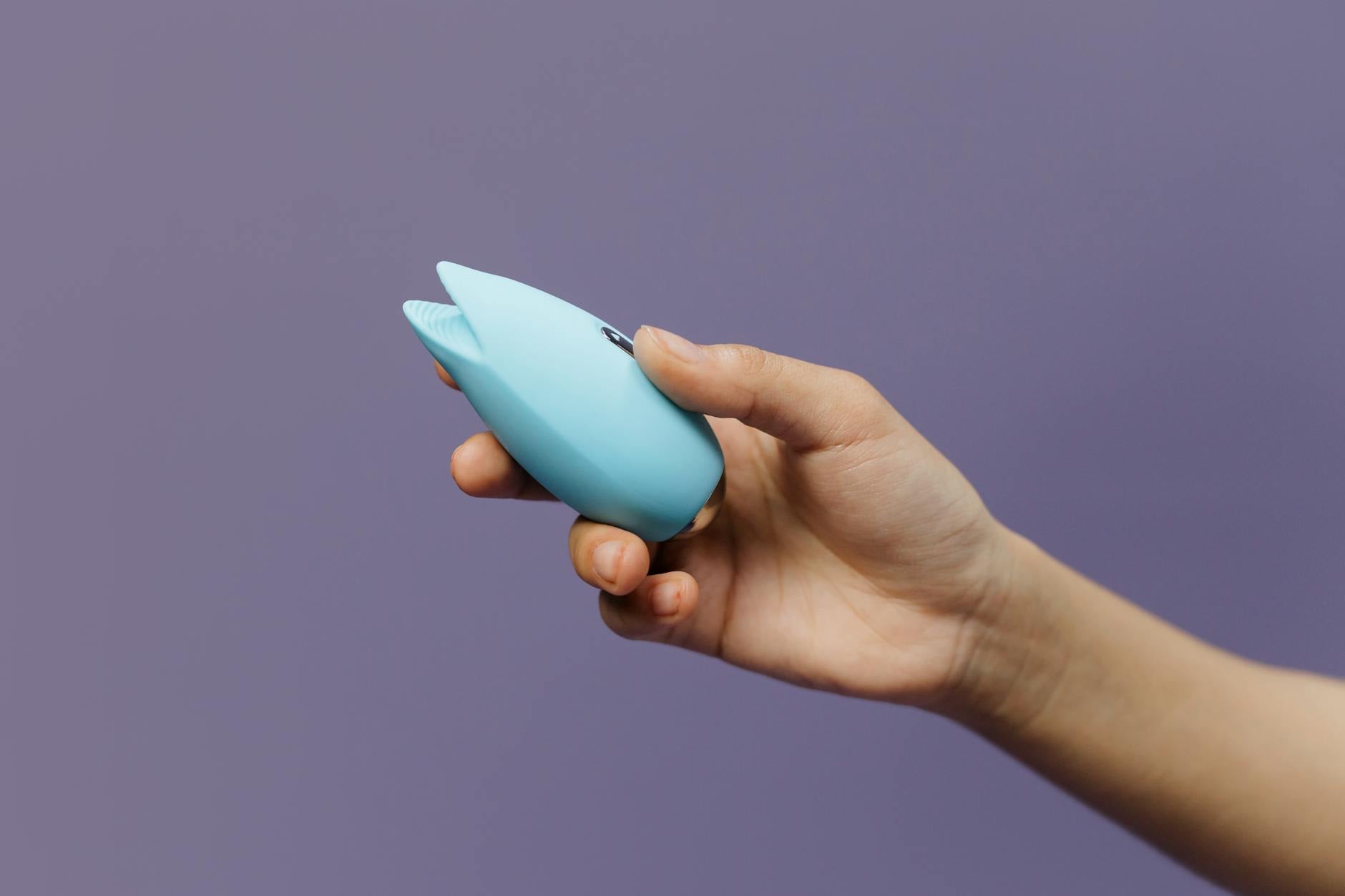
Photo by cottonbro studio on Pexels
How lemon vibrators adapt better than you'd expect
Unlike traditional vibrators that just buzz harder the higher you go, the Lem's suction-based design works differently. Instead of relying purely on intensity to reach sensation, it creates a gentle pulling motion that stimulates the clitoral nerves without brutal pressure. This matters enormously when estrogen shifts.
When your clitoris is sensitive, you don't need to jack up the power. You need the right pattern and rhythm. The Lem's multiple settings let you dial down to Pattern 1 or 2, which gives you stimulation without overwhelming tissue that's already heightened. When estrogen is low and sensation feels muted, you can shift to Pattern 3 or 4, or try a longer warm-up session to let arousal build before increasing intensity.
In other words, a clitoral vibrator designed with suction gives you more control over how you're stimulated, not just how strong the stimulation is.
The warm-up rule that actually works
When estrogen is low, forget your usual foreplay timeline. Add 10 to 15 minutes minimum.
Lower estrogen = slower blood flow to the clitoris = slower arousal buildup. Your brain might be ready, but your tissue needs time to engorge and become fully responsive. Starting with Pattern 1 on the Lem and spending 5 to 10 minutes there before moving to a stronger pattern gives your nervous system a chance to wake up without triggering frustration.
This is especially true during the week before your period or if you're in perimenopause. The sensation you're chasing isn't hiding. It just needs runway.
Lubricant becomes your secret weapon
When estrogen drops, natural lubrication decreases. This isn't about being "not ready." It's pure biology. Using a water-based lubricant changes everything when you're using a lemon clitoral vibrator during low-estrogen phases.
Lube reduces friction against tissue that's thinner and more easily irritated. It also helps the suction-based design of the Lem work more smoothly, creating better sensation with less mechanical drag. Apply generously before you start. You can always add more mid-session.
Avoid silicone-based lubes if you're using a silicone toy. Water-based is your friend here, and it also rinses cleanly from your vibrator after use.
Pattern cycling: a game changer for hormonal shifts
Instead of jumping straight to your favorite pattern, try this approach when estrogen is fluctuating.
Start at Pattern 1 for 2 to 3 minutes. Move to Pattern 2 for another 2 to 3 minutes. Stay there until you feel arousal building. Then you can escalate to Pattern 3 or stick with Pattern 2 if it's doing the job. The gradual climb allows your nervous system to track sensation instead of jolting into overload.
This cycling approach works whether estrogen is unusually high (and everything feels too intense) or low (and you need patience to reach sensation). You're essentially asking your body to tell you what it needs, one pattern at a time.
Solo exploration reveals your estrogen patterns
The clearest way to understand how estrogen affects your sensation is to explore alone, without performance pressure.
When you're using a lemon vibrator solo, you can notice exactly when sensation shifts happen in your cycle. You might discover that mid-cycle, Patterns 2 and 3 hit perfectly. But days 20 to 26? Pattern 1 feels full and rich, while Pattern 3 feels sharp. That's valuable information. You can map your own estrogen cycle through your pleasure response.
If you're on hormonal birth control or don't menstruate, estrogen is constant (or suppressed, depending on your method). But you might still notice shifts based on stress, sleep, or exercise. Solo sessions help you track those connections without outside variables muddying the picture.
When estrogen fluctuations affect partnered pleasure
If you're having sex with a partner, incorporating the Lem into foreplay during low-estrogen phases can actually simplify things. Instead of struggling to reach sensation through partnered stimulation, a few minutes with your clitoral vibrator during your warm-up phase gets your nervous system online. Then partner play can build from there, with your clitoris already engaged and ready.
Talk about it plainly: "My body needs a different warm-up this week because of where I am in my cycle." That's not a complaint. It's a map. A partner who understands estrogen rhythms stops taking sensation shifts personally and starts seeing them as useful information.
For more on navigating these conversations, <a href="/blog/how-to-use-lemon-vibrators-when-partners-have-different-pleasure-preferences">using lemon vibrators when partners have different pleasure preferences</a> covers how to align on expectations when needs shift.
Stress, cortisol, and estrogen interactions
Here's the plot twist: stress tanks estrogen, and low estrogen makes stress feel worse. High cortisol suppresses the hypothalamic-pituitary axis, which controls estrogen release.
What does this mean for your clitoral vibrator practice? If you've just come through a stressful week or you're in a high-stress season (job deadlines, family chaos), your clitoral sensitivity might be suppressed even if you're not at the predictable low-estrogen phase of your cycle. That's the time to extend your warm-up further, rely on lube, and use lower patterns.
Sleep, exercise, and stress management directly affect your estrogen baseline. A week of poor sleep can make sensation feel flat for reasons that have nothing to do with your actual hormonal phase. Recognizing that helps you adjust your expectations without blaming your body.
The estrogen and orgasm quality connection
Not only does estrogen affect how easily sensation builds. It affects the orgasm itself.
When estrogen is high, orgasms often feel full-bodied, with strong contractions and longer release. When estrogen is low, orgasms can feel more localized, sharper, or shorter. Neither is better. They're just different.
Some people prefer the intensity of low-estrogen orgasms. Others find high-estrogen phases more satisfying. The key is not expecting the same orgasm quality all month. When you understand this variance, you stop panicking that something's wrong and instead get curious about what this month's version feels like.
A lemon clitoral vibrator gives you the same reliable tool across all estrogen phases. What changes is how you use it.
Age, perimenopause, and long-term estrogen shifts
If you're in your 40s or approaching menopause, estrogen doesn't just fluctuate monthly anymore. It trends downward with increased volatility. Some days you feel like your 25-year-old self. Other days, sensation is muted and arousal takes forever.
This is perimenopause, and it's the moment when a clitoral vibrator like the Lem becomes genuinely useful. The suction design works on lower-estrogen tissue without requiring brutal intensity. The pattern variety lets you adapt session to session, week to week. You're not fighting biology. You're working with where your body is right now.
For deeper guidance on navigating this phase, <a href="/blog/how-to-use-lemon-vibrator-for-better-sensation-after-hormonal-shifts-in-perimenopause">using a lemon vibrator for better sensation during perimenopause</a> walks through the full arc of this transition.
The mental shift that makes this easier
Here's the thing nobody frames right: estrogen-driven sensation changes are not problems. They're information.
Your body is telling you something about its current state. Low estrogen doesn't mean you're broken. It means your body is in a different phase, and that phase requires a slightly different approach. That's actually empowering. You get to become an expert on your own rhythms.
Instead of assuming something's wrong when sensation shifts, you can ask: "Where am I in my cycle? How stressed have I been? How's my sleep? What patterns work best right now?" And then you adjust. You're not chasing a gold standard of pleasure that never changes. You're tuning into the reality of your body, which is more interesting anyway.
FAQ: Estrogen, sensitivity, and lemon vibrators
Why does my clitoris feel numb during my period when it's usually sensitive?
Estrogen plummets right before your period, and it stays low through the first few days of bleeding. Lower estrogen means less blood flow to the clitoris and thinner, less responsive tissue. This is temporary and completely normal. Use a lower pattern, spend more time warming up, and use lubricant. Sensation returns as estrogen rises in your follicular phase. You're not permanently numb. You're in a low-estrogen window.
Can hormonal birth control change how my clitoral vibrator feels?
Absolutely. Hormonal birth control maintains a steady (usually lower) level of estrogen, so you don't get the natural monthly spike. This can feel like permanently muted sensation compared to what you felt before birth control. The Lem's lower patterns and pattern-cycling approach work well with consistent lower-estrogen states. If you're wondering whether birth control is the culprit, <a href="/blog/how-to-use-lemon-vibrators-when-sensation-feels-dulled-by-hormonal-birth-control">using lemon vibrators when birth control dampens sensation</a> covers that specifically.
Does caffeine or alcohol affect estrogen and clitoral sensitivity?
Indirectly, yes. Both affect cortisol and liver function, which impact how estrogen is metabolized. High cortisol suppresses estrogen. Excessive alcohol stresses the liver, which detoxifies estrogen. So if you've just had a stressful week plus a few drinks, your clitoral sensitivity might dip more than usual. It's not permanent, but it's real. Hydration, sleep, and lower vibrator patterns help you navigate these phases.
What's the difference between estrogen-related sensitivity loss and other causes?
Estrogen-related changes follow a pattern: they're cyclical or they shift with life stages (puberty, pregnancy, perimenopause, post-menopause). Sensation feels muted, but orgasms are still possible. It usually improves with warm-up and lubrication. If sensation loss is constant, doesn't follow a cycle, or is accompanied by pain, that's a different issue worth discussing with a healthcare provider. Those are neurological or structural issues, not estrogen-driven fluctuation.
Is it normal for my orgasms to feel different at different times of the month?
Completely normal. Estrogen levels directly affect orgasm intensity, duration, and quality. High-estrogen phases often bring stronger contractions. Low-estrogen phases might feel more subtle or sharper. Neither is better. They're just different experiences. Once you stop expecting the same orgasm every time, you can enjoy the variety.
Can I use the same lemon clitoral vibrator settings all month, or do I need to adjust?
You can keep the same vibrator, but adjusting your approach usually gets better results. Start with the same pattern you'd normally use and notice how your body responds. If something feels off mid-session, it's worth asking whether you're in a different estrogen phase. Then adapt. A lemon vibrator's multiple patterns exist so you have options when your needs shift.
The bottom line
Estrogen is not your enemy. It's not even your saboteur. It's your body's chemistry, and it shifts. Understanding those shifts and having a clitoral vibrator like the Lem that can adapt to different sensitivity levels means you stop fighting your body and start working with it.
Your pleasure matters at every estrogen level. It just might look different in week one than it does in week three. That's not a problem. That's you learning exactly who you are.