Let's name the thing nobody says out loud
After childbirth, sex feels weird. Not weird like "interesting," but weird like "is this still my body?" The tissues change, the nerves feel differently, the timeline feels impossibly compressed between "no touching for six weeks" and "your partner probably wants intimacy again." All of that is normal. None of it means something is broken.
I work with postpartum people constantly, and the most common refrain is isolation. You've heard about depression and physical recovery, but the specific loneliness of not recognizing your own pleasure response? That gets swallowed. Let me be clear: what you're experiencing is real, it's predictable, and clitoral vibrators like the Lem can be part of how you find your way back to yourself.
What actually happens to your body after birth
Childbirth changes tissue density, nerve sensitivity, and blood flow. Swelling eventually subsides, but the vaginal opening widens slightly, the labia may darken or feel different, and the clitoris itself can feel more or less sensitive depending on how the birth went and whether tearing occurred. Internally, the vaginal vault loses some of its rugae (those little textured ridges), and everything feels less gripping, less responsive. Add hormonal drops if you're breastfeeding, and lubrication can be scarce for months.
This is all temporary. But it's not instant. Recovery is measured in seasons, not weeks.
Here's what doesn't change: the clitoral nerves themselves. Even if sensitivity feels muted, the capacity for pleasure is still there. It's just buried under swelling, hormonal shifts, exhaustion, and honestly, the psychological weight of constant vigilance over another human's survival.
Why waiting the full six weeks matters (and what to do after)
The six-week clearance from your OB/GYN isn't arbitrary. It's when the wound that is your placental site has healed enough that introducing anything into the vagina won't increase infection risk. Before that, external-only approaches work. After that, you have options.
But here's the plot twist: clearance doesn't mean you're ready. You might be physically safe and still feel utterly disconnected from the idea of pleasure. That psychological component matters more than anyone tells you. Some people need another two weeks. Others need two months. The timeline is yours.
When you do want to restart, begin with your own body. Solo exploration matters more after birth than before, because you're essentially meeting yourself again. You need to know what's different before you involve a partner.
How to use a lemon clitoral vibrator postpartum
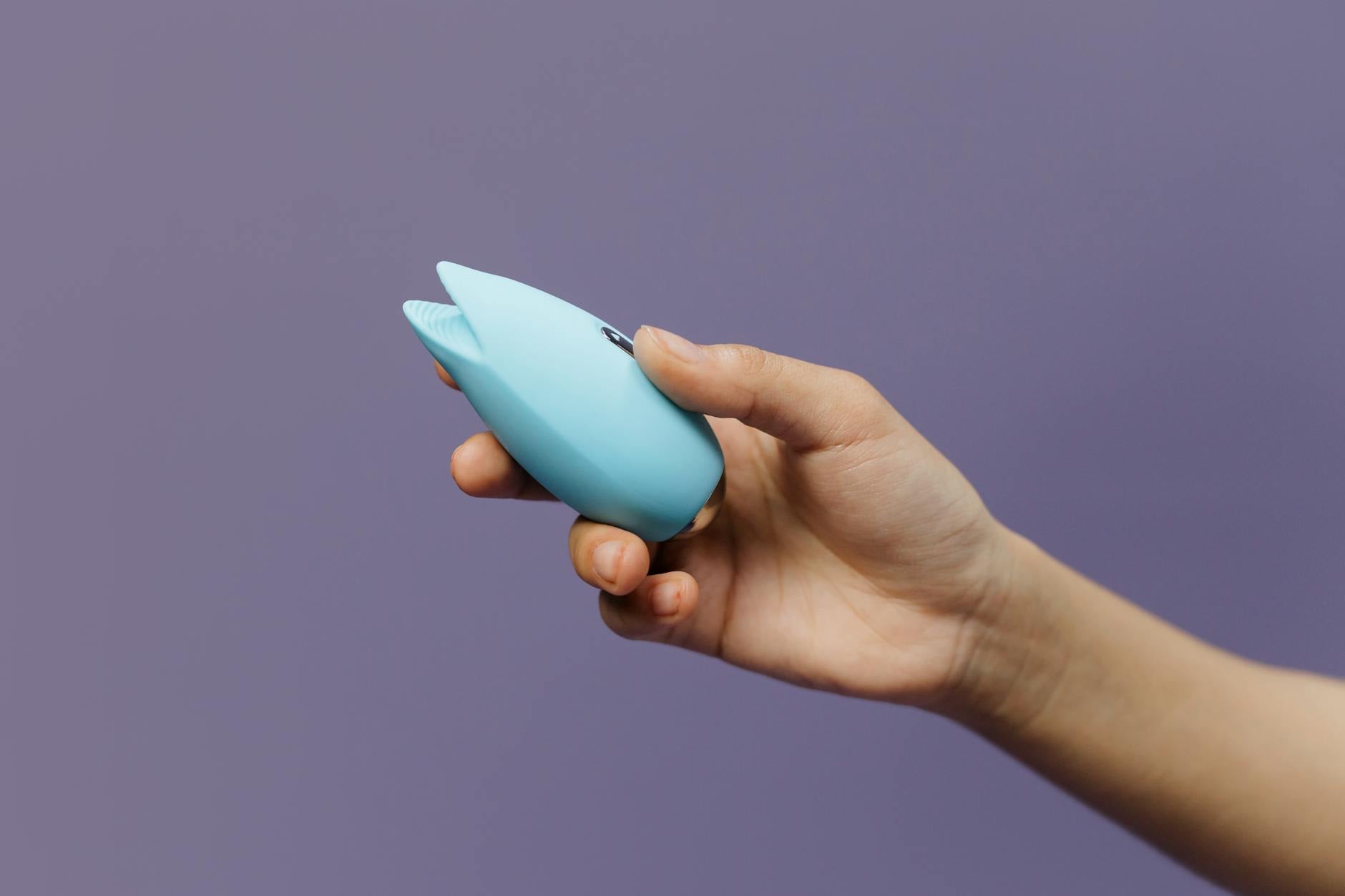
Unlike penetrative toys, clitoral vibrators like the Lem are ideal postpartum because they don't require the vagina to do anything. They work externally, where sensation often returns faster than internally. The suction-based design of the Lem is particularly valuable because it doesn't require direct friction on healing or sensitive tissue.
Three steps to start:
First, set the scene properly. You need time alone without listening for a baby. Thirty uninterrupted minutes is the bare minimum. If that sounds impossible, it probably is right now. That's not failure. That's just where you are. Aim for it when you can, and don't wait for perfect conditions to show up.
Second, go low on intensity. The Lem has different intensity settings. Start at pattern one or two. Your nervous system is flooded with cortisol from constant vigilance. Your tissues are sensitive. Speed and pressure can feel jarring. Slow and steady wins here, and honestly, the slower approach often feels more pleasurable anyway.
Third, give yourself permission to feel nothing. Many postpartum people report that the first few times using a vibrator, sensation feels muted or distant. That's not permanent. It's your nervous system being cautious. Keep the session short, keep expectations zero, and let your body adjust without judgment.
If sensation does come back quickly, great. If it takes six months, also normal. I've seen both.
The mental load is half the problem
Physical recovery is tangible. You can see tissue healing, measure blood loss, track infections. Mental recovery is invisible, which makes it easy to pretend you're fine when you're not. The voice in your head saying "I should want this but I don't" or "my body betrayed me" or "I'm broken down there" is doing real damage to your ability to reconnect.
Before you even touch a vibrator, notice that voice. Sit with it. You don't have to believe it or fix it immediately. Just acknowledge it. Often the simple act of naming the thought starts to loosen its grip.
Many postpartum people also carry guilt about pleasure itself. You're supposed to be grateful, bonded, present. Wanting solo pleasure can feel selfish. It isn't. It's maintenance. It's the same as sleeping or eating. Your nervous system needs reminders that pleasure still exists, especially when your body has been in service to another human for nine months and then the recovery continues for months more.
If you have a partner, consider sharing this. Not to pressure them into doing anything, but so they understand that your disconnection from sex isn't about them. It's about your body's temperature being different, your hormones being different, and you needing to find the familiar in an unfamiliar landscape.
Timing and patience matter way more than you think
The standard advice is "three months and you'll feel like yourself again." It's usually longer. By month three, maybe you feel like your body is stopping screaming. That's not the same as feeling good. Give yourself eighteen months before you expect to feel recognizable.
Some days will feel great. Some will feel like your body belongs to someone else. Both are normal. The Lem vibrator helps bridge those days by offering a consistent source of sensation in an otherwise unpredictable landscape. It's reliable in a way your nervous system probably isn't right now.
One more thing: if pain appears, especially sharp pain, see your OB/GYN or pelvic floor physical therapist. Postpartum pain during sexual activity can signal anything from a healing complication to pelvic floor dysfunction. That's not something to white-knuckle through. It's something to get support for. A good pelvic floor PT will change everything.
When to bring a partner back in
If you have one, that conversation belongs in the daylight, not during a failed attempt at intimacy. The outline is simple: "My body feels different. I need time to explore it on my own first. I'll let you know when I'm ready to try together. In the meantime, here's what I need from you emotionally."
Often what postpartum people need isn't sex, it's non-sexual touch. It's a hand on your back without expectation. A hug that doesn't lead anywhere. Permission to exist in your body without it being a prelude to something else.
When you do want to restart partnered sex, honesty beats bravery. If something feels numb, say so. If depth feels too much, say so. If you need to stop, stop. Your partner probably won't die from waiting. Your nervous system might need the help, though.
Small shifts that ripple outward
Using a Lemon Pleasure Toy vibrator after birth isn't just about achieving orgasm. Some postpartum people reach orgasm quickly and easily. Others don't for a long time. The real work is rebuilding the relationship between yourself and sensation, between your mind and your body, between your sense of yourself as a person and your new identity as a caretaker.
When you spend fifteen minutes with a clitoral vibrator, that's fifteen minutes where your body gets to be just yours. Where sensation matters because it feels good, not because it serves anyone else. Where you're gathering data about what works now, in this new configuration. That's profound, even if nothing dramatic happens.
Start where you are. Use what you have. Go as slow as you need. Recovery isn't linear, and neither is the return to pleasure. But it does return. You don't have to wait for everything to feel "normal" again. You can start building normal right now.
People also ask
How long after childbirth can I use a vibrator?
After your six-week postpartum clearance from your OB/GYN, it's physically safe to use an external clitoral vibrator. That said, physical safety and emotional readiness are different things. Some people are ready at week six. Many aren't until month four or later. There's no timeline. The Lem works externally, so it doesn't require internal healing. Start when you want to, not when you think you should.
Will using a vibrator help me feel sensation that feels numb right now?
Often, yes. Consistent, gentle stimulation can help wake up nerve endings that feel asleep. But numbing is also sometimes your nervous system protecting itself. If you use a clitoral vibrator and feel nothing even at higher intensities, that's worth mentioning to your pelvic floor PT. It might signal pelvic floor dysfunction or hormonal impacts that need direct support alongside pleasure exploration.
Is it normal to feel guilty about wanting pleasure after having a baby?
Completely normal. Postpartum guilt is layered and strange. Your body has been through something massive, and wanting it to feel good can feel indulgent when you're supposed to be grateful and present. You can be both. Pleasure is part of healing. It's part of remembering yourself. Taking fifteen minutes for your own body isn't stealing from your baby. It's maintenance.
Can I use a lemon vibrator if I'm breastfeeding?
Yes. Breastfeeding does lower estrogen and can affect lubrication and arousal, but using an external clitoral vibrator won't interfere with milk supply or safety. Water-based lubricant can help if sensitivity feels painful. If arousal feels completely flat, that often returns after weaning or as your hormones rebalance. It's not permanent, even though it feels that way.
What if my partner wants sex and I don't?
Honesty first. "I'm not there yet" is a complete sentence. If your partner is pushing, that's a separate conversation, maybe one worth having with a couples counselor. Postpartum is a season where your needs come first. Full stop. A partner worth keeping will understand that your body's recovery and your nervous system's healing aren't on anyone else's timeline.
Will sensation eventually feel like it did before birth?
Probably different, maybe better. Birth changes your body. That doesn't mean it's worse. Many people report that postpartum pleasure, once it returns, feels more intense or more present because they're so much more aware of what their body can do. Others say it takes on a different quality. You're not going back to before. You're moving forward into after. That can be surprisingly good.