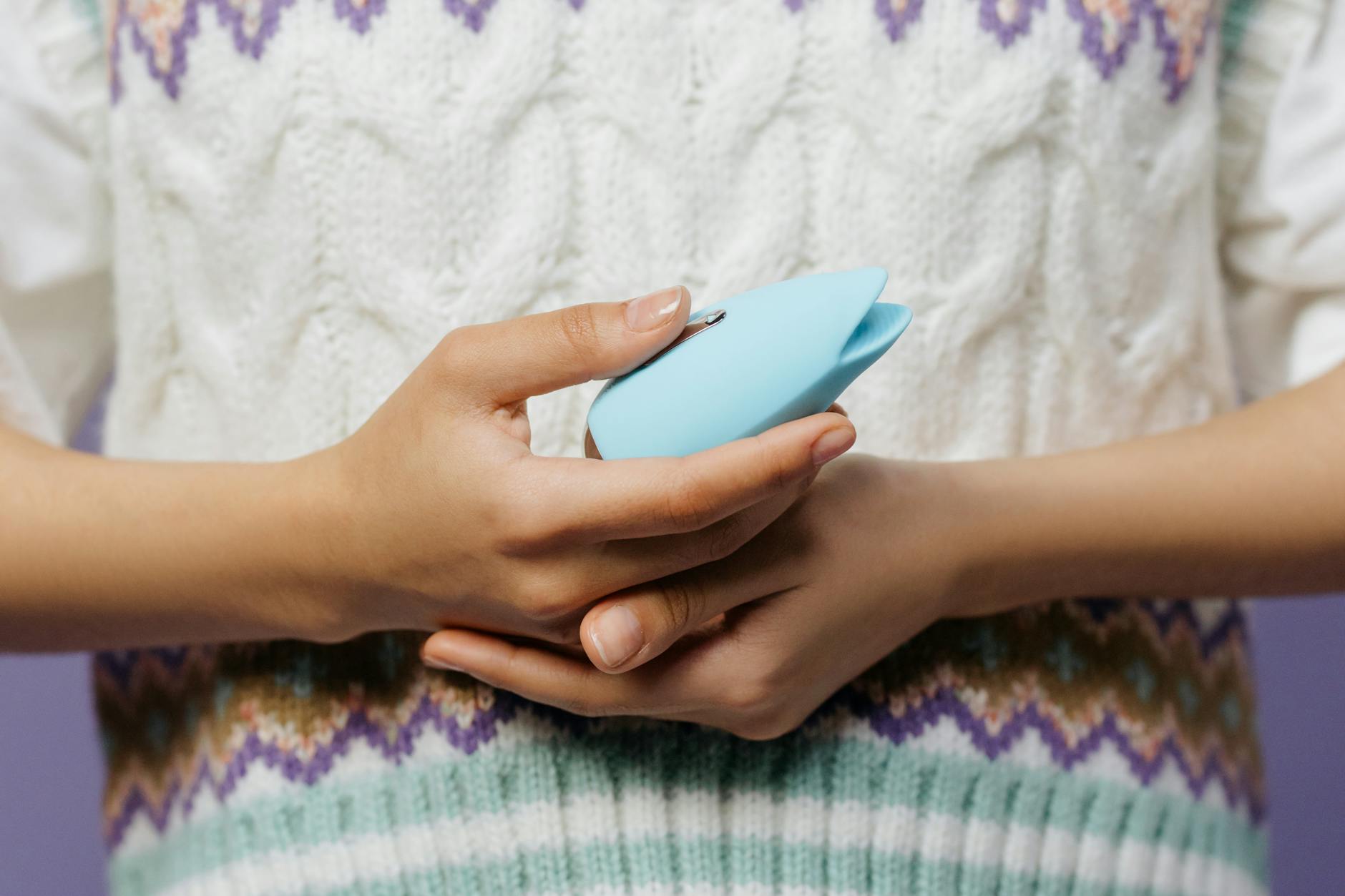
How to Use Lemon Vibrators When Rebuilding Physical Affection After Depression
Let's be real. Depression doesn't just make you sad. It anesthetizes you. Your body stops sending signals. Touch feels distant, like you're perceiving it through thick glass. Desire vanishes. And when you start to climb out, the idea of rebuilding that connection to your own pleasure and your partner's touch can feel impossible, or worse, like one more thing you're failing at.
Here's what matters: you're not broken. Your nervous system went into survival mode. Lemon vibrators aren't a magic fix, but they are a remarkably gentle tool for teaching your body that sensation is safe again. And that matters.
Why Depression Kills Physical Sensation
Depression changes how your brain processes reward. Dopamine drops. The signals that make touch feel good get muted. Your body might respond mechanically, but the felt sense of pleasure—the thing that makes intimacy feel alive—goes quiet.
This happens to the most sexually confident people. It's not about your desire or your relationship. It's about your nervous system being in defense mode. When your brain is tracking threats (exhaustion, sadness, rumination), it doesn't have bandwidth to register pleasure.
The good news: this is reversible. But it requires patience, and it helps to have something gentler than expectation pulling you back in.
Why Lemon Vibrators Work Better Than Willpower
When you're emerging from depression, willpower won't bring back sensation. Your partner's touch won't automatically feel good again. You need something that bridges the gap—something that isn't relying on your relationship to generate the spark.
Lemon clitoral vibrators offer three things willpower can't:
1. Low-stakes sensation practice. Using a lemon vibrator alone, on your own timeline, removes the pressure to perform or reciprocate. You're not waiting for your partner to want you. You're not worried about disappointing them. It's just your body, learning to feel again.
2. Consistent, controllable stimulation. Depression makes pleasure unpredictable. Lemon sexual toys deliver the same pattern every time. No guessing, no hoping something will work. That predictability helps your nervous system relax into the experience.
3. Rewiring through repetition. Each time you use a lemon vibrator and notice even a small amount of sensation—warmth, tingling, a flutter—you're creating a tiny neural pathway that says pleasure is possible. Repeat that enough times, and your brain starts to believe it again.
Starting Slowly: The First Few Times
If you're emerging from depression, don't expect fireworks. Expect to notice small things.
Pick a quiet time when you have privacy and zero expectations. No "I should have an orgasm by the end of this." No timeline. Set a timer for 10 minutes if that helps you feel permission to stop whenever.
Start with your lemon vibrator on the lowest setting. Not because high intensity is bad, but because your nervous system needs to recognize touch as safe first. Pleasure comes later. Right now, sensation itself is the goal.
Try this: hold the vibrator near (not directly on) your clitoral area. Feel the vibration. Notice if anything shifts. You might notice warmth. You might notice nothing. Both are fine. You're not failing. You're waking up a part of yourself that's been asleep.
When to Move Beyond Solo Sensation
Once you've used your lemon vibrator alone a few times and it starts to feel comfortable, you might be ready to bring it into partnered sex. That's not mandatory. Some people need weeks or months of solo play before they're ready to share it. Honor that.
When you do introduce it, tell your partner exactly what you need: "I'm using this to help myself come back to pleasure. It's not about you being not enough. It's about me rewiring something that depression disconnected." That conversation is the real intimacy. The vibrator is just a tool.
Using Lemon Clitoral Vibrators With Your Partner Present
Let your partner know what you're doing and why. If they can hold space without trying to fix it or take it personally, that's golden. If they're not there yet, that's information too—and maybe something worth exploring with a therapist together.
You might use your lemon vibrator while they touch you elsewhere. You might use it while they watch. You might use it inside your body while they're inside you. There's no hierarchy here. The goal is to let sensation build without pressure.
Depression disconnects you from pleasure. Rebuilding that connection is an act of self-advocacy, not an act of failure.
If you notice that using a lemon clitoral vibrator brings you closer to orgasm when your partner's touch alone doesn't, that's useful data. It doesn't mean your partner is failing. It means your nervous system needs a specific type of input right now. That can change. Many people find that once their depression lifts and their nervous system settles, they need less external stimulation. Or they don't. Either way is normal.
The Medication Wild Card
Some antidepressants and anti-anxiety medications kill sexual sensation as a side effect. If you're on something that does this, a lemon vibrator won't fix the underlying issue—but it can help you stay connected to pleasure while you're figuring out your medication strategy. Talk to your prescriber about whether a dosage change or a switch might help. In the meantime, don't just accept numbness. Keep exploring.
When Progress Doesn't Feel Linear
You'll have days when using your lemon vibrator feels like it's working, and days when it doesn't. That's not backsliding. That's depression healing in waves. Keep going. Some days your body will surprise you with sensation. Some days it will feel distant again. Both are okay.
If you notice that after several weeks of using a lemon vibrator, you're still feeling completely numb, talk to your mental health provider. That might mean your current treatment isn't working, or you need additional support. Pleasure returning is a sign your nervous system is stabilizing—but it's not the only sign.
The Relationship Reset
Rebuild physical affection slowly. Holding hands. Kissing without expectation of anything more. Being in your partner's arms while you're using your lemon vibrator, so they're involved but not performing. These micro-moments of touch are how you teach your nervous system that connection is safe again.
If your relationship broke under the weight of depression, rebuilding might mean separate beds for now, or lots of talk about what went wrong. That's not a failure of intimacy. That's a realistic step toward rebuilding it. Some relationships come back stronger from that kind of honesty. Some don't. But at least you're moving toward authentic reconnection instead of forced performance.
Getting Back to Desire
Sexual desire isn't something you can will into existence when depression has killed it. But you can create the conditions for it to return: safety, predictability, pleasure without pressure, and the knowledge that your body is being honored, not coerced.
A lemon vibrator does that work. So does therapy. So does time, and medication adjustment, and honest conversations with your partner. Use all of it.
You're not broken. You're rebuilding. And that's something to be gentle with yourself about.
FAQ: Rebuilding Intimacy After Depression
How long does it usually take for sensation to come back after depression?
There's no universal timeline. Some people notice shifts within weeks of starting treatment and exploring solo pleasure. Others need months. It depends on depression severity, medication, stress levels, and how long you were depressed. The point isn't speed—it's consistency. Regular gentle exploration (even 10 minutes weekly) compounds faster than occasional intense attempts.
Can I use a lemon vibrator if I'm still depressed?
Yes. You don't need to wait until you're "better." Using a lemon vibrator while you're in the process of recovery can actually help rewire those dopamine pathways. The key is zero pressure. You're not using it to fix depression. You're using it to maintain a small thread of connection to pleasure while everything else heals.
What if my partner feels threatened by my use of a lemon vibrator?
That fear is real and common, but it often comes from insecurity, not logic. A lemon clitoral vibrator isn't replacing them. It's helping you come back to your own body so you can show up more fully in your relationship. Have the conversation early and honest. If they can't move past the threat, that might point to a bigger relationship issue worth exploring with a couples therapist.
Should I tell my therapist I'm using a lemon vibrator?
If you have a sex-positive therapist, absolutely. It's relevant clinical information. If your therapist is judgmental about sexuality, you might consider whether that's the right fit for this part of your healing. A good therapist should be supportive of any tool that helps you reconnect to your body and pleasure.
What if I use my lemon vibrator and feel nothing at all?
That's not failure. Your nervous system is still in recovery mode. Keep using it without expectation. Sometimes sensation returns suddenly, not gradually. Sometimes people notice emotional shifts before physical ones—a sense of being slightly more present, or less numb. That's progress. Honor it.
Is rebuilding physical affection the same as rebuilding sexual desire?
No. Physical affection (touch, holding, kissing) can come back before sexual desire does. And that's fine. Rebuild at the pace your body sets. You might reconnect to pleasure through a lemon vibrator before you're ready for partnered sex. Or you might reconnect to cuddling first, and toys later. Both paths are valid.
A Note on Patience
Depression teaches your body that the world isn't safe. Pleasure is a sign of safety. Rebuilding pleasure is rebuilding trust in your own nervous system. That takes time. It takes tools like lemon vibrators. It takes conversations and therapy and medication that actually works. It takes patience with yourself when progress stalls.
You're not failing. You're coming back. And that matters.