Here's the thing about solo pleasure
You don't need a reason. You don't need permission. You don't need to justify it to anyone, ever. And yet most people who explore solo play spend more mental energy on the apology than on the actual pleasure.
That's what I want to unpack here. Because using a lemon vibrator solo isn't a consolation prize when you don't have a partner. It's an entirely different experience with its own depth, rhythm, and rewards. And it's wildly underestimated.
Why solo play is its own thing entirely
When you're alone with a lemon clitoral vibrator, three shifts happen at once. First, there's no external rhythm imposed on you. You control the speed, the intensity, the pressure, the break. You're not syncing to someone else's pace or managing their experience. Second, there's no performance energy. Your brain isn't splitting focus between sensation and wondering how you look or sound. Third, you can actually follow what happens inside your body instead of steering it toward a predetermined finish line.
This isn't better or worse than partnered pleasure. It's different. And for many people, it's where they find out what their actual preferences are, not what they think they should prefer.
Solo practice with lemon vibrators also builds something concrete. You're gathering data about your body's responses. What rhythm makes your nervous system open? How much pressure before it becomes too much? How long is your realistic warm-up window? What patterns repeat? This information becomes currency in any future partnered situation, but more importantly, it makes solo sessions incrementally richer.
Setting up your solo space (this matters more than you think)
I'm not going to tell you to light candles or play mood music unless that actually works for you. But I will say this: your environment signals to your brain whether you're doing something stolen and rushed, or something you're claiming as legitimate.
Claim it. Set a window of time. Tell yourself you have the next hour, or 30 minutes, or whatever you can actually protect. Close the door. Put your phone across the room. You're not sneaking around in your own body.
Temperature matters. You'll warm up physically, so start cool. Comfort matters. A pillow under your hips, your back supported, your knees open. Practical stuff. Not romantic stuff.
One more thing: have water nearby and a small towel. This removes friction between "almost there" and "actually getting there" because you're not worried about mess.
The warm-up phase with lemon vibrators
Here's where most people skip important steps. They pull out a lemon vibrator at max intensity and wonder why the sensation feels flat or uncomfortable.
Your body needs transition time. Think of it like a radio warming up instead of snapping on. Give yourself 5-15 minutes of touch before you touch the vibrator at all. Explore your neck, collarbones, inner thighs, the inside of your wrists. This isn't foreplay with a goal. It's literally warming up your nervous system.
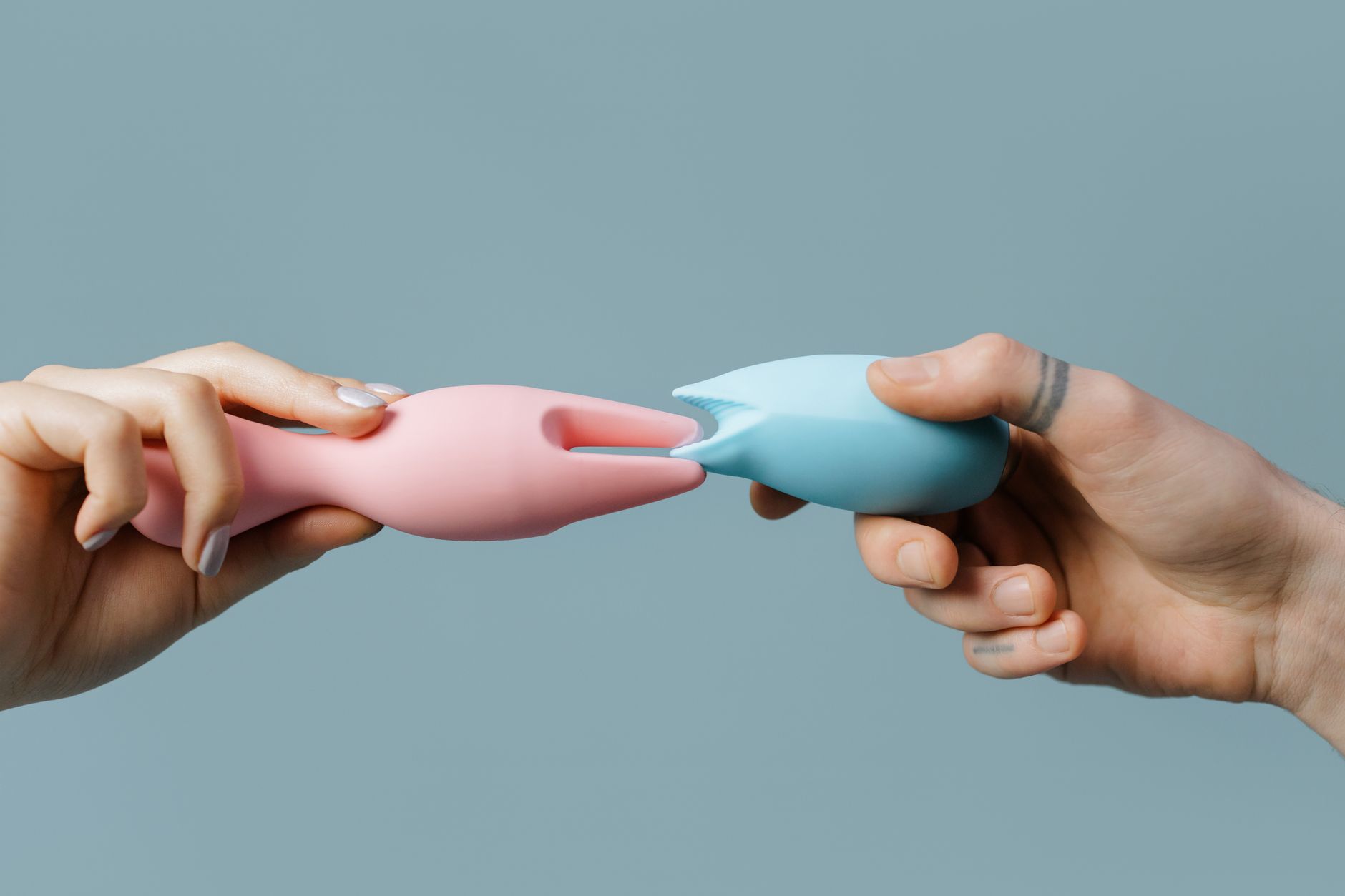
When you do reach for a clitoral vibrator, start at pattern 1 or 2. The Lem vibrator, for example, has a range. Spend a minute or two at the lowest setting. Let your body respond. Notice what happens. This isn't about rushing to sensation. It's about actually feeling the sensations you're creating.
If you've used lemon sexual toys before, you know that clitoral vibrators hit differently depending on angle and pressure. Experiment. Angle the vibrator slightly off-center. Pull back slightly so it's not directly on the clitoris but near it. Some people find a small movement side-to-side feels better than static pressure.
You're building a relationship with the device. This takes time.
The plateau phase: where things actually deepen
Once you've ramped up intensity, you might expect a linear climb toward orgasm. That's not how pleasure usually works. Instead, you'll hit a plateau. Your body adjusts. The sensation feels less intense than it did at minute five. This is normal. This is not a signal to turn it up.
Instead, pause. Back off the intensity. Try a different pattern or angle. Let your body re-calibrate. Often this creates a deeper response than just hammering one setting the whole time.
For people using a lemon clitoral vibrator specifically, the suction-style stimulation often creates a building phase that lasts longer than traditional vibration. Your body's response deepens gradually. There's a temptation to assume you're "stuck" when actually you're just in a slow-building phase. Patience here is where solo play gets good.
Managing your nervous system when solo
Here's something almost nobody talks about: when you're alone, your brain can spiral into performance pressure. "Am I taking too long? Should I be further along by now? Why isn't this working?"
That voice is the enemy of pleasure. When you notice it, literally pause. Take three slow breaths. Remind yourself there is nowhere to be and no timeline. You're exploring. Not performing.
If you find your mind spinning even with intentional pauses, try this: narrate what you're noticing without judgment. "My breathing is shallow. My legs are tense. The left side feels more sensitive than the right." You're just collecting information, not grading the experience.
Some people find it helpful to set a phone timer for the total duration you've allocated. Knowing you have, say, 45 minutes removes the question of whether you're taking too long.
The pattern variation that changes everything
One thing I've learned from talking to hundreds of people about solo play with lemon vibrators: variation is where the deepest pleasure lives.
Instead of chasing one consistent state, try this rhythm: 3 minutes at a pattern, then pause for 10-15 seconds (this pause is weirdly powerful—your nervous system recalibrates), then return. You can also shift patterns entirely. Some clitoral vibrators, like the Lem, have multiple patterns. Spend 2-3 minutes on each. You're mapping your body's responses.
Many people also find that stopping just before they think they might orgasm, then returning after a pause, creates a much stronger release when it finally happens. This isn't a "trick to make it better." It's about following your body's actual rhythm instead of pushing toward a predetermined finish.
Solo play and emotional texture
I want to name something that often gets missed: solo pleasure isn't emotionally neutral. It can be grounding. It can be energizing. Sometimes it's genuinely playful. Sometimes it's therapeutic. The same session with a lemon vibrator might feel completely different depending on your mood, your stress level, what happened earlier in the day.
That's fine. You're not aiming for consistency. You're aiming for honesty.
If you sit down intending to explore solo with a clitoral vibrator and it doesn't feel good, you can stop. No guilt. No obligation to finish. You tried. Your body said no. That's data.
Conversely, if you find yourself wanting solo sessions more than partnered sex, that's not a flaw. It's information. Maybe partnered situations need something different. Maybe you need more solo time to actually know what you want before trying to communicate it with someone else. Maybe solo play is genuinely your preferred practice and you want a partner who respects that.
The logistical stuff that actually matters
Clean your lemon vibrator before and after. Use warm water and mild soap, or follow the care instructions that came with your device. Let it air dry. This is maintenance, not a mood killer.
Store it somewhere you don't have to hide it. In a nightstand drawer, in a small bag, anywhere it's accessible and secure. The less you're managing shame about the object itself, the more you can actually focus on sensation.
Battery or charge level: check it before you start. Nothing kills a solo session faster than the vibrator dying halfway through. Keep it charged or replace batteries regularly.
Lubricant: water-based lube can enhance sensation without changing how the device functions, though many people find a lemon clitoral vibrator works perfectly fine without it. Experiment.
Timing: some people find early morning best. Some prefer evening. Some find mid-week has a different texture than weekend solo time. Build awareness of when your body tends to feel most open and responsive. That doesn't mean you only explore then, but it's useful information.
Building a solo practice, not just solo sessions
The difference between "I masturbate sometimes" and "I have a solo practice" is intention. A practice means showing up regularly. Even when you don't think you "need" it. Even when you're not sure it'll be good.
Consistency with lemon vibrators or any clitoral vibrator builds something in your nervous system. Your body learns it's safe to open. Your sensitivity often increases. Your sense of what feels good sharpens. This is what people mean when they talk about "building arousal." It's not building toward orgasm every time. It's building capacity.
Many people who start a regular solo practice find that their orgasms change over time. They become more varied. Sometimes subtle. Sometimes intense. The pressure to reach a specific finish line often decreases, which paradoxically makes the whole thing more satisfying.
I recommend treating solo exploration with the same respect you'd give a physical practice like running or yoga. It's not frivolous. It's you taking care of your own nervous system and your own body. That deserves time.
When to reach out for support
If solo play with lemon vibrators leaves you feeling worse afterward, that's worth examining. Sometimes that's just misaligned timing. Sometimes it's lingering shame or discomfort with your own body. A therapist trained in somatic work or sexual health can help you unpack that.
If you're struggling with something specific—difficulty orgasming, pain during exploration, dissociation—there are practitioners who specialize in this. Your GP can point you toward someone, or reach out through your healthcare provider.
If you want to talk through how to integrate solo exploration with a partner later, we can help. Solo practice isn't a secret. It's actually clarifying information you can eventually share.
FAQ
How often should I use a lemon clitoral vibrator for solo play?
There's no "right" frequency. Some people explore weekly. Some daily. Some few times a month. What matters is that it feels good to you, not pressured. If you're using it to avoid something else—emotions, connection, rest—that's worth noticing. But if it's part of a healthy rhythm? Do it as often as feels natural.
Can solo play with lemon vibrators affect how I experience pleasure with a partner later?
Absolutely. Most of the time in positive ways. You learn your body. You build awareness of what feels good. You practice being responsive to sensation. All of that carries forward. The only risk is if you or a partner get weird about it, which is a communication issue, not a pleasure issue.
Is it normal to feel nothing my first time using a clitoral vibrator solo?
Completely normal. Your body might be tense. Your mind might be in your head. The pressure to "get it right" kills sensation. Try again another day with zero expectations. Sometimes it takes a few sessions before your nervous system relaxes enough to actually feel anything.
What if I can only orgasm with a vibrator and not without one?
That's not a problem. That's your body telling you something about what works for you. Some people need consistent stimulation. Some people have bodies that respond to vibration in particular ways. This doesn't mean anything is broken. It means you know what works, which is actually rare information.
Can I use lemon sexual toys with a partner if I've been using them solo?
Yes. Many couples find that adding a clitoral vibrator to partnered sex changes things in good ways. The key is talking about it first, not surprising someone. Some partners love it. Some feel intimidated initially. Communication matters more than the toy.
How do I know if I'm spending too much time on solo play?
If it's replacing things that matter to you—work, rest, connection, other parts of your life—that's worth examining. But solo pleasure isn't an escape hatch. It's part of a balanced life. If it's genuinely balanced and you're happy, there's no "too much."