Here's the guilt you probably don't need
A lot of people who come to my practice say the same thing when we talk about solo pleasure: "But I have a partner." As if the two are mutually exclusive. As if exploring your own body somehow means you're rejecting theirs.
It doesn't. And honestly, the opposite is usually true.
Solo exploration with tools like lemon vibrators isn't a substitute for partnered sex. It's groundwork. It's how you figure out what actually feels good, what rhythm works for your body, and what you want to ask for. Then you bring that knowledge back to the relationship.
Why your brain is spinning a guilt story
Three layers to this one.
Layer one: cultural messaging. Women especially are raised to believe pleasure is something that happens to you or with someone. Self-directed pleasure can feel transgressive, even though it's completely normal and healthy. Men have fewer cultural hooks around this, but partners often feel territorial about sex regardless of gender.
Layer two: the pressure myth. Some people worry that solo sex means they're not satisfied with their partner. So they avoid it to prove loyalty. This backfires. When you never explore alone, you end up pressuring your partner to be your only source of pleasure. That's a heavy load to carry, and it actually damages relationships.
Layer three: privacy and shame tangles. If you grew up in an environment where sexuality was shameful or hidden, solo exploration can feel wrong even now. Your body's saying yes, but your nervous system hasn't caught up. That's real, and it takes time to untangle.
What actually happens when you reclaim solo pleasure
I see this shift in clients repeatedly. When someone starts exploring their own pleasure without guilt, three things shift.
First, anxiety about sex drops. You stop wondering if you're "enough" or if there's something wrong with your body. You've checked. You know what works. That grounds you.
Second, you stop performing. A huge amount of partnered sex involves unconscious performance. You're managing their pleasure, their pace, their orgasm. When you practice solo, you remember what pleasure feels like when nobody's watching. Then you bring that authenticity back.
Third, your sex drive often increases. Not because you're more horny, but because sex feels like something you choose, not something you owe. That changes everything.
How lemon vibrators fit into this
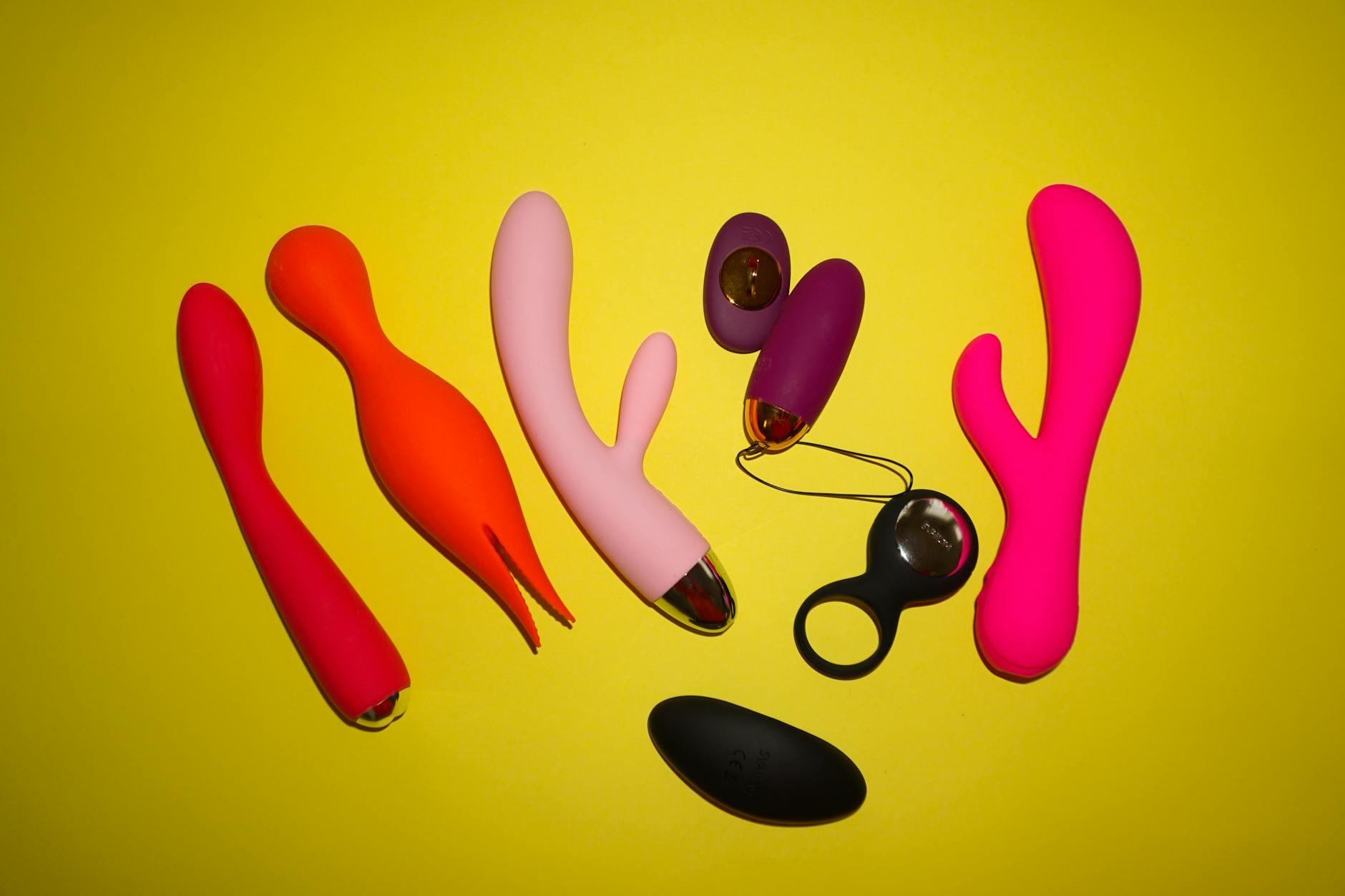
Clitoral vibrators like the lemon tools are particularly useful for solo exploration because they're direct and effective. You're not guessing if something's working. The suction-based design gives you immediate feedback. You can experiment with intensity levels, patterns, duration. You learn quickly.
That efficiency matters when you're building confidence. You get results, which reinforces the behavior, which makes it easier to do it again. Over time, you're not exploring because you "should." You're doing it because you know how it feels and you want it.
The other thing lemon sexual toys do well is normalize the tool itself. If you're using a lemon clitoral vibrator, it's not mysterious or taboo. It's a straightforward device. That simplicity matters psychologically. You're not making it weird by using it. You're just taking care of yourself.
The conversation you might need to have with a partner
If you're partnered, transparency helps. Not oversharing, just clarity.
Something like: "I want to spend more time exploring what I actually enjoy. This isn't about you being not enough. It's about me knowing my body better so our sex is better." That's usually enough. Most partners, once they understand it's not about them, are relieved.
If a partner resists, that's information too. It might mean they have their own insecurity or control issues to work through. That's not your responsibility to fix, but it's worth noticing. Healthy partnerships include space for individual exploration. If that's being denied, the problem isn't your vibrator. It's something deeper.
For people who are single, this is simpler. Solo pleasure is just part of your sexuality. You're not negotiating anyone else's feelings. You're just taking care of yourself, which is always allowed.
Starting without pressure or performance
Here's how I usually recommend beginning.
Set a low bar. Don't aim for orgasm on the first few tries. Aim for five minutes of exploration. See how the lemon lem vibrator feels at different settings. Notice what your body responds to. That's the whole mission.
Pick a time when you have actual privacy and aren't rushed. Pleasure doesn't happen on a schedule, and you don't need to be efficient. Twenty minutes where you know nobody will interrupt beats five rushed minutes where you're anxious about being caught.
Start with lower intensity. Most lemon adult toys have multiple settings. Begin at level one or two. You can always turn it up. You can't unknow how overwhelming level six feels if you jump there immediately.
Let your mind wander. You don't need to be thinking about specific fantasies or performance. Some of the best solo experiences happen when you just notice what your body's doing without commentary.
Quit while you're still enjoying it. You don't have to reach an orgasm for it to be valuable. Sometimes the best exploration ends in pleasure without climax. That's still information.
What happens when guilt tries to come back
It will. Old stories have momentum.
When you're in the middle of solo exploration and that voice starts in ("This is selfish," "Your partner should be enough," "This is wrong"), you have a choice. You can believe the voice, or you can notice it and keep going.
I usually recommend the second. Notice the thought like you're observing weather. "There's guilt. How interesting. I'm continuing anyway." It doesn't go away immediately, but over time, your nervous system learns that solo pleasure is safe. The guilt loses its grip.
If it's really persistent, talk to a therapist. Sometimes this guilt is rooted in trauma or very deep messaging, and it needs more than a pep talk. That's completely fine. Getting support is also self-care.
Why this matters for your relationship, not against it
Maybe this is the most important part.
When you know your own pleasure, your partner doesn't have to guess. You can ask for what you want. You can also receive pleasure without needing them to fix you or make you feel whole. That's a totally different dynamic. You're two people who want each other, not two people who need each other to be functional. The sex is usually better. The intimacy is usually deeper. The pressure is gone.
Solo exploration isn't a threat to partnership. It's the foundation of healthy partnership. You're learning to take care of yourself first. Then you show up to the relationship more grounded, more present, and more able to actually connect.
A lemon clitoral vibrator isn't about replacing your partner. It's about completing yourself so partnership can be what it's supposed to be. Choice, not necessity. Desire, not obligation. That's what changes everything.
FAQ: Solo pleasure without the spiral
Is it normal to want solo pleasure even if you're in a satisfying relationship?
Completely. Solo sex and partnered sex activate different things neurologically. Partnered sex involves coordination, communication, responsiveness to another person. Solo sex is just about you. Both matter. Both are healthy. Many therapists actually recommend that people in long-term relationships maintain a solo practice because it keeps you connected to your own desires and reduces pressure on your partner to be your only source of pleasure.
How often should I be exploring solo if I'm partnered?
There's no "should." Some people do it weekly. Others monthly. Listen to your body. If you're having solo pleasure more than partnered sex and you're in a relationship where partnered sex was previously regular, that might signal something (stress, disconnection, medication changes). But wanting both? That's normal and healthy.
What if my partner feels threatened when I mention solo pleasure?
First, stay calm. Their reaction is about their own insecurity, not about you or the lemon vibrator. You can reassure them: "This is about me knowing my body better. It's not about you being not enough." If they continue to resist after you've explained clearly, that might be worth exploring with a couples counselor. Partners who forbid solo pleasure are often controlling about other things too. It's information worth paying attention to.
Can using a lemon vibrator solo actually improve my partnered sex?
Yes. When you know your body's responses, you can communicate what you need. You're not guessing or performing. You're directing. You also feel less anxiety, which makes you more present. All of that translates to better connection and usually better orgasms. The tool itself isn't magic. Self-knowledge is magic.
How do I manage the shame if I grew up in a religious or restrictive environment?
Gently and with patience for yourself. Your nervous system learned that pleasure was wrong. Unlearning that takes time. Start small. Notice the shame without letting it stop you. Consider whether working with a therapist trained in sex-positive work would help. And remember: your body's responses are not sinful. They're human. You deserve to know yourself.
Is solo pleasure less valid than partnered sex?
Not at all. It's different. It teaches you different things. It serves different purposes. Some of my clients report that their most profound pleasure experiences have been solo because there's no performance, no negotiation, no managing someone else's experience. Both matter. Both count.
The permission you don't know you're waiting for
You don't need anyone's approval to explore your own body. Not your partner's, not society's, not mine. But sometimes we need to hear it anyway.
Exploring solo pleasure is healthy. It's normal. It strengthens you. It makes you a better partner. It's not selfish. It's not wrong. It's not a commentary on anyone else.
You deserve to know what feels good. You deserve to have that knowledge and use it. Whether that's with a partner or alone, with a lemon clitoral vibrator or with your hands, regularly or occasionally. Your pleasure matters. Full stop.
Start where you are. Give yourself permission. Notice what happens.