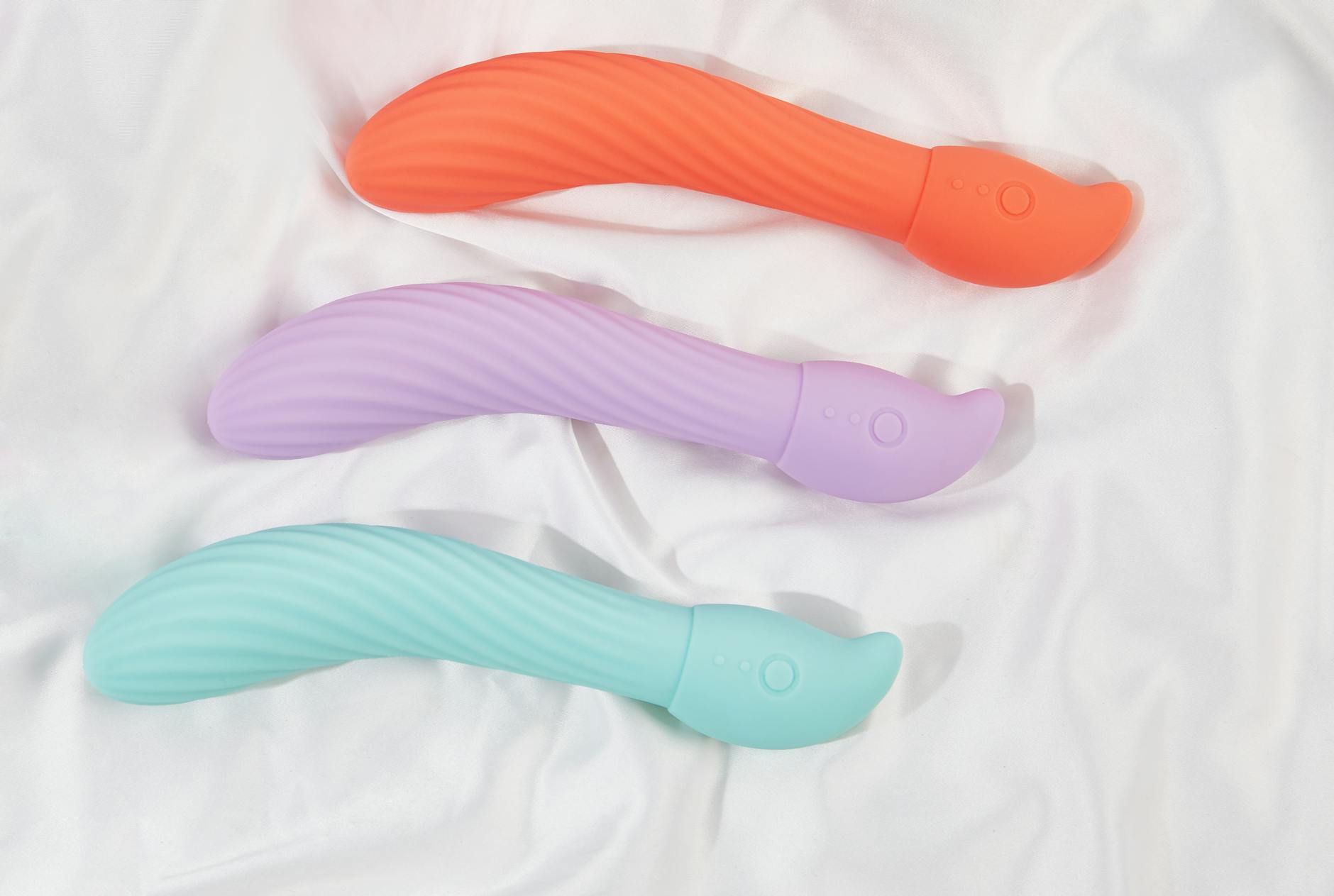
Let's be real about endometriosis and pleasure
If you have endometriosis, you've probably heard that penetration might hurt. You've maybe been told to "just relax" or that the pain is psychological. Both of those things are unhelpful and wrong. Endometriosis is a physical condition where tissue grows outside the uterus, and it causes real, measurable pain. Your nervous system isn't lying to you.
But here's what nobody tells you: focusing on clitoral pleasure instead of penetration can completely change the conversation. And tools like lemon vibrators, which create deep suction without friction, can be the bridge between pain and genuine sensation.
Why endometriosis changes the pleasure conversation
Endometriosis does three things that affect how your body experiences pleasure:
1. Inflammatory rewiring. Chronic inflammation teaches your nervous system to be hypervigilant. Nerve fibers in the pelvic region become sensitized, which means your body perceives stimulation more intensely, sometimes as pain instead of pleasure.
2. Central sensitization. Over time, the brain itself changes. It starts interpreting normal sensation as threatening. This isn't in your head. It's a documented neurological shift that happens with chronic pain.
3. Pelvic floor guarding. Months or years of pain teaches your pelvic floor to clench automatically. This protective mechanism is smart, but it can trap sensation in your body rather than release it.
The result is that traditional vibration, which relies on repeated friction and speed, can feel overwhelming or even painful. That's where the clitoral suction design of a lemon vibrator changes everything.
How suction works differently than vibration
Most vibrators work like this: a motor pulses back and forth, creating repetitive motion against your tissues. For someone with endometriosis, this can trigger the same protective response that pain normally triggers. Your nervous system sees the intensity and says "threat."
A lemon clitoral vibrator works differently. Instead of friction, it uses air-pulse suction that draws tissue gently into a small chamber. The sensation is rhythmic and deep, but without the repetitive friction. Your pelvic floor doesn't interpret it as threatening because it doesn't feel like the pain you know.
This matters neurologically. When your nervous system doesn't perceive threat, you don't automatically tense up. You can actually relax. And when you relax, pleasure becomes possible again.
The game-changing setup for endometriosis
Three things have to happen before a lemon vibrator becomes truly useful:
Start with the lowest settings. Patterns 1 through 3 on the Lem are designed for exactly this. You're not building up to intensity. You're finding the threshold where sensation feels neutral or pleasant, not threatening. Many people with chronic pelvic pain have never experienced that neutral zone.
Build in a real warm-up. Not "five minutes of touching," but 20 to 30 minutes of breathing, gentle external massage, temperature play (warm hands, maybe a heating pad nearby), and time for your nervous system to downshift from defensive mode. Your arousal isn't lazy. Your body just needs time to believe it's safe.
Use external stimulation only at first. The clitoris has between 8,000 and 10,000 nerve endings. All that sensation lives outside your body. For someone with endometriosis, this is the win. You can explore deep pleasure without any internal pressure or friction.
Why lemon vibrators help with pleasure reconstruction
If you've had endometriosis for years, pleasure might feel completely foreign. You may have spent so long managing pain that sensation itself feels suspicious. A lemon clitoral vibrator creates what I call "sensation remapping."
Here's what happens: when you experience pleasure without pain, your nervous system starts to update its threat model. It learns that this specific sensation is safe. Over time, with repetition, your body's baseline relaxes. The hypervigilance starts to ease.
This isn't magical. It's neuroplasticity. Your brain is genuinely rewiring itself through positive sensation. And because a lemon vibrator's suction design feels completely different from the pain you've known, it sidesteps the association altogether.
Photo by Anna Shvets on Pexels
Managing flare-ups and touch aversion
Endometriosis doesn't stay constant. You have good days and flare-up days. On flare-up days, even the thought of touch can feel overwhelming. That's not psychological. Inflammation is actually happening.
On those days, a lemon vibrator can feel like too much. That's okay. Pleasure shouldn't feel like an obligation, especially when your body is actively inflamed. What helps is knowing you have a tool that works when your body is ready.
Some of my clients find that using the lowest settings during milder flares actually helps. The gentle suction seems to ease the sensation of pelvic tension without aggravating inflammation. But only you know your body. If it doesn't feel right, it's not right.
Touch aversion is real with endometriosis. Your partner might feel rejected. You might feel guilty. Neither of you is wrong, but the conversation matters. Say: "My body is inflamed today, and I need to protect it. This isn't about you. Here's what I do need."
When to bring a partner in
If you're using a lemon vibrator solo, pleasure reconstruction is personal and powerful. But if you're in a relationship, the dynamics shift.
Your partner might worry that your pleasure is conditional. They might feel like they're being replaced by a tool. They might also feel helpless watching you manage pain. These are all legitimate feelings that deserve conversation.
The reframe that helps most: "This isn't instead of us. This is how I can feel good with you." That might mean they hold you while you use it. It might mean they create the ritual around it (setting the mood, bringing you water, timing). It might mean they use it on you if that feels right. The tool doesn't define the intimacy. Your intentionality does.
The neurological piece: rewiring pain pathways
Here's something neuroscience confirms but most people don't talk about. When you've had chronic pain for a long time, your brain literally maps pain onto that region of your body. The pelvic floor becomes a pain geography.
Pleasure can remap that geography. Not instantly. Not magically. But when you create new, positive sensory experiences in that same space, your brain updates the map. Over months, the pelvic region stops being solely "the place that hurts" and becomes "the place that can feel good."
This takes time. Six weeks minimum, often three to six months of consistent practice before you notice a real shift. That's not laziness or failure. That's how neuroscience works.
A lemon vibrator's suction design is particularly useful for this because the sensation is so distinct from pain. Your nervous system doesn't mix them up. It treats them as separate signals.
When to get additional support
A lemon vibrator is a tool. It's not a treatment. If your endometriosis pain is severe or getting worse, you need a pelvic floor physical therapist. They can assess whether tension is a primary issue (which the vibrator can help with) or whether inflammation is too high (in which case medical or surgical options matter first).
You might also benefit from talking to someone who specializes in chronic pain and sexuality. Medical trauma is real. If past gynecological experiences have made your body feel unsafe, pleasure reconstruction might need to happen alongside therapy work.
There's no shame in that. It's actually the most honest path forward.
FAQ: Endometriosis and clitoral pleasure
Can I use a lemon vibrator during my period or while I'm in a flare?
During your period, if cramping is mild, gentle suction at the lowest settings can actually feel soothing. But if you're in an active flare, even external stimulation might feel overwhelming. Listen to your body. If it doesn't feel good, skip it. Pleasure shouldn't compete with pain management.
Does a lemon vibrator help with the emotional side of endometriosis too?
Absolutely. Endometriosis often comes with grief, shame, and loss of identity around sexuality. When you experience your body as capable of pleasure again, that's emotionally significant. It's not therapy, but it's part of reclaiming something the condition took from you.
Will a lemon clitoral vibrator help if I've had pelvic surgery for endometriosis?
Maybe, but timing matters. Most pelvic floor physical therapists recommend waiting 6 to 8 weeks after surgery before internal or even external intense stimulation. A lemon vibrator's gentle suction is less aggressive than traditional vibration, but check with your surgeon first. They know your specific procedure.
What if I've tried other toys and they all felt painful?
Your body isn't broken. The shape, intensity, or design of other toys just didn't work for your specific nervous system state. A lemon vibrator's suction-based design is fundamentally different from traditional vibration, which is why many people with chronic pelvic pain report that it feels more accessible. Start at pattern 1. Give it time.
Can endometriosis and pleasure coexist long-term?
Yes. Managing endometriosis means managing inflammation, protecting yourself during flares, and giving yourself grace on hard days. But pleasure isn't off-limits. It looks different than it might have before. It might need more setup, more intention, more rest days. But it's absolutely still possible. You deserve that.
How long before I notice a real difference using a lemon vibrator?
Three to four weeks of consistent use (2 to 3 times weekly) is usually when people start reporting a shift in sensation. Six weeks is when the nervous system rewiring becomes more obvious. But individual timelines vary. Your pelvic floor has its own pace.
You're not broken. Your body is smart.
Endometriosis teaches your body to protect itself. That protection is intelligent. It's also, sometimes, in the way of pleasure. A lemon vibrator isn't a cure for endometriosis. It's a tool for separating pain from sensation, for remapping pleasure onto tissue that's known mostly hurt.
The real work is patience with your body, honesty with yourself about what feels safe, and permission to rebuild pleasure on your own terms. A clitoral vibrator is just the equipment. Your intention is what makes it work.
If you're struggling to reconnect with pleasure after endometriosis diagnosis or surgery, talking to a specialized pelvic floor physical therapist alongside using tools like a lemon vibrator often creates the fastest results. You don't have to do this alone. And you don't have to settle for a life without sensation. You deserve better.