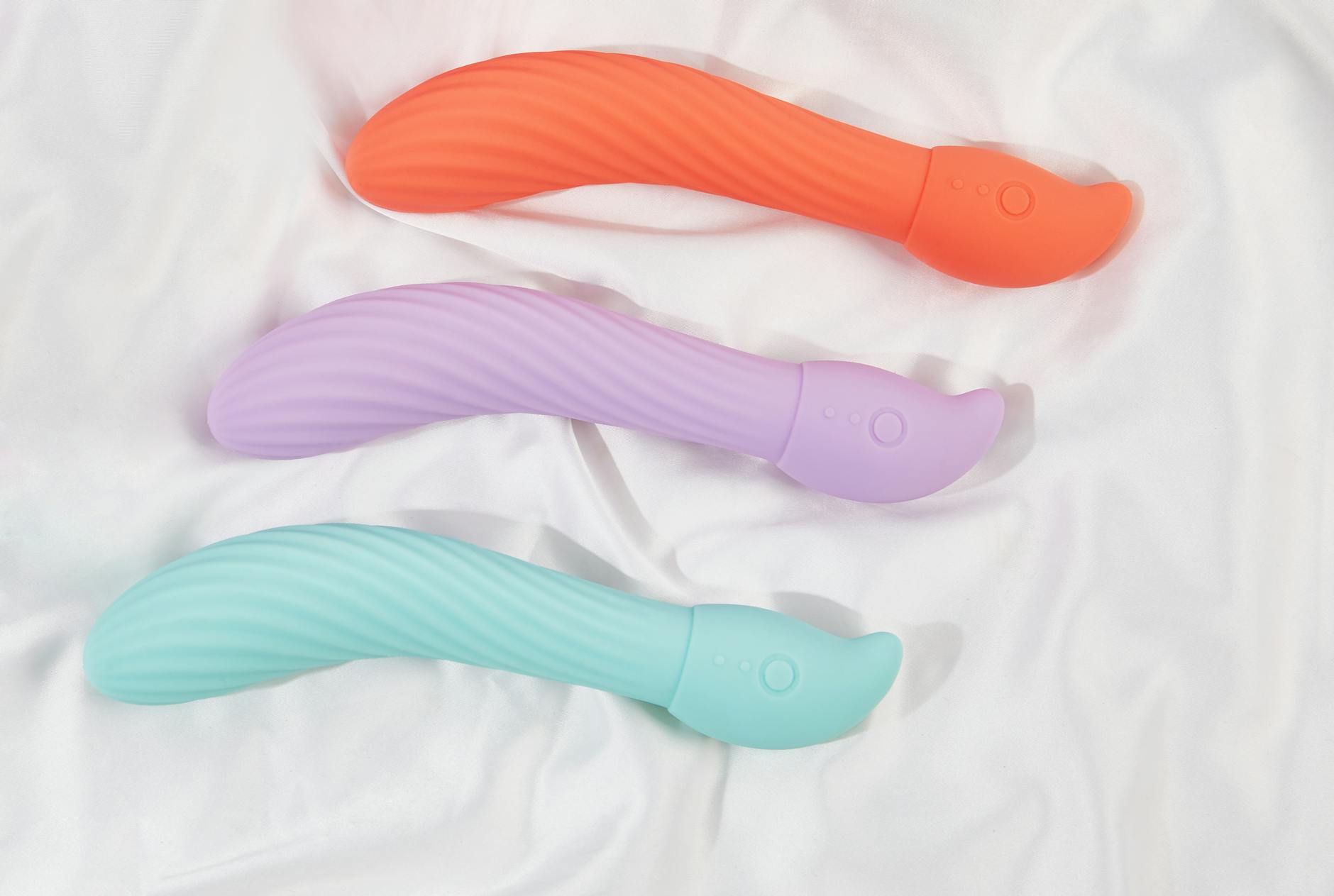
Let's be real about why lemon vibrators feel intense
If you've heard that the Lem or other clitoral vibrators pack a punch, you heard right. The suction sensation is fundamentally different from vibration. It's not stronger because of some magical technology. It's stronger because the mechanism itself targets nerves differently. Suction creates a seal that pulls gently on tissue, stimulating a broader nerve cluster at once. For some people, that's exactly what they need. For others, especially those with sensitive tissue, it can feel overwhelming on first contact.
Here's the thing: sensitive tissue doesn't disqualify you from pleasure. It just means you need a different entry point.
Understanding what "sensitive" actually means
When people say they have sensitive clitoral tissue, they usually mean one of three things. First, the area responds strongly to touch and pressure, sometimes uncomfortably so. Second, they experience irritation or rawness after stimulation. Third, they find that most toys feel too intense at any setting.
None of these mean you can't use lemon vibrators. They mean you need to respect your body's actual tolerance and build up from there. Think of it like introducing a new skincare ingredient. You don't go full strength on day one.
Tissue sensitivity often traces back to a few common factors: hormonal fluctuations, past discomfort during sex, anxiety about sensation, vulvovaginal conditions like lichen sclerosus or dermatitis, or simply having a higher nerve density in that area. The good news is that none of these are permanent barriers to enjoying suction toys. They're just information you use to customize your approach.
Start with the right mindset, not the right toy
Before you even touch the device, know this: you're not broken. You're not uptight. Your body is simply communicating its needs clearly. That's actually an advantage. People who pay attention to sensation are usually better at pleasure overall because they notice what works early.
The second mindset shift is this: intensity on setting one doesn't have to lead to intensity on setting four. You can spend weeks at patterns 1 or 2. There's no timeline. Many people find their favorite setting and never move beyond it. That's not failure. That's expertise.
The practical setup for sensitive tissue
Environment matters more than you'd think. Use the Lem in a space where you feel genuinely relaxed. Not the bedroom if the bedroom carries stress from your day. Not quickly before you need to do something else. Give yourself at least 20 minutes of cushion time to just exist.
Warm water beforehand helps. A bath or shower relaxes the pelvic floor muscles, which often stay clenched when someone is nervous about sensation. You'll also want to be freshly clean but not scrubbed raw. Skip the douche and scented products; they'll irritate you further.
Have water or a warm drink nearby. Hydration supports genital tissue health and sometimes reduces sensation intensity (dehydration makes everything feel sharper). Also keep a small towel within reach. Not because anything dramatic will happen, but because having it there removes the anxiety about needing it.
How to actually begin
Start without turning the device on at all. Hold the Lem, feel its weight and shape. Let your body register that this is just an object. Apply a small amount of water-based lubricant to the opening. Not inside, just around the exterior. The suction function works with or without lube, but lube reduces drag and makes the seal feel smoother rather than sticky.
When you're ready, gently press the opening against your clitoris. Don't activate anything yet. Just let the device sit there for 10 to 15 seconds. Your nervous system needs permission to relax into this. If it feels uncomfortable even without suction, back away. Try again in a few days.
Once that feels neutral or pleasant, turn the device to pattern one (usually the gentlest setting). The sensation should feel like a soft pulse or gentle squeeze, not a sharp pull. If it still feels too strong, you have two moves: reduce contact time to 5 seconds on, 10 seconds off, or remove the device entirely and try again later.
Many people find that their tolerance builds within two to three sessions. Your body adapts to new sensation faster than you think.
Technique adjustments that reduce overwhelm
Angle changes everything. The clitoris isn't a flat target. It has depth and curve. Experiment with positioning the device slightly off-center. Sometimes approaching from the side or at a slight angle softens the sensation without losing pleasure. Many people with sensitive tissue prefer this anyway. It distributes the suction differently and feels less concentrated.
Pressure variation also helps. You don't have to press the device firmly against your body. A light seal works fine and often feels less intense. The suction still engages; you're just using a softer touch. This is especially useful in the first few weeks as your body learns the sensation.
Timing is crucial. Use the device for shorter intervals when you're first starting out. Thirty seconds on, one minute off. Two minutes on, two minutes off. Build up from there. Longer sessions aren't better sessions, especially when you're still calibrating sensitivity. Quality over quantity.
When to use patterns and how to layer sensation
Most lemon clitoral vibrators have multiple patterns. Stick to pattern one or two until pattern one feels comfortably predictable. Only then move to pattern three. If three feels too much, that's your ceiling. You don't need every pattern. You need the pattern that works for you.
Once you're comfortable with a particular pattern, you can layer it with other sensations. Some people find that adding subtle internal stimulation from a finger reduces the intensity of external sensation. Others combine the Lem with penetration from a partner or a second toy. This divides your nervous system's attention and paradoxically makes the overall experience feel more controlled.
If you're using the clitoral vibrator with a partner, communication is everything. Tell them exactly what pattern you're on and what it feels like. "This one feels like a heartbeat" or "This one's starting to feel tingly" gives them real information. Ask them to notice if you're tensing up. Tension amplifies perceived intensity.
Reframing discomfort versus pain
There's a difference between "this feels like a lot" and "this is hurting me." Discomfort is often just unfamiliarity. It softens with exposure and patience. Pain should stop you immediately. If you experience sharp, burning, or pinching sensations, turn the device off and reassess in a few days.
Some people notice that the first few minutes feel slightly uncomfortable but then relax into pleasure. That's normal acclimation. Other people notice that discomfort increases over time or lingers afterward. That's a sign to scale back.
If you have a diagnosed vulvovaginal condition like vulvodynia or lichen sclerosus, chat with your gynecologist before using any new toy. They might recommend specific approaches or topical treatments that make sensation more manageable.
The role of lubrication and skin health
Water-based lubricant isn't just for comfort. It's for protection. A dry seal can create friction that feels sharp and irritating rather than pleasurable. But you don't need much. A pea-sized amount on and around the device opening is plenty.
If you notice irritation after using the lemon vibrator, it's usually one of three things. First, you're using the device too frequently too fast (solution: give yourself 48 hours between sessions). Second, the lubricant itself is irritating you (switch brands). Third, the suction seal is too tight or you're not letting your body adjust. Scale back and give your tissue a week of rest before trying again.
After use, clean the device per the manufacturer's guidelines and pat the genital area gently with a clean towel. Skip the douche or any cleaning products. Your body knows how to clean itself.
Why patience actually amplifies pleasure
Here's what happens when you respect your sensitivity and move slowly: your nervous system learns to trust the device. Trust creates relaxation. Relaxation creates better blood flow, more natural lubrication, and stronger orgasmic response. This is why people who ease in often report more intense pleasure after a few weeks than people who jumped into higher settings immediately.
You're not working against your sensitivity. You're working with it. Sensitive tissue can be incredibly responsive. It just needs the right introduction.
People also ask
How many times a week is safe to use a lemon vibrator if I have sensitive tissue?
Start with once or twice a week, spaced at least 48 hours apart. This gives your tissue time to recover and helps you notice any patterns of irritation. After a month, if everything feels good, you can increase frequency. Some people with sensitive tissue maintain that twice-weekly schedule long-term and find it works best for them. Listen to your body, not a schedule.
Can I use a lemon vibrator right after my period if I have sensitivity?
Yes, but be extra gentle. Immediately after menstruation, your clitoral tissue is often more sensitive due to hormone shifts. This is actually a good time to stick to pattern one or two even if you usually go higher. Wait until mid-cycle when your body feels more resilient. Some people find that their tolerance for intensity is best in the second half of their cycle.
Does using lube make the lemon suction less effective?
Not really. A small amount of water-based lube changes the feel of the seal slightly but doesn't eliminate the suction. Many people with sensitive tissue find that lube actually lets them enjoy the sensation longer because the experience feels smoother. Experiment and see what texture you prefer. There's no wrong answer.
Should I use numbing lube to make the sensation less intense?
I'd recommend avoiding numbing products, especially when you're first learning your body. They mask your body's actual signals. If something feels too intense with numbing lube, you won't know how to adjust or when to slow down. It's like putting on earplugs to enjoy a concert. You miss the feedback you need. Build tolerance naturally instead.
What if the lemon vibrator still feels too intense after four weeks?
Then it might not be the toy for you right now, and that's completely fine. Consider exploring other options like how lemon vibrators work with a tight pelvic floor to understand if the issue is the device or muscular tension. You might also try a gentler toy like the Berri while you build tolerance, or focus on why wand vibrators might feel better than suction for your specific body. Come back to the Lem in six months. Bodies change.
Can medication affect how sensitive the tissue is to vibrators?
Absolutely. Antihistamines, certain birth controls, and anxiety medications can all affect genital sensation and lubrication. So can high stress. If you notice your sensitivity changing dramatically, mention it to your doctor. It's not something you should just push through. Your body is communicating something.
You're not starting over, you're starting smarter
Sensitivity isn't a limitation. It's data. People who build a relationship with clitoral vibrators slowly often end up with more nuanced pleasure than those who jump into high settings immediately. You're learning your own nervous system. That knowledge transfers to everything else in your intimate life.
Give yourself grace during this learning phase. The goal isn't to prove you can handle intensity. The goal is to discover what actually feels good to you. Those are two different things.
If you're stuck or need personalized guidance, reach out to our team. We're here to help you find your fit.