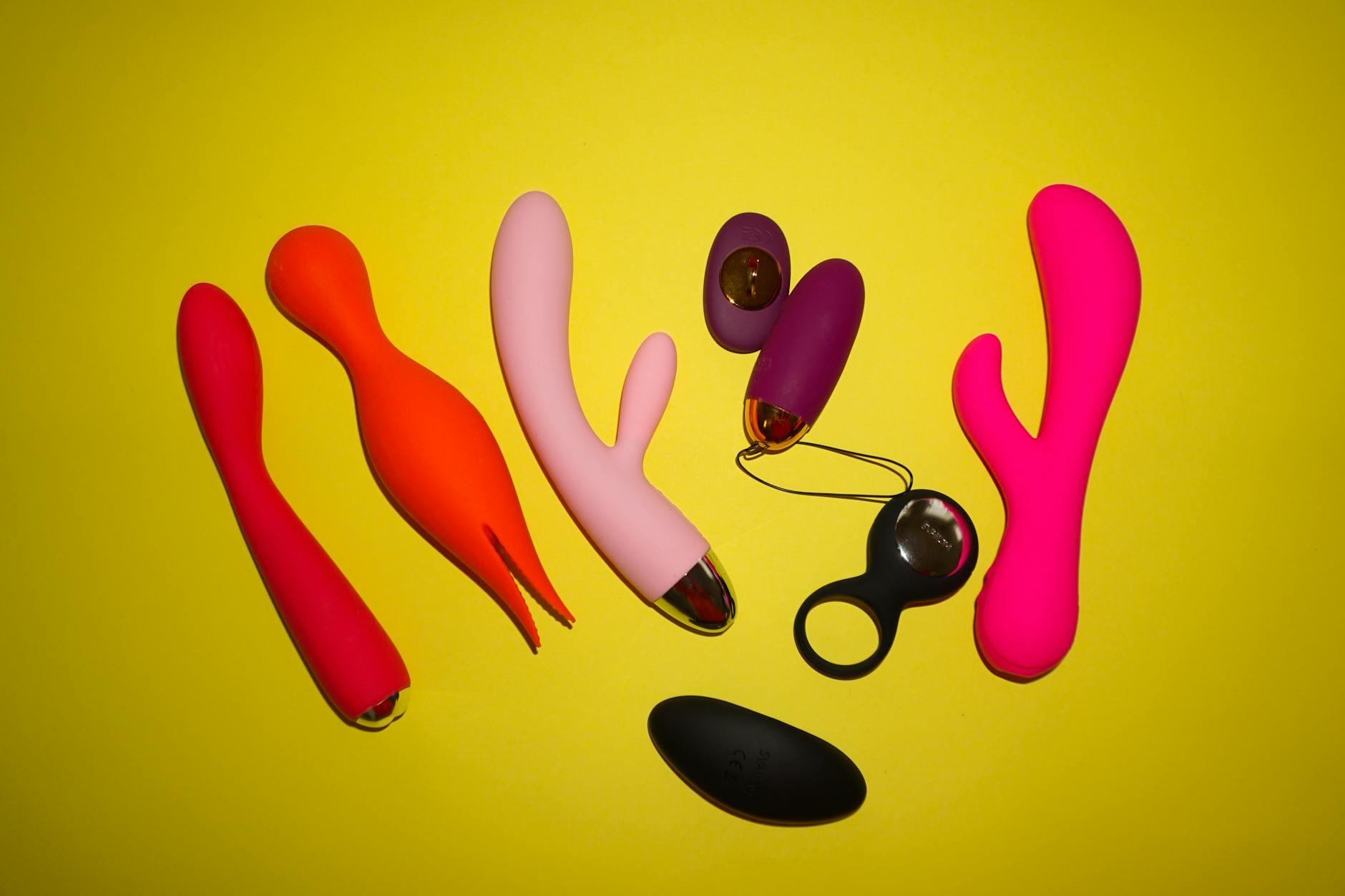
Using a Lemon Vibrator to Reconnect After Infidelity or Betrayal
The hardest part of healing isn't talking. It's touching.
Infidelity doesn't just damage trust. It damages the body's willingness to be vulnerable. After betrayal, sex becomes a minefield of uncertainty. You're carrying shame that isn't yours to carry. Your partner is carrying guilt. Neither of you knows how to touch the other without the whole thing feeling like stepping on broken glass.
Here's what I tell couples in my practice: you don't heal infidelity by having better sex. You heal it by reclaiming the right to have any sex at all.
That's where lemon vibrators come in. Not as a fix. Not as a shortcut. But as a tool that helps couples step sideways out of the conversation in their heads and back into their bodies together.
Why physical reconnection feels so hard after betrayal
When trust breaks, the nervous system stays on high alert. Your body doesn't believe it's safe to let go. The betrayed partner often experiences touch as a trigger. The unfaithful partner often feels so much shame that initiating sex feels impossible or cruel. Both people end up waiting for the other to move first, which means nobody moves at all.
This isn't laziness or lack of love. It's trauma.
The brain can forgive. The body takes longer. Physical pleasure requires the nervous system to downshift from "threat" to "safety." After infidelity, your body is running on a older map of trust that no longer works. Rebuilding that map means literally rewiring the neural pathways between touch and safety.
What lemon clitoral vibrators do differently in this context
Lemon vibrators, particularly the Lem's suction-based design, shift the dynamic in three important ways.
First, they depersonalize the pressure to perform. When you're using a device, there's no eye contact demand. No "am I doing this right" energy. No performance anxiety. The focus narrows from "are we doing this correctly as a couple" to "does this feel good in my body right now." That shift is massive.
Second, they create distance from the site of shame. For many couples, intercourse is where the infidelity happened (or where it's imagined). Lemon vibrators, especially ones designed for clitoral stimulation, allow the betrayed partner to experience pleasure that exists outside the frame of that betrayal. The pleasure is theirs. It's not tied to penetration or the specific acts that triggered the breach of trust.
Third, they create a permission structure. A device says, "we're doing this intentionally and together, but with support." It's different from solo sex (which can feel isolating after betrayal). It's also different from the couples sex that shattered. It's a third way.
Building physical trust again: a step-by-step framework
This isn't about having an orgasm. That's not the goal. The goal is to prove to your body that touch can feel good again.
Phase 1: Separate exploration (week 1-2).
Before you use a lemon clitoral vibrator together, each person explores it alone. Not as a prelude to couple sex. As a genuine reconnection with their own pleasure. The betrayed partner gets to experience pleasure that's untouched by the other person's presence. The unfaithful partner gets to sit with discomfort without rushing to fix it.
This matters because it separates "my pleasure" from "our pleasure." After betrayal, these get entangled. You stop knowing what you actually want versus what you think you should want or what you think will heal things faster.
Phase 2: Parallel presence (week 3-4).
You're in the same room. Not touching. Each person uses a lemon vibrator or explores their own body while the other is present but not involved. You're not watching each other's reactions. You're just... there. Breathing. In the same space. Doing something that feels good.
This teaches your nervous system that your partner's presence doesn't have to mean threat. It can mean safety. It takes time to believe that.
Phase 3: Touch, but not penetration (week 5-6).
Now you're touching each other. Maybe one person is using the Lem while their partner touches their back, their hair, their arm. Not to escalate. Just to be present. To offer physical affection that's not performative.
The device does the heavy lifting of pleasure, which gives both people permission to feel something besides guilt or shame.
Phase 4: Integration, if ready (week 7+).
Only when both people feel genuinely safe does couple sex happen again. And even then, it might look different. The lemon vibrator might stay in the picture as a reminder that pleasure can be collaborative without being identical. How to Use a Lemon Vibrator for Better Orgasms With a Partner explores this in depth.
The conversation you need to have before you even buy a device
Let's be direct: using a lemon vibrator won't fix infidelity. But it can help you move forward.
Before you introduce any device, talk about what you're actually hoping it will do. Is it to rebuild physical trust? To create novelty so you both feel excited again? To take pressure off the person who's struggling to want sex right now?
These are different goals, and they matter. If you're using the vibrator to avoid the real emotional work, it won't help. If you're using it to rebuild something concrete, it can.
Also talk about what happens if it doesn't work. If the betrayed partner still feels triggered. If the unfaithful partner can't relax because they're carrying too much shame. You need to know that's not failure. That's information. That means you might need a couples therapist alongside the vibrator, not instead of one.
Shame is the enemy. The device is the tool.
Here's the thing no one tells you about healing from infidelity: shame is the glue that keeps you stuck. The betrayed partner carries the shame of not being enough. The unfaithful partner carries the shame of their choice. You both end up frozen because shame is paralyzing.
A lemon sucker like the Lem can't fix shame. But it can create moments where shame isn't in the room. Where pleasure is. Where your body believes that touch can feel good again, regardless of what happened before.
Those moments compound. Slowly, the nervous system updates. Touch stops meaning threat. It starts meaning connection again.
When to involve a professional
If you're using a lemon clitoral vibrator and one person consistently experiences pain, numbness, or panic, you need more than a device. Talk to a therapist trained in trauma or a medical provider. Why Your Lemon Vibrator Isn't Working if You Have Pelvic Floor Tension covers the physical side, but the emotional side needs professional support.
Also, if six to eight weeks into this framework neither person is feeling any shift in physical safety, that's a signal that couples therapy should come first. The vibrator works best when there's some baseline willingness to move forward. If that willingness isn't there, the device becomes another source of pressure.
Real talk on timing
Don't expect to use a lemon vibrator successfully two weeks after the infidelity comes to light. Your nervous system needs time to downshift. That might take three months. It might take a year. Healing infidelity isn't fast, and the body's timeline is slower than the mind's.
But if you're both committed to moving past this, a lemon vibrator can be part of that journey. Not the journey. Part of it.
Your relationship will either be broken or rebuilt. But it won't be the same as it was before, and it shouldn't be. The couples that do best after infidelity aren't the ones who pretend it didn't happen. They're the ones who rebuild something stronger, with more honesty and more intention.
A lemon vibrator won't get you there. But it can help you move toward there, together.
People also ask
Can using a lemon vibrator together help rebuild trust after infidelity?
Yes, if both people approach it thoughtfully. Lemon vibrators can help shift the dynamic from shame-based to pleasure-based, which creates space for trust to rebuild. But the vibrator itself isn't fixing the trust. The decision to move forward together is. The device is just a tool that helps your nervous system believe that touch can be safe again.
How long after infidelity should we wait before using a lemon clitoral vibrator together?
There's no universal timeline, but most couples benefit from waiting at least 4-6 weeks after the infidelity comes to light. That gives space for the initial crisis to settle and the harder conversations to happen. If you try to use a vibrator while you're still in acute shock or rage, it won't work. Your body will resist. Wait until there's at least a glimmer of "we might survive this together."
What if the betrayed partner feels triggered by lemon vibrators or any sexual device?
Stop. Triggering isn't a sign to push forward. It's a sign you need professional support. A couples therapist or sex therapist trained in trauma can help you understand what's being triggered and work through it safely. Vibrators aren't required for healing infidelity. Honesty and professional support are.
Can a lemon sucker help if my partner has shame about the infidelity and doesn't want sex?
Partially. The vibrator can help lower the pressure to perform, which sometimes helps shame ease. But shame this deep usually needs more than a device. It needs the unfaithful partner to do their own work around why they made the choice they made, and to genuinely own it. If your partner is avoiding that work, the lemon vibrator won't fix that.
Is it weird to use a lemon vibrator after infidelity if the affair involved specific sexual acts?
Not weird at all. In fact, many couples find it helpful to deliberately use the vibrator in a way that's different from the infidelity. It's a way of reclaiming your sexuality together and saying, "this is ours. It's not about what happened before. It's about what we're building now."
Should we tell our therapist we're using a lemon clitoral vibrator as part of healing?
Yes, if you have one. A good couples therapist will want to know how you're rebuilding physical intimacy. They can offer guidance on pacing, on what to watch for, on how to communicate about it. If your therapist reacts negatively to this, that's a sign you might need a different therapist.
Moving forward
Heal infidelity isn't about returning to what was. It's about building what's next, with more honesty and more presence. A lemon vibrator can be part of that. But the real work is in the conversation, the commitment, and the willingness to touch each other again despite everything that broke.
If you're ready to take that step, Hello Nancy is here. Start with How to Introduce Lemon Vibrators to Your Partner Without Awkwardness if you need language for the conversation. Or reach out to /contact if you want guidance tailored to your specific situation.
Your pleasure matters. Your trust matters. And rebuilding both is possible.